Top Health Benefits of Aloe Vera Gel for Your Daily Wellness
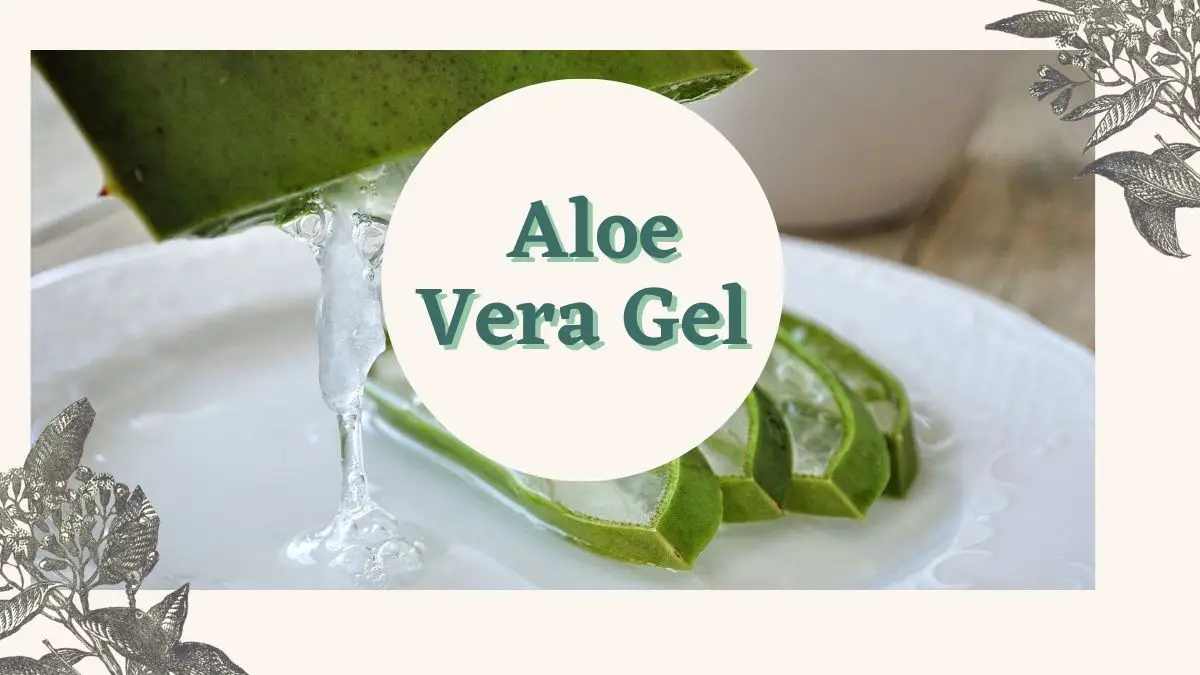
I remember exactly when aloe vera stopped being just a curious plant on my windowsill and turned into a trusted part of my health routine. It was after a brutal three-day hiking trip under the blazing summer sun. My skin wasn’t just sunburned—it felt raw, tight, and painfully hot. I tried regular lotions, but they just made my skin feel greasy and uncomfortable. Then I reached for a fresh aloe leaf I’d grabbed on a whim before the trip. The relief was almost immediate. Within 24 hours, that unbearable tightness started to fade, and surprisingly, I skipped the usual itchy, flaky phase that follows sunburns. That moment didn’t just soothe me physically—it sparked my curiosity about how exactly aloe vera gel works with our bodies. For a more detailed understanding, you might want to check out this comprehensive guide to the aloe vera plant.

Aloe Vera Gel: More Than Just Moisture
You might think aloe’s benefits come simply from its cooling and hydrating effects—and sure, that’s part of it. But what really fascinates me is how aloe interacts with your skin and immune system on a deeper level, signaling safety and healing rather than just providing surface relief.
When your skin is damaged—like sunburn or a scrape—it sets off an internal alarm. Cells release inflammatory chemicals that cause redness, heat, and sensitivity. Aloe vera gel contains polysaccharides and antioxidants (like vitamins A, C, and E) that don’t just hydrate; they send calming biochemical signals that turn down this inflammatory alarm.
Here’s the kicker: applying aloe creates a sensory environment—coolness plus moisture—that your brain reads as “relief” and “safe to heal.” This reduces stress hormones locally in your skin and speeds up cell regeneration. It’s not magic; it’s your nervous system responding to positive feedback.
For example, once I had an irritated scrape on my elbow that typically itched nonstop for days. Applying fresh aloe gel twice daily calmed the redness within 48 hours and—crucially—the itchiness nearly vanished. Because the cool wetness felt soothing, I didn’t scratch it as much—a small behavior change that hugely helps wounds heal faster. If you’re interested in growing your own aloe for fresh gel, learning how to propagate aloe vera plants can be a rewarding start.
Aloe’s Anti-Inflammatory Effect Feels Different — And That Matters
Unlike typical anti-inflammatory creams that numb or mask pain, aloe vera works gently to modulate inflammation without shutting down natural healing processes. Its compounds called gibberellins and auxins act more like messengers encouraging repair rather than blockers suppressing symptoms.
After one tough squat workout left my knees swollen and sore, I massaged aloe gel onto them daily—not expecting pain relief like ibuprofen cream but hoping for some soothing effect. Over about a week, swelling visibly reduced and mobility improved noticeably.
This difference matters psychologically too: you feel like you’re actively helping your body recover instead of passively masking pain. That sense of control can boost motivation to keep up treatments—and improve overall wellbeing.
Healing Wounds Faster: Aloe Does More Than Hydrate
Yes, keeping wounds moist is important for healing—but aloe vera goes beyond that by promoting collagen synthesis. Collagen is like scaffolding for new tissue growth; however, stress signals at injury sites slow down collagen production.
Thanks to its antioxidants reducing local oxidative stress, aloe creates an ideal environment for fibroblasts (cells responsible for collagen) to work efficiently. Clinical studies back this up: minor burn patients using aloe healed about 9 days faster than those treated with standard methods—not only quicker but with better scar quality.
A friend who works in graphic design suffered repeated minor kitchen burns at home. After switching to fresh aloe gel twice daily instead of antibiotic ointments she’d used before, she noticed less pain during healing and significantly reduced scarring within two weeks.
Can Aloe Vera Gel Help With Acne or Oily Skin?
Contrary to what some believe—that gels clog pores or worsen acne—aloe vera actually hydrates while mildly reducing acne-causing bacteria thanks to its antimicrobial properties.
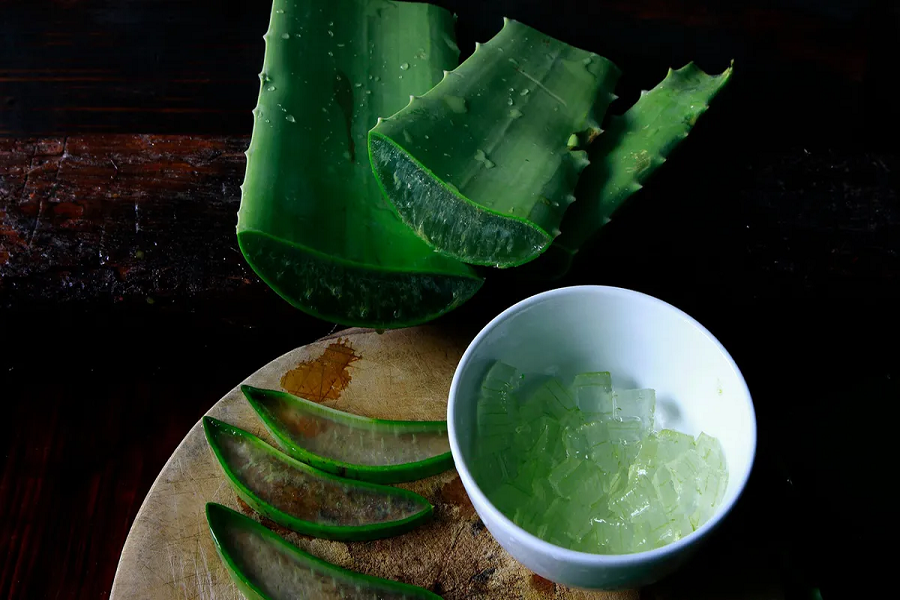
When I struggled with combination skin (dry patches alongside oily areas), I applied fresh aloe gel every morning for about three weeks. The key? Patience. Improvements didn’t happen overnight but gradually as my skin barrier balanced moisture without overproducing oils or breaking out.
Remember though: always patch test first! The latex near aloe leaves’ edges can irritate sensitive skin (happened to me early on). “Natural” doesn’t always mean gentle for everyone.
Drinking Aloe Juice: Use Caution But It Can Help Digestion
Drinking aloe juice is where many people get tripped up because of the plant’s chemistry. Beneath the leaf’s green skin lies a yellow latex layer packed with strong laxatives—which can cause cramping or diarrhea if consumed too much.
I started by sipping 1-2 tablespoons of decolorized pure aloe juice diluted in water each morning for one month—carefully sourced from products free of latex impurities. The result? More regular digestion with less bloating—and no stomach discomfort.
The trick here is slow introduction to build tolerance; gulping large amounts suddenly often triggers cramps and builds negative associations with aloe internally instead of benefits. Acemannan—a key polysaccharide in aloe—is linked to repairing the gut lining but needs gentle dosing to work well.
Common Challenges & How I Navigated Them
- Irritation after use: Early commercial gels stuffed with additives gave me redness until I switched exclusively to freshly extracted gel from my own plants.
- Sticky residue: Many store-bought gels felt thick or sticky; fresh gel absorbed quickly without leaving a film.
- Unrealistic expectations: Expecting aloe to cure chronic eczema led to frustration; it helped mild flare-ups but isn’t a replacement for prescribed meds.
- Digestive upset: Once I overdid the juice intake—cramps hit hard; scaling back fixed this immediately.
Quick Start Guide: How To Get The Most From Aloe Vera Gel
- Use fresh gel if possible — slice open an aloe leaf near the base, scoop out clear gel inside.
- Apply twice daily on affected areas (sunburns, scrapes, dry patches).
- Patch test before full use — apply a small amount behind your ear or inner arm; wait 24 hours.
- Be patient — noticeable improvements often take at least 1-3 weeks.
- For digestion: start with 1 tablespoon diluted in water each morning; watch how your body reacts before adjusting.
- Avoid commercial gels with added chemicals when possible—they often cause irritation or poor absorption.
- Don’t expect miracles overnight — consistent care helps your body do what it does best: heal itself.
Final Thoughts
What I’ve come to appreciate most about aloe vera isn’t just its ingredients—it’s how it harmonizes with your body’s natural rhythms of healing: signaling safety through hydration, gently dialing down inflammation without shutting things off completely, supporting balance with mild antimicrobial action—all while encouraging mindful care rather than quick fixes.
If you treat it like just another trendy product chasing instant results—you’ll likely be disappointed (and maybe irritated). But if you commit to consistent use paired with patience—and listen closely to how your body reacts—you’ll find aloe vera becoming not just a remedy but a partner in your health journey.
Imagine three weeks from now noticing rough patches smoothing out or minor cuts closing quicker—not because you piled on harsh chemicals but because you tuned into what your body truly needs and let this simple plant extract guide its own intelligence toward healing.
Ready? Grab an aloe leaf today—your skin (and gut) will quietly thank you far beyond words can capture.
If you want more tips or have questions about specific uses—just ask! Sometimes these plants seem simple until we dig into their quirks together.


