Ideal Soil and Fertilizer for Healthy African Violet Growth

When I brought my first African violet home, I was smitten by its soft, fuzzy leaves and those tiny, jewel-like flowers. But within weeks, my excitement turned to confusion—droopy leaves, browned edges, and barely any blooms. I was watering exactly how every guide told me to, so what was going wrong? For a comprehensive guide to African violet plant care, check out the detailed tips that helped me understand these delicate plants better.
After many failed attempts (and a little frustration), I realized it wasn’t just about watering or light—it was the soil and fertilizer combo that was tripping me up. Most advice out there overcomplicates things or misses key details. Here’s what actually worked for me—a simple soil mix and a gentle feeding routine that turned my sad little plant into a thriving beauty.
The Soil Mix That Made All the Difference
“Use well-draining soil” is the usual advice. But what does that really mean? I started with a store-bought African violet mix that looked perfect: dark, loose, rich. Yet my violet’s roots stayed soggy and unhappy.
My game-changer? Mixing my own soil: equal parts peat moss, vermiculite, and perlite by volume. Not just eyeballing—measuring cups every time keeps it consistent.
- Peat moss holds moisture gently without turning swampy (which helps prevent root rot).
- Vermiculite keeps nutrients close while letting air flow around roots.
- Perlite looks like tiny white bubbles—light and airy—keeping the soil loose so roots don’t suffocate.
The first batch felt strange—like baking a cake for plants! But once potted in this mix, my violet’s roots never sat wet too long nor dried out too fast. Within six weeks, the leaves went from dull to that velvety deep green you dream of.
One mistake I made early on: adding sand because I read it somewhere. Big nope! Sand sunk to the bottom and packed tight over time, suffocating roots instead of helping drainage. Perlite stays fluffy for months—it’s worth the tiny extra cost.
Fertilizer: Why Less Really Is More
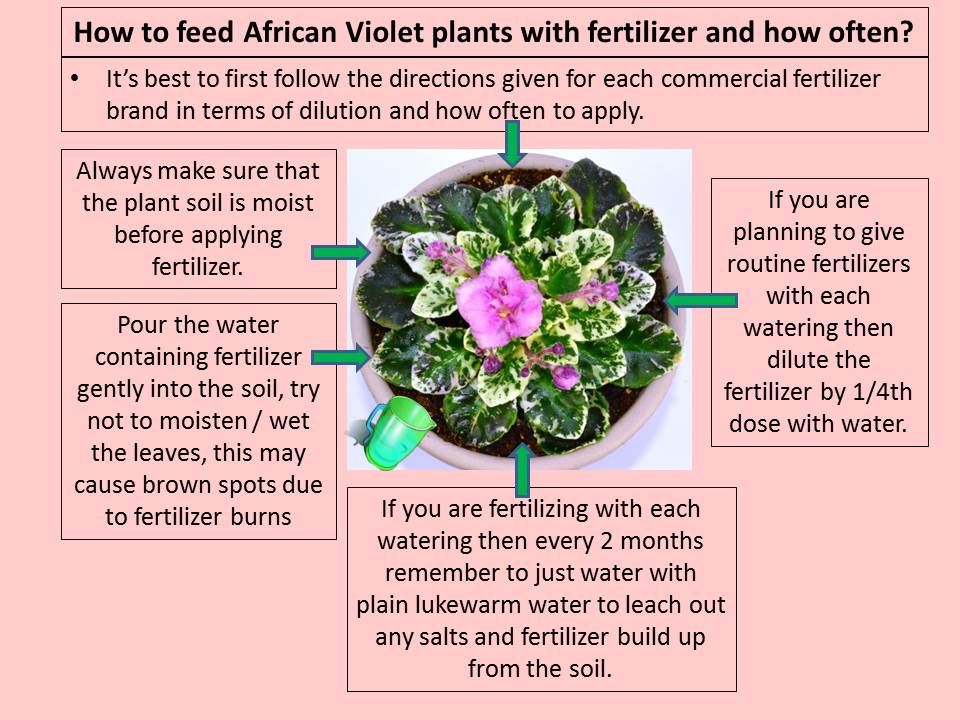
Here’s where I got it wrong at first—I thought more fertilizer meant happier plants. Spoiler: African violets are delicate and hate heavy “feeding.”
I used a standard all-purpose fertilizer every couple of weeks, hoping to boost growth—but instead got brown leaf edges and twisted new leaves. After some trial and error (and some heartbreak), I switched to a 14-12-14 NPK water-soluble fertilizer made specifically for African violets, but diluted it to half the recommended strength.
For example: if the label said 1 teaspoon per gallon of water, I’d use just half a teaspoon.
Why? Because these little guys thrive on mild but steady feeding every 4 to 6 weeks—not shock doses that stress their tiny root systems.
After about two months of this gentler routine? Blooms popped nonstop; leaves turned thick and lush green—the kind you see in glossy magazines.
What Really Worked for Me
About six months ago, frustrated with slow growth, I repotted my violet into fresh homemade soil after noticing its old nursery soil had compacted badly over a year. Within three weeks of fresh soil and starting gentle fertilizing every five weeks… boom! Flowers everywhere like someone hit an “on” switch. For a complete overview of African violet plant care, including repotting tips and feeding schedules, this resource was invaluable.
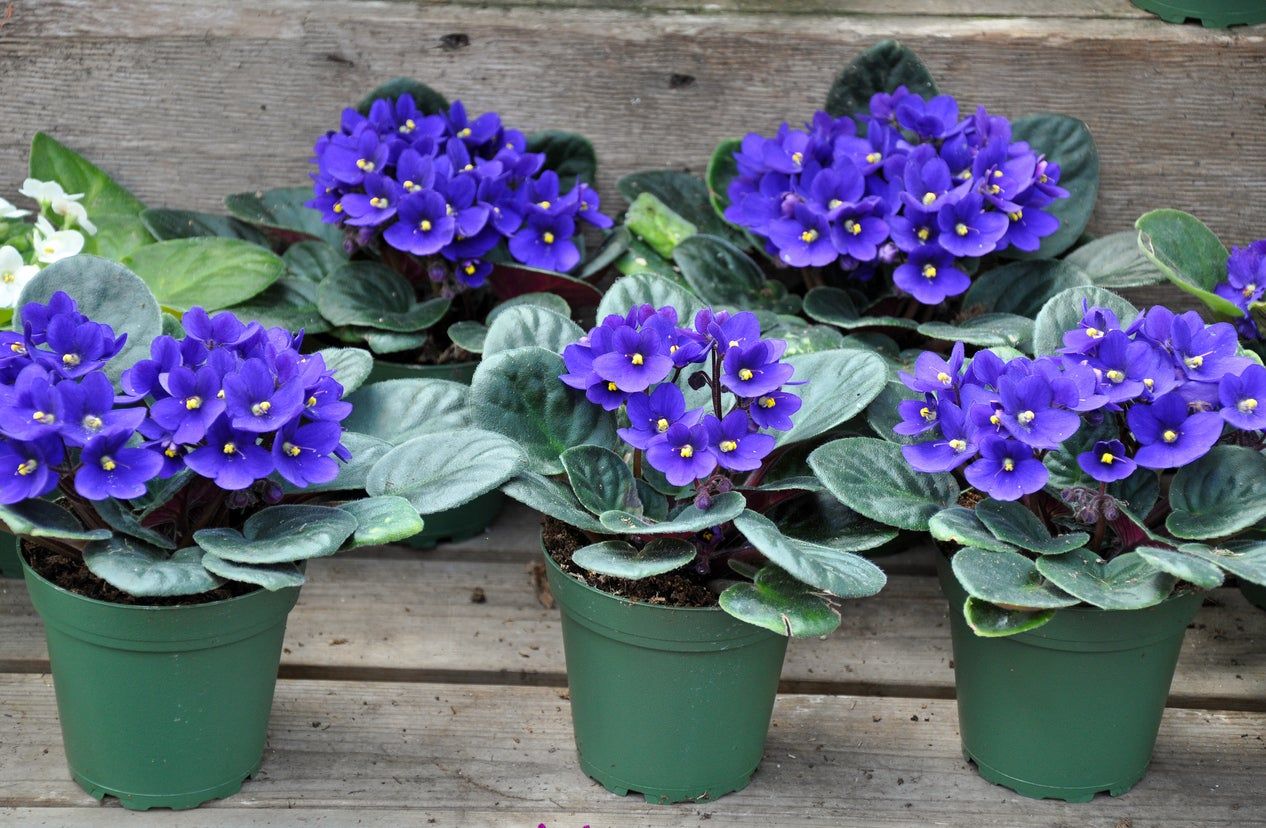
My neighbor joked about whether I’d hired a gardener—which felt great since just months before the plant looked near death!
A tip: always repot at least once a year. Old soil compacts, kills drainage—and no amount of fertilizer fixes roots drowning in soggy dirt.
Oh—and make sure your pot has drainage holes! If water pools at the bottom or in saucers for hours, your efforts won’t matter much.
Troubleshooting Quick Fixes
- Soil stays soggy forever? Check your pot’s drainage holes first. Try adding more perlite or slightly less peat moss next time.
- Leaves look pale or yellowish? Could be nutrient lockout from compacted soil or underfeeding. For help with leaf discoloration, see troubleshooting yellow leaves and wilting in African violets.
- Leaf edges turn brown and crispy? You’re likely over-fertilizing—cut back dose or space out feedings.
- No flowers but healthy leaves? Try boosting phosphorus slightly with a fertilizer higher in the middle number—or if you’re feeling adventurous—a pinch of bone meal can help.
What I'd Tell Someone Just Starting Out
Forget complicated “secret” recipes or expensive store mixes promising miracles that often disappoint. Get small bags of peat moss, vermiculite, and perlite from your garden center—mix equal parts yourself in any clean container—and repot yearly.
Feed every 4–6 weeks with half-strength 14-12-14 fertilizer made for African violets—and watch your plant go from limp despair to vibrant life right on your windowsill.
Quick Start Checklist
- Measure 1 cup each peat moss / vermiculite / perlite — mix well in a clean bucket
- Repot if your violet hasn’t had fresh soil in over 12 months
- Use water-soluble African violet fertilizer at half-strength
- Feed gently every 4–6 weeks during active growth
- Make sure pots have good drainage holes; avoid saucers that trap water long-term
- Watch leaves closely; adjust feeding if edges brown or blooms stall after two months
A Little Confession
I won’t lie—the first few tries were messy and frustrating (hello compacted dirt disasters). But once I focused on this straightforward soil-fertilizer combo tailored by experience—not guesswork—the magic happened.
Now when I peek at those velvet-green leaves and jewel-like flowers each morning, it feels like growing a bit of joy right at home.
Trust me: with patience and this simple recipe in hand, you’ll get there too—even if your first attempts aren’t perfect (mine weren’t!).
Ready to give it a try? Grab those three simple ingredients today—you might just surprise yourself with how quickly your African violet bounces back to life! For tips on ensuring your plant gets the right amount of light, check out our guide on lighting requirements for healthy African violet plants.


