Ideal Soil and Watering Tips to Make Your Aloe Thrive Fast

When I first got my aloe plant, I treated it like any other houseplant—watering a little every week. Big mistake. Within days, the leaves turned mushy and brown. I swear, I felt like I’d managed to kill a desert survivor with kindness. What really helped wasn’t just reading about aloe care but unlearning the “water on schedule” habit and tuning into what my plant was actually telling me. If you’re new to aloe, I recommend starting with this comprehensive guide to aloe plant care to understand the basics before diving into these specific tips.
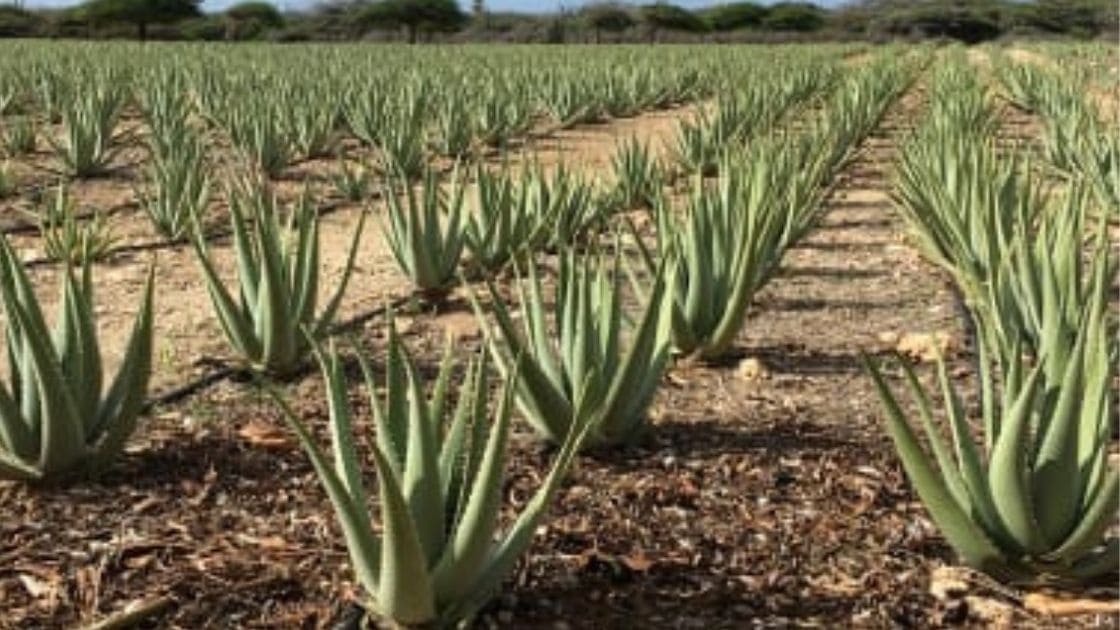
Here’s the thing most guides miss: aloe plants don’t just need well-draining soil—they need soil that behaves like a desert floor, drying out properly between waterings. Plus, you have to learn to read your plant’s subtle signals rather than following rigid watering calendars.
Let me walk you through what saved my aloe—and might save yours too.
Soil Matters More Than You Think (And Not All “Succulent Mixes” Are Equal)
Everyone says “buy cactus or succulent soil.” But here’s what I found after trying three different brands (local nurseries and Amazon): half of them held moisture way longer than they should. One mix stayed damp for five days after watering—that’s practically a swamp for an aloe.
What you want is a gritty mix that dries fast and doesn’t compact or hold water in clumps. Look for ingredients like coarse sand or pumice as main parts—not peat moss or bark fines which stay wet longer.
If you want to DIY, here’s my go-to recipe that mimics a desert floor perfectly:
- 2 parts standard potting soil (I use FoxFarm Ocean Forest—it’s airy but still nutritious)
- 1 part builder’s sand (the gritty kind used in cement work; don’t confuse this with play sand)
- 1 part pumice (a volcanic rock that’s heavier and more stable than perlite; it keeps soil loose without floating up)
When you squeeze this mix, it should crumble easily, and within 24 hours of watering, it feels mostly dry on top.
Watering: It’s Not Just “Deep Every Few Weeks” — It’s About When
The classic advice goes: water deeply every 3 weeks and let the soil dry out completely. Sounds simple, right? But here’s where things get tricky: “dry” isn’t one-size-fits-all.
In my first month of following that schedule exactly, my aloe leaves looked shriveled between waterings—I panicked and watered early... only to end up drowning it.
What finally clicked was using a moisture meter (I recommend the affordable AccuPet model) to check soil two inches down before watering. In my humid home, sometimes the soil took 4–5 weeks to dry fully; other times—like when AC was blasting all summer—it dried in just 2 weeks.
So instead of sticking to a calendar, I learned to wait until the soil was truly dry at root level before watering again—and to check leaf firmness as an extra clue (more on that soon). For a complete overview of aloe plant care, including watering tips and more, be sure to check out that guide.
Pots: Terracotta Isn’t Always the Answer
Everyone says terracotta pots are best because they “breathe.” But here’s my experience: terracotta wicked moisture away so fast during dry winter air that my aloe nearly desiccated despite regular watering.
Switching to plastic pots with good drainage holes plus using my gritty DIY mix helped balance moisture better indoors during winter months. I simply watered slightly more often then, and the leaves stayed plump year-round!

So don’t grab terracotta automatically—think about your local indoor climate and humidity levels first.
Reading Your Aloe’s Signals (It Takes Practice—Don’t Worry!)
Signs of over-watering are pretty clear once you know them: mushy leaves, brownish base near the stem, or sour-smelling soil. Under-watering shows up as thin, crispy leaf tips and overall leaf shrinkage.
But here’s where beginners slip up: aloes naturally wrinkle their leaves a bit during dormancy—this can look scary but isn’t always a sign of dehydration.
My checklist for deciding when to water now looks like this:
- Stick your finger about 2 inches into the soil—if it feels dry, time to water.
- Feel the leaves—they should be firm but slightly bendable.
- Use a moisture meter if you’re unsure.
- Adjust watering intervals by season (winter means longer waits; summer may need shorter gaps).
For example, last winter when indoor temps dropped below 60°F, I stretched watering out to every 6 weeks while watching leaf firmness closely. If you want to learn more about common issues that can affect your aloe’s health, including how to spot pests and diseases, check out common pests and diseases that affect aloe plants.
Fertilizing? Keep It Simple or Skip It
I once fed my aloe monthly with half-strength balanced fertilizer (20-20-20). Result? Burned leaf tips and slow growth—not what I expected at all.
Now I fertilize just twice per growing season—with quarter-strength liquid fertilizer or worm tea once every 8 weeks max. Aloe does best left mostly alone nutritionally if planted in decent soil.
Here’s How My Aloe Went From Sad to Spectacular
After months of killing aloes with kindness—and learning from mistakes—switching to this exact soil mix plus tuning into real dryness signals changed everything:
- Leaves went from soft brown mush back to vibrant green plumpness.
- Roots stayed white and firm when repotted.
- Growth noticeably sped up after two months on this routine.
- Even after skipping watering for a whole week-long trip at month three—no damage!
It really felt like unlocking a secret language between me and my aloe—a connection no generic guide ever gave me. If you’re interested in expanding your aloe collection or learning about different varieties, you might enjoy reading about the different types of aloe plants and their uses.
Quick Takeaway Checklist for Your Aloe Care
- Use gritty soil with coarse sand + pumice—not just any succulent mix.
- Skip fixed schedules; check moisture two inches deep before watering.
- Choose pot type based on your climate—terracotta isn’t always best.
- Water deeply but only when soil is truly dry; watch leaf feel too.
- Fertilize sparingly—twice per growing season max at quarter strength.
- Watch your plant daily; firm + plump = happy aloe!
Aloe may seem tough because it survives deserts—but it has surprisingly specific needs indoors. The trick is patience and paying attention over time rather than blindly following rules.
You’ll mess up sometimes (me too!), but learning from those moments is how you grow confident—and get those beautiful green victories we all want from our plants! So stick with it—you’re not alone in this journey. Your aloe will thank you with every new plump leaf that springs back to life.


