Landscaping Ideas Using Adams Needle Plants for Stunning Yards
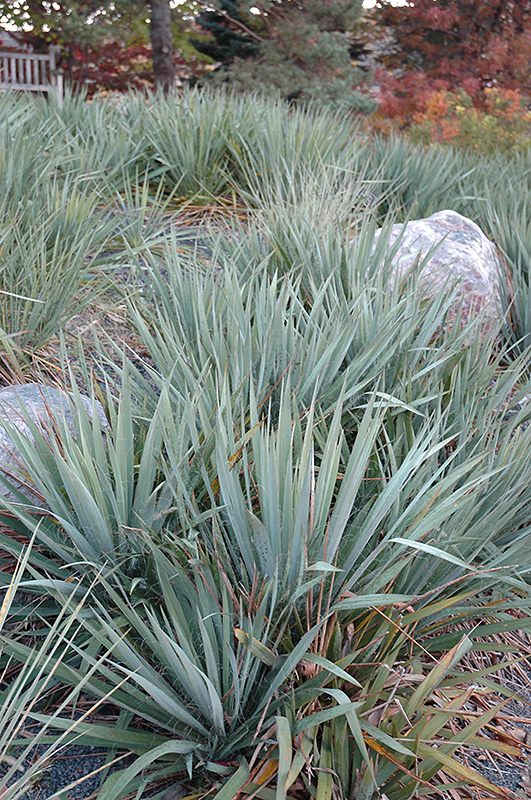
Watching Adams Needle (Yucca filamentosa) in my garden taught me something surprising—not just about plants, but about how we humans see and feel space. At first, I just tossed one into a corner like any other plant, expecting it to quietly fill the spot. Instead, its sharp, sword-like leaves shouted for attention. It wasn’t just about watering or soil conditions; it was about how our brains react to bold shapes and contrasts in a landscape. For those new to this plant, you might find this comprehensive guide to Adams Needle plant care a helpful resource to get started.

If you’re new to planting Adams Needle, here’s what I’ve learned (sometimes the hard way) to help you make the most of this striking yet tricky plant.
Why Adams Needle Needs Room to Breathe
Think of an Adams Needle as a mini skyscraper in your garden. Its tall, spiky leaves don’t blend easily with soft flowers or rounded shrubs—they demand space or else they lose their impact (or worse, look out of place). When I first planted one in a crowded flower bed, it felt like an awkward guest—too stiff and sharp next to gentle petals. My instinct was to hide it or cram more plants around it, but both made things worse: either the yucca faded into the background or the bed turned chaotic.
So here’s a quick rule of thumb: Give each Adams Needle at least 2-3 feet of clear space around it. This lets its architectural form stand out and creates a natural focal point that your eyes can rest on instead of getting overwhelmed.
For a more detailed look at how to care for this unique plant, check out the complete overview of Adams Needle plant care.
Four Easy Landscaping Ideas Using Adams Needle
-
Create Vertical Clusters with Space
Try planting 3-5 yuccas about 2-3 feet apart along one edge of a rock garden or xeriscape bed. In my experience, this spacing keeps each plant distinct but also creates rhythm—a kind of natural “beat” your eyes follow. Use neutral gravel like blue-gray crushed stone as a backdrop and add low-growing succulents or aloe nearby for texture without stealing focus. -
Use Yuccas to Frame Pathways or Entrances
Place two or three Adams Needles on either side of a driveway entrance or garden path, spaced about 3 feet apart so their leaves slightly lean inward. I’ve seen how this subtly guides visitors along—like natural signposts pointing the way without fences or gates. It’s simple but effective because humans naturally follow lines and edges in outdoor spaces. -
Pair with Soft Grasses for Balance
Avoid pairing these sharp plants with thirsty perennials that don’t share their drought tolerance—that’s asking for trouble! Instead, mix yuccas with soft-textured, drought-friendly grasses like Blue Fescue (Festuca glauca). The feathery grass blades soften the yucca’s rigid spikes without blurring its shape—a combo that feels lively but calm at once. -
Go Vertical in Containers for Small Spaces
If you have limited room like a patio or balcony (mine is just about 200 square feet), plant single Adams Needles in large pots spaced around different corners or levels. Layering pots at varying heights creates mini sculptures that draw the eye up without crowding sideways—perfect if you want drama but need flexibility.
Quick Tips That Save You Time and Headaches
- Don’t over-prune! Resist the urge to clip back those dramatic leaves too much. Overdoing it ruins the plant’s clean silhouette—the very thing that makes us stop and look—and stresses it unnecessarily.
- Full sun is key. If your yucca gets too much shade, it starts looking leggy and loses its crisp form.
- Keep them away from high-traffic spots where people brush past often—the leaf edges are sharp enough to cause scrapes.
- If you’re worried about water use: these beauties are practically drought-proof once established and saved me roughly half my watering bill when replacing lawn areas with yuccas surrounded by cacti and sagebrush.
For more on managing pests that might affect your yucca, see our guide on common pests and diseases affecting Adams Needle plants.

A Real-Life Win: Water Savings + Visitor Interest
One neighbor planted five Adams Needles in a semi-circle by her front porch with golden barrel cacti and sagebrush around them—all low-water plants that thrive in Arizona heat. She told me she cut her water bill by nearly 50% compared to turf grass areas she’d removed—and noticed guests lingered longer near those bold plants, drawn not just by their looks but by how inviting her whole setup felt.
Common Beginner Mistakes (I’ve Made These Too)
- Crowding: Trying to squeeze too many plants together kills yucca’s impact—it either disappears behind taller shrubs or makes visual clutter.
- Ignoring sunlight: Planting in shade leads to floppy growth that fails as a focal point.
- Neglecting placement: Putting them where people constantly bump into them can create frustration—and ouch-worthy scratches!
Final Thought: Think Beyond Just “Planting”
Adams Needle isn’t just another green filler; it’s more like an architectural statement piece that shapes how people move through and feel your garden space. If you treat it as part of the visual choreography rather than a background player, you’ll see how powerful even a few well-placed yuccas can be.
So here’s my friendly advice before you dig in:
- Don’t rush to fill every empty spot—bold shapes need breathing room.
- Start small—try grouping three with 2-3 feet between each.
- Pair them with soft-textured drought-tolerant neighbors.
- Give yourself permission to watch and adjust over time; gardens evolve!
You might find yourself surprised at how much personality these “spiky sentinels” bring—and how little fuss they require once settled.
Happy planting! And remember: Sometimes less really is more when working with bold plants like Adams Needle.
If you'd like, I can help sketch out some simple layout ideas based on your space—just let me know!


