Lighting Requirements for Healthy African Violet Plants That Thrive

When I first got serious about growing African violets, I spent nearly a month battling wilted leaves and zero blooms—even though I was watering and feeding them like clockwork. What finally clicked for me wasn’t just the usual “bright indirect light” advice you see everywhere, but really understanding exactly how much light these plants need—and when. Managing that in a typical home setting felt like cracking a secret code. Here’s what I learned the hard way, with details you won’t find in generic care sheets. For a more detailed foundation, check out this comprehensive guide to African violet plant care.
Light Intensity: Finding the Sweet Spot Isn’t Guesswork
Forget vague tips like “bright” light. African violets thrive at about 2,500 foot-candles—that’s a specific measure of brightness. To give you a real-world sense: a sunny east-facing window in the morning might deliver between 2,000 and 3,000 foot-candles, right in their comfort zone. But sit your violet by a south-facing window in the afternoon? That number can skyrocket past 10,000 foot-candles—that’s enough to scorch leaves quickly.
I remember leaving one violet on my west-facing patio door thinking natural light would be fine. Two weeks later? The leaf edges looked like burnt toast—crispy and brown. Moving it just two feet inside and behind a sheer curtain dropped the light intensity to that safe sweet spot—and the damage stopped immediately.
If you don’t have an ideal window spot (and honestly, many of us don’t), don’t guess your plant’s lighting needs. Grab a cheap lux meter app on your phone or spend $15 on a handheld device (I still use my trusty Extech). You might be surprised: even rooms flooded with daylight often max out at only 500–1,000 foot-candles near windows—that’s borderline low for African violets without extra help.
Quick note: A foot-candle is just a unit measuring how bright light is where your plant sits—think of it as the “brightness score.” The goal is roughly 2,500 for healthy growth. For a complete overview of how light fits into overall African violet care, see this complete overview of African violet plant care.
Counterintuitive Tip: Fluorescent Grow Lights Are Lifesavers — Not Just for Winter
Most growers think grow lights are only winter backups—but my experience says otherwise. Adding just one 40-watt full-spectrum fluorescent bulb (6500K) about 12 inches above your plants year-round can keep them lush and blooming constantly.
Here’s what worked best for me:
- Timer set to 12 hours daily, sometimes stretching to 14 hours during darker months.
- Rotate plants every week (more on why below).
- Combine grow lights with indirect natural sunlight instead of relying on one source alone.
In my north-facing apartment—zero direct sun—I switched to this hybrid setup. Within six months, my violets went from sparse leaves and no flowers to dense rosettes bursting with blooms.
If you’re wondering, that 6500K rating means the light mimics daylight color temperature—a bright white that plants love—not yellowish like regular bulbs.
Window Orientation: East & North Win Every Time
Not all windows are equal—I learned this after trial and error moving plants around three different spots:
- East-facing window: Morning sun is gentle yet bright enough—perfect for African violets.
- North-facing window: Provides steady ambient light all day without risk of burning.
- South- or west-facing windows: Often too intense in afternoons. If you must use these spots, add sheer curtains or move plants several feet back from the glass to soften harsh rays.
My favorite setup now? An east-facing window with a linen sheer curtain that filters sunlight without dimming it too much. In winter, when mornings get cloudy, I crank up my grow lights for an extra 4–6 hours to make up for lost natural light.
Timing Is Everything: Consistency Beats Raw Hours
African violets need roughly 10 to 14 hours of light daily, but here’s where many go wrong:
- Relying purely on natural daylight leads to inconsistent exposure—especially in winter or cloudy areas.
- Shorter days mean fewer blooms and slower growth.
I used to worry that longer light periods would stress my plants—but turns out extending their “day” mimics their tropical origins and actually encourages flowering.
The first winter I set my fluorescent lights on a timer for 14 hours per day, buds started forming within three weeks—a huge improvement compared to previous years when flowers were scarce or nonexistent.
Rotation: A Small Step That Prevents Lopsided Growth
Skipping rotation was probably my biggest early mistake. One violet grew wildly uneven; one side stretched dramatically toward the light while the other stayed small and bare.
Rotating your plant about 90 degrees weekly balances growth evenly around its crown. It also prevents one side getting sunburned or stressed from too much exposure—which causes those crispy leaf edges you sometimes see.
Trust me, this simple habit makes a noticeable difference over time—not just cosmetically but in overall plant health.
How to Spot Lighting Problems Like a Pro
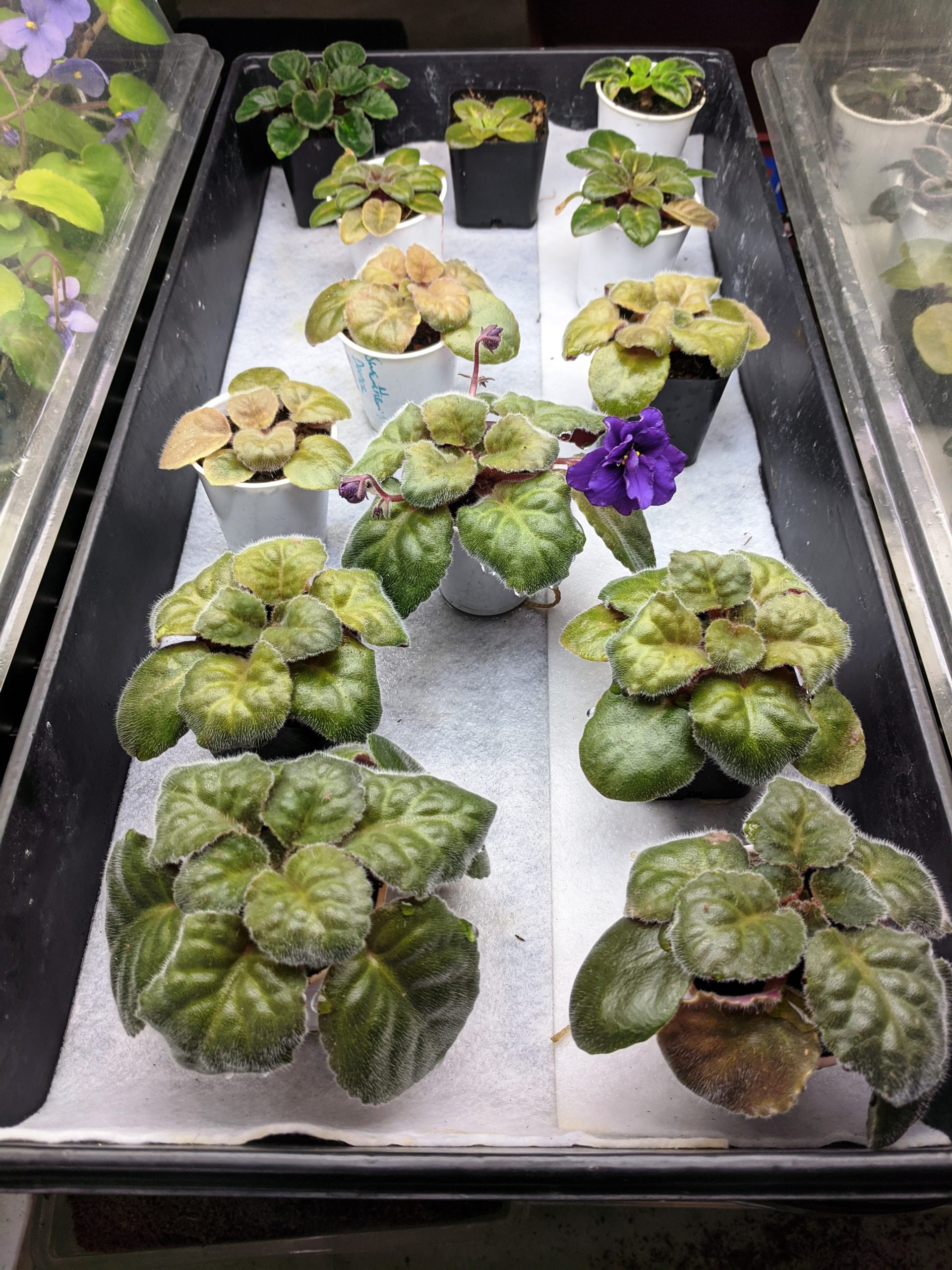
Lighting issues often look like watering or nutrient problems at first glance. Here are some clues:
- Pale, leggy leaves + no blooms = almost always not enough light.
- Brown crispy spots focused on one side = direct sun damage or lack of rotation.
- Flowers dropping early despite good watering/fertilizing = inconsistent or too-short lighting periods.
I saw these exact symptoms when consulting for an office with terrible natural lighting. Adding full-spectrum LED grow lights on timers fixed everything within six weeks—no soil changes needed. If you’re also dealing with leaf discoloration or wilting, you might find helpful advice in troubleshooting yellow leaves and wilting in African violets.
A Real-Life Rescue Story
One African violet was struggling under a south window blasted by harsh afternoon sun daily. Its leaves browned along edges and dropped quickly; flowers stopped after two months flat.
I moved it indoors behind a sheer curtain on an east-facing sill and installed a 40-watt fluorescent grow light overhead set for 12 hours/day with a timer. Six weeks later? New leaves were deep green and shiny; buds appeared steadily again.
It felt like saving someone from near death… except really it was just fixing lighting properly!
What I'd Tell My Friend Starting Out
Don’t assume your “bright window” is enough until you actually test it—and please don’t hesitate to supplement with inexpensive grow lights year-round if needed! Rotating weekly might sound trivial but honestly—it’s where so many people lose half their plant’s potential without realizing it.
Lighting is literally the foundation beneath everything else: water, soil, feeding—they all depend on good light first. Nail this step, and even if you slip up elsewhere sometimes, your African violet will reward you with vibrant leaves and reliable blooms again and again. For tips on feeding and soil to complement your lighting setup, see ideal soil and fertilizer for African violet growth.
You’re definitely not alone if this feels tricky at first—it took me multiple tries before things clicked too!
Quick Checklist for Healthy African Violet Lighting
- Pick an east or north-facing window spot whenever possible.
- Measure actual light near your plant (aim for ~2,500 foot-candles).
- Use sheer curtains or move plants back from direct rays if needed—scorched edges mean too much sun!
- Supplement natural light year-round with full-spectrum fluorescent or LED grow lights (~40 watts).
- Set artificial lights on timers for 10–14 hours daily consistently.
- Rotate your plant about 90 degrees weekly to balance growth evenly around its crown.
- Watch leaf color closely: pale/stretchy = more light needed; scorched edges = reduce direct exposure immediately!
- Adjust lighting seasonally—don’t count on natural daylight alone in winter months.
Common Mistakes & Getting Started Tips
- Don’t rely solely on vague terms like “bright indirect.” Measure it!
- Avoid placing your violet right against south/west windows without filtering sunlight—it burns fast!
- Invest in even one simple grow light—it pays off quickly with better blooms year-round.
- Keep consistent timing; erratic days confuse your violet’s blooming cycle.
- Be patient—sometimes improvements take weeks before showing visibly!
Start small: pick your best window spot first, then measure brightness if possible; add grow lights if below target; rotate weekly—and watch how your violet responds over several weeks before adjusting further.
Lighting may seem complicated at first glance—I won’t lie—but once you crack this part of care, everything else gets easier and more rewarding (promise!). Your African violet isn’t being picky—it just wants just right conditions so it can show off those gorgeous fuzzy leaves and flowers that make us all smile every day.
Keep experimenting gently—you’ve got this!
If I could go back five years ago? I’d tell myself exactly what I’m telling you now: measure your light carefully, supplement smartly, rotate religiously—and don’t give up when early attempts look rough because better days are coming fast once lighting clicks into place.
Feel free to reach out if you want tips on specific setups—I’ve been there plenty! Lighting can feel like guesswork until it isn’t anymore…and then suddenly those tiny violets become tiny miracles right in front of your eyes.


