Unlock Healing Power: Medicinal Uses of the African Milk Plant
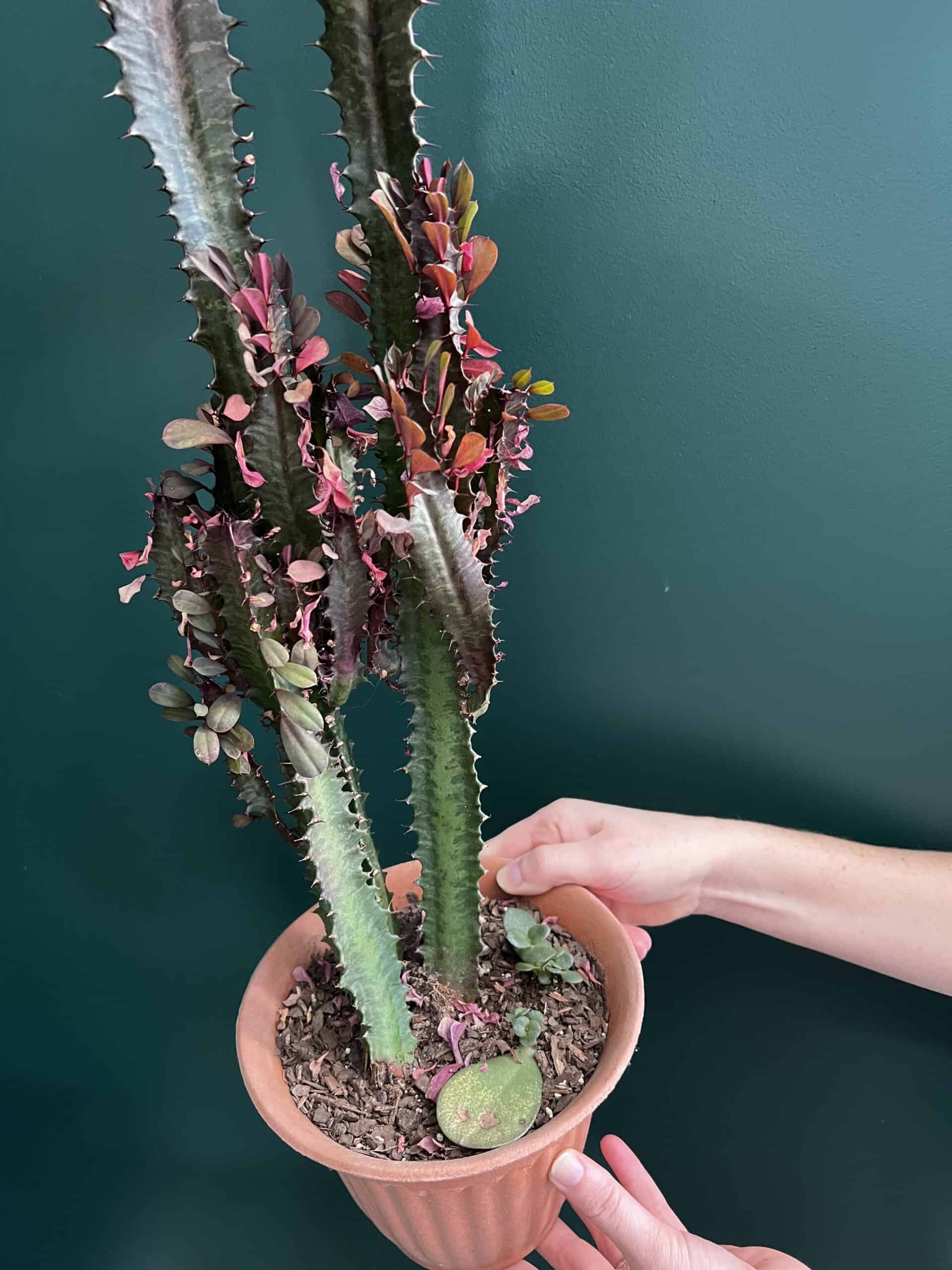
The African Milk Plant (Synadenium grantii) is a fascinating but tricky herbal remedy. It’s been used traditionally in many parts of East Africa for skin problems, wounds, and inflammation—but only if handled with care. For a comprehensive guide to African Milk Plant uses and benefits, you can explore more detailed information on its applications and precautions. Let me walk you through what I’ve learned from real experience (and a few painful mistakes), so you get the benefits without the burns.

What Is the African Milk Plant Used For?
Before we dive into cautions, here’s the quick scoop on its medicinal uses:
- Wound healing: The latex helps reduce infection and speeds up healing when applied carefully.
- Skin conditions: Traditional healers use it on stubborn rashes, eczema, and fungal infections.
- Anti-inflammatory effects: It can calm swelling and irritation if dosed right.
But—and this is a big but—the potent white sap is also highly irritating and toxic if misused.
Why You Must Respect Its Potent Latex
When I first tried using the milky sap, I thought it would be as gentle as aloe vera. Nope. The latex contains compounds called phorbol esters—basically natural irritants that can cause burning, redness, and even blisters.
Here’s what happened to me: I squeezed out about a pea-sized drop onto a rash spot (thinking “more will work better”), and within minutes my skin felt like it was on fire. That sting lasted for hours. Lesson learned the hard way: start tiny!
My rule now? Just one single drop to test your skin first—and wait 24 hours before trying more.
Dilution Isn’t Just Tradition—It’s Survival
In many communities where this plant grows wild, healers never apply raw latex directly. They mix it with oils or water to soften the sting while keeping its power.
I once skipped this step during fieldwork in Zimbabwe because I was impatient to heal a small cut faster. Big mistake—the raw sap blistered my skin badly and slowed healing by days.
Later, I diluted one part latex with five parts coconut oil—and suddenly it worked smoothly with no burning at all.
If you want to try this yourself: start with about 1 drop of latex in 5 drops of carrier oil (like coconut or olive oil). That ratio is a good balance to minimize irritation. For more on cultivating this plant safely, see how to grow and care for African Milk Plant.
A Word on Internal Use: Please Be Careful
There are online rumors that drinking or ingesting African Milk Plant juice can cure cancer or detoxify your body. Honestly? That’s risky territory.
I saw a patient once who drank homemade juice containing the latex—they became dizzy, nauseous, and had severe stomach pain. They needed emergency care.
My advice: Never take this plant internally without strict medical supervision. The toxins can harm your organs quickly.

Practical Tips That Actually Work
From watching skilled healers and learning through trial (and error), here are some down-to-earth steps:
-
Patch-test first: Drop one tiny dab behind your ear or on your wrist; wait 24 hours. No big redness or swelling? You’re probably okay to proceed.
-
Limit frequency: Twice a day max; more than that risks irritating your skin further.
-
Use clean tools: Sterilize knives or scissors before cutting stems to avoid infections.
-
Treat small areas: Don’t slather it all over large patches at once—start with spots until you know how your skin reacts.
-
Keep soothing remedies ready: Aloe vera gel or cold compresses can help calm unexpected burns quickly.
A Real Healer’s Story
Back in Zimbabwe in 2022, I shadowed a traditional healer treating an infected farmer’s leg wound. He carefully snipped a small stem segment, collected just enough sap to moisten a cotton ball, then gently dabbed it twice daily onto the cleaned wound.
No dilution here—the healer trusted their experience to control dosage precisely—and over six days, the inflammation visibly dropped without any blistering or pain beyond slight warmth.
Contrast that with another case in Nairobi where someone thickly applied raw latex over eczema—they ended up blistered and had to stop treatment altogether.
This shows how dosing and method make all the difference between healing and harm.
Patience Pays Off More Than Speed
I get it—we all want quick fixes. But rushing this plant’s use almost always backfires. Its active compounds work gradually; pushing too hard triggers side effects that slow healing instead of helping it.
So please: go slow, watch closely, and respect its power.
Your Next Steps If You’re Curious
If you want to explore Synadenium grantii safely:
- Make sure you identify your plant properly (not all “milk plants” are equal). For a complete overview of African Milk Plant, including identification tips and benefits, check out the detailed resource.
- Start with just one drop of diluted latex on an inconspicuous patch of skin.
- Wait at least 24 hours before increasing dose or expanding application area.
- Always keep aloe vera gel or cold compress nearby for emergencies.
- Talk to traditional herbalists familiar with this plant before considering internal use—or better yet—avoid internal use altogether without expert guidance.
Remember, this isn’t just folklore—it’s knowledge honed by generations of healers through trial and error.
Final Thoughts
The African Milk Plant holds real healing potential—but only when treated with respect and patience. Mishandling its potent latex turns what could be medicine into injury risk fast.
As one healer told me during my travels: “The plant speaks softly but bites hard if ignored.”
So listen carefully—start tiny, go slow, watch closely—and you might just discover why this remarkable plant has been treasured across cultures for centuries.
Happy experimenting—and stay safe out there!


