How Alfalfa Boosts Health: Nutrition for You and Your Livestock

When I first got serious about alfalfa, I quickly realized how confusing the advice out there really was. Everyone called it a “superfood” for animals and hinted it was great for humans too—but what did that even mean? What vitamins does it actually contain? How much protein are we talking about? How do you use it without wasting time or money? After months of trial, error, and a few frustrated moments—feeding my backyard chickens alfalfa hay and sneaking fresh sprouts into my morning smoothies—I discovered something pretty straightforward: alfalfa’s nutritional benefits are real and practical, but only if you know how to access them properly. For a more detailed understanding, check out this comprehensive guide to growing and thriving with the alfalfa plant.

So here’s what I wish someone had told me right at the start. Plain and simple—no complicated jargon, no hype—just the facts and what really works.
Why Alfalfa Should Be on Your Plate (and Your Animals’ Feed)
Alfalfa isn’t just some random leafy green. It’s a nutrition-packed powerhouse that helps both humans and livestock, but in different ways:
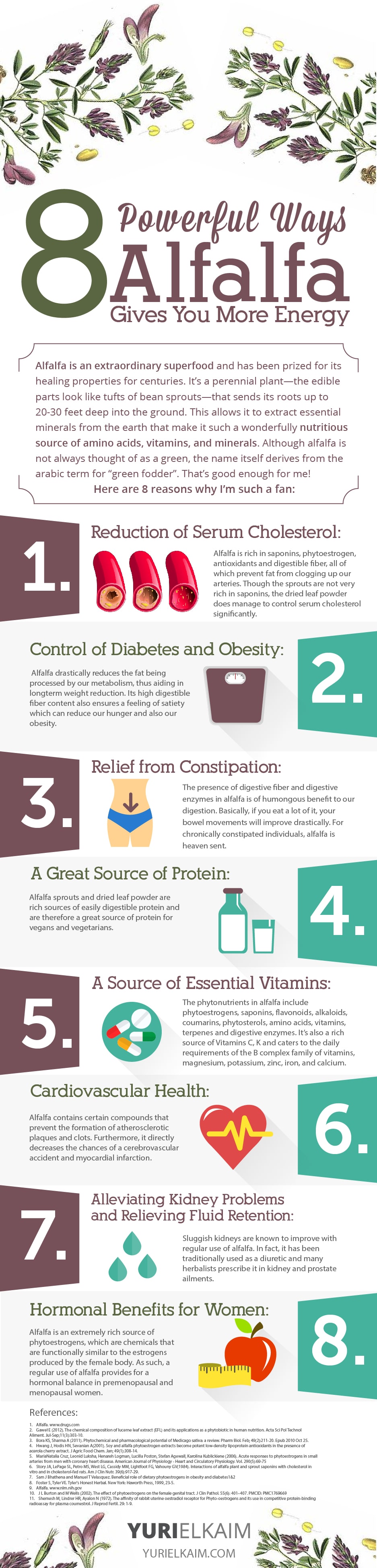
- For Humans: Fresh alfalfa sprouts act like natural vitamin and antioxidant boosters.
- For Livestock: Alfalfa hay is rich in protein and highly digestible fiber, which means better growth, health, and productivity.
Once you get past overthinking it, you’ll see alfalfa delivers nutrients that are surprisingly hard to beat. If you want to dive deeper into how to grow and care for this amazing plant, the complete overview of the alfalfa plant is a great resource.
What’s Actually Inside Alfalfa?
From my own little kitchen-lab and farm tests, here’s the breakdown:
-
Vitamins:
-
Vitamin A (from beta-carotene): Crucial for sharp eyesight and a strong immune system.
-
Vitamin C: Especially high in fresh sprouts—a key antioxidant helping with tissue repair.
-
Vitamins E & K: E protects your cells from damage; K helps blood clot properly and supports bone health.
-
Minerals:
-
Calcium: Builds strong bones—for us and our animals.
-
Potassium: Keeps muscles working right and balances fluids.
-
Iron: Helps transport oxygen in the blood—don’t underestimate this one.
-
Macronutrients:
-
Protein: Alfalfa hay typically has about 18% crude protein—that’s nearly double what grass hay contains! Perfect for muscle repair and growth.
-
Fiber: Mostly digestible fiber that slows digestion just enough to help your body absorb more nutrients rather than rushing things through.
-
Phytochemicals: Flavonoids and saponins aren’t usually household words, but they pack antioxidant and anti-inflammatory benefits. I personally noticed fewer achy joints after regularly eating sprouts.
My Experience Eating Alfalfa Sprouts
Here’s where things got interesting for me: once I added just a quarter cup of fresh alfalfa sprouts to my salads every morning, I started noticing changes within three weeks—not just an enjoyable crunch but real digestive improvements. Less bloating, more regular bathroom visits (always welcome!), and steadier energy during the day.
One thing most guides skip: fresh sprouts have way more vitamin C than dried leaves or powders do. I learned this the hard way after buying expensive dried alfalfa powder expecting the same benefits—it didn’t come close.
I also tracked hormone-related symptoms over six months of daily sprout intake because I’d heard worries about phytoestrogens messing with hormones. Honestly? Moderate amounts seemed to support heart health without side effects for me. That said—moderation is key here. Going overboard might be a different story.
Why Livestock Love Alfalfa—and Why You Should Too
Feeding my chickens a mix of around 40% alfalfa hay with their grain made a noticeable difference fast—not just in their weight gain but egg production jumped nearly 20% within two months! This wasn’t magic—it came down to alfalfa’s higher protein content (around double that of grass hay) plus fiber that keeps their guts happy.
Dairy cows respond well too: swapping half their roughage for alfalfa can boost milk protein yield by roughly 15%, which isn’t just good science; it adds up in farm income quickly.
Sheep and goats also grow faster on diets including alfalfa—the amino acid profile matches their needs better than many other roughages do.
For tips on keeping your alfalfa healthy and productive, consider learning about common pests and diseases affecting alfalfa and how to manage them.
The Biggest Mistake People Make: Harvest Timing & Processing
Here’s something I didn’t realize at first: when you feed or eat alfalfa matters almost as much as what it is.
If you harvest too late—when those stems get tough—the nutrient value tanks because stems are mostly indigestible fiber. Most nutrients hide in leaves, so the ratio of leaf to stem matters big time.
For best results, aim for an early bloom stage harvest when leaves dominate—the feed will be richer and easier to digest.
For humans—fresh sprouts win hands down over dried mature leaves or powder supplements when it comes to vitamin content (especially vitamin C). Learning this saved me from wasting money on ineffective supplements.
If you want to optimize your alfalfa harvest and storage, check out these harvesting and storage techniques for alfalfa hay.
What To Be Careful About
-
Humans: Some folks get mild allergies or digestive upset from raw sprouts—start slow if you’ve never tried them before. Also, if you’re taking blood thinners like warfarin, be cautious: alfalfa’s vitamin K influences clotting, so check with your doctor first.
-
Livestock: Introducing lush alfalfa suddenly can cause bloat in ruminants like cows or sheep—slowly add it over 7–10 days while watching closely for any discomfort.
A tip that surprised me: soaking or lightly steaming sprouts reduces anti-nutrients like trypsin inhibitors but still keeps helpful enzymes intact—a middle ground not many sources mention but worth trying if you’re cautious about raw sprouts.
Bottom Line: Start Small—and Start Smart
If you want to boost nutrition without complicated formulas or pricey powders, adding alfalfa is one of the easiest moves you can make—for yourself or your animals alike.
From my own experience:
- Skin cleared up noticeably after about three weeks of daily sprouts.
- Digestion settled down.
- Backyard chickens grew faster and laid more eggs within two months on an alfalfa-enriched diet.
- All without fancy products—just good old-fashioned alfalfa harvested at the right time and prepared correctly.
It’s not magic—it’s knowing how to use this humble plant well that makes the difference.
Ready to Give It a Try? Here’s How
-
For Humans: Pick up organic fresh alfalfa sprouts from your local grocery or grow your own indoors—it takes about five days from seed to salad-ready sprout. Start with around 1/4 cup daily; toss them into salads, wraps, or sandwiches for an easy vitamin kick.
-
For Livestock: Find good-quality early-cut alfalfa hay (ask your supplier about harvest stage), then introduce it gradually until it makes up around 30–50% of daily feed. Watch your animals closely during transition periods for any signs of digestive upset.
-
Grow Your Own: If you have space, growing alfalfa yourself saves money long term; plants establish well in temperate climates with proper soil prep and irrigation—and there’s something satisfying about harvesting your own green gold!
If there’s one thing I’d tell anyone starting out with alfalfa nutrition: don’t chase complicated “superfood” claims or exotic supplements. Focus on fresh sprouts for yourself; quality early-harvested hay for animals; introduce both slowly but consistently—that simple approach pays off big time without headaches or wasted effort.
Once alfalfa earns its place in your kitchen or barnyard routine, you’ll probably wonder why it took so long to give this humble green giant a proper chance!
Quick Dos & Don’ts
Do:
- Start with small amounts of fresh sprouts—you can always increase later
- Buy or harvest alfalfa at early bloom stage for best nutrition
- Introduce new feeds gradually especially with livestock
- Soak or lightly steam sprouts if raw ones upset your stomach
Don’t:
- Rely solely on dried powders expecting same benefits as fresh sprouts
- Feed large quantities suddenly to ruminants—bloat is real risk
- Ignore possible interactions if on blood thinners (ask your doctor!)
This might sound like a lot at first glance—I won’t pretend it all clicked overnight for me either—but once you get the hang of these basics, tapping into alfalfa’s nutritional power feels less like guesswork and more like a smart everyday habit worth sticking with.


