Unlock Vibrant Health: Nutritional Benefits of Amaranth Leaves & Seeds
When I first stumbled onto amaranth, I’ll admit—I was a little skeptical. It seemed like just another “superfood” buzzword that promised too much and, frankly, confused me more than it helped. What I didn’t realize right away was how different the leaves and seeds really are—not just in taste or texture, but in their nutritional magic and how you should cook them. For weeks, I mixed them up, treating them like the same thing. Spoiler: that’s a recipe for frustration. If you want to dive deeper into growing and troubleshooting this fascinating plant, check out this comprehensive guide to amaranth plant cultivation and care.
After fumbling through my kitchen experiments (and a few disappointing meals), it clicked. Amaranth isn’t one food with one set of benefits—it’s really two superfoods in one plant. Once I grasped that, everything changed.
Why Treating Amaranth Leaves and Seeds Like Twins Is a Big Mistake
Here’s a little confession: early on, I dumped dried amaranth seeds into soups as if they were rice and tossed fresh leaves in at the last minute without much thought. The leaves turned bitter and mushy when overcooked; the seeds came out gummy blobs because I ignored their starchiness. It was frustrating—like trying to fit square pegs into round holes.
The crucial difference? Amaranth leaves are micronutrient powerhouses, loaded with vitamins and minerals that support your immune system and bones. In contrast, the seeds pack macronutrients—high-quality protein and minerals that fuel muscles and aid digestion.
Ignoring this split is why so many people give up—they expect one-size-fits-all results but get neither taste nor nutrition right.
What Makes Amaranth Leaves So Special — And How to Keep Their Goodness Intact
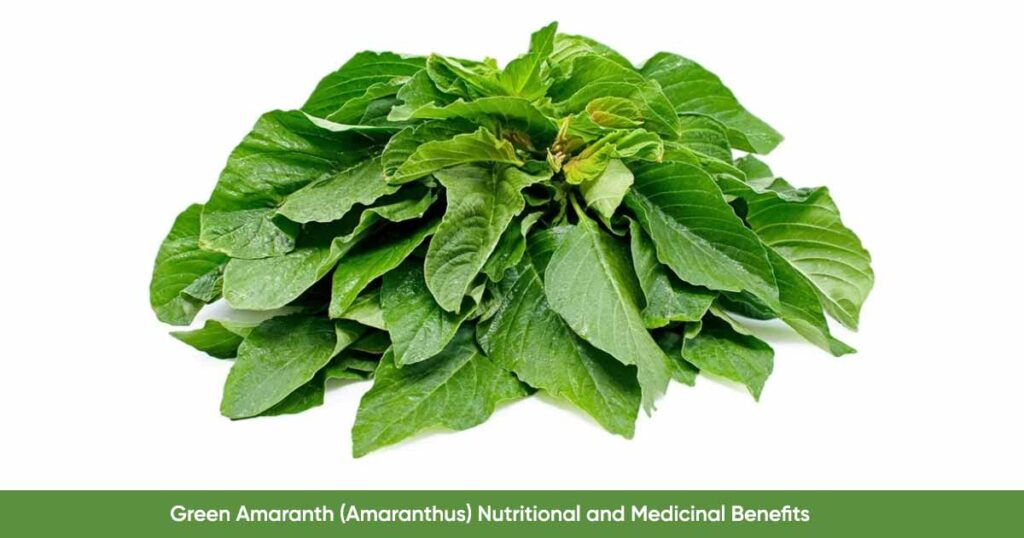
Amaranth leaves are like nature’s multivitamin:
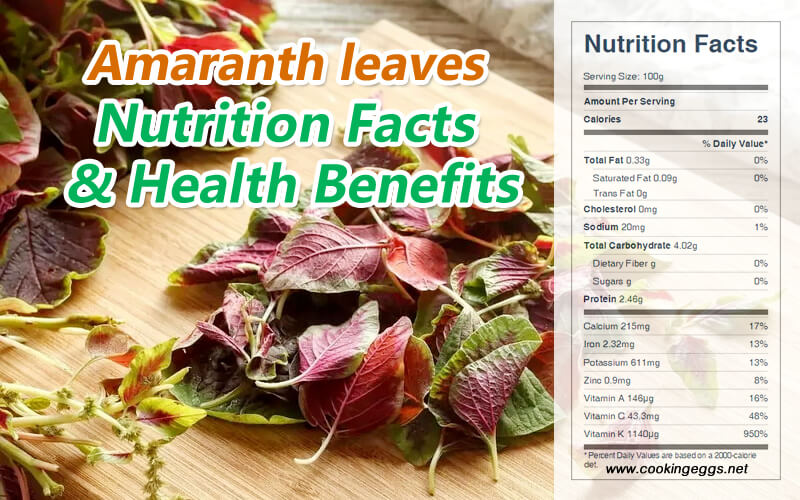
- Vitamin A (from beta-carotene): Great for eye health and boosting immunity.
- Vitamin C: An antioxidant hero that helps skin repair.
- Vitamin K: Crucial for blood clotting and keeping bones strong.
- Iron: Helps fight fatigue by supporting red blood cells.
- Calcium: Packs more bone-strengthening punch than many common greens.
But here’s the catch: overcooking these leaves is a fast track to losing vitamin C—and turning bitter. My first batch? I boiled them for 15 minutes straight... disaster. They looked sad, tasted worse.
Lesson learned: quick cooking is key. Now I stir-fry or steam them for just 3–4 minutes—enough to keep their bright green color and earthy flavor intact. Tossing in garlic or tomatoes adds a nice balance too.
A fun fact: just 100 grams of fresh amaranth leaves can supply about 40% of your daily vitamin A needs and 20% of your calcium requirement. That’s comparable to kale but cooks faster and adapts to so many dishes—from Indian saag to simple salads.
Why Amaranth Seeds Are Not Your Average Grain — And How To Cook Them Right
Amaranth seeds blew me away with their protein profile: they contain all nine essential amino acids—something rare in plant foods. One cooked cup offers roughly 9 grams of protein plus 5 grams of fiber—that's more than quinoa or brown rice! Perfect for muscle repair and staying full longer.
But beware: amaranth seeds have high starch content, which can make them gummy if cooked like regular rice.
My rookie mistake? Pouring one cup of seeds into two cups of water and simmering uncovered until sticky mush formed. Not appetizing!
The fix? Rinse the seeds under cold water until it runs clear—that washes away excess starch. Then simmer covered with a tight lid using the same 1:2 ratio (seeds to water) for about 20 minutes. The result? Fluffy, slightly nutty grains you’ll want to eat again. For more tips on growing and handling amaranth, see this complete overview of the amaranth plant.
Bonus tip: dry-toast amaranth seeds in a hot pan until they pop like tiny popcorns—sprinkle those crunchy bits on salads or yogurt for an unexpected texture twist most people miss.
Real-Life Wins From Understanding These Differences
I once advised a small creative agency where two coworkers complained about afternoon slumps and constant colds during winter months. Adding fresh amaranth leaves twice weekly to team lunches led to noticeable energy boosts within three weeks—no magic pills needed.
On another note, my vegan athlete friend struggled with bloating from soy-based proteins but found relief switching post-workout snacks to cooked amaranth seeds. Over six months, she gained lean muscle without digestive upset—a win she hadn’t expected from this ancient grain alternative.
Common Pitfalls You’ll Want to Dodge
- Overcooking leaves: Destroys vitamin C quickly; stick to stir-frying or steaming under five minutes.
- Skipping seed rinsing: Leads straight to gluey texture; rinse thoroughly until water runs clear.
- Starting too big: Jumping into half-cup servings caused mild stomach troubles for me (and others). Start small—try 1/4 cup cooked—and build up gradually.
- Expecting overnight miracles: Nutritional benefits stack up over weeks; don’t quit after just one try.
- Forgetting vitamin C pairing with leaves: Iron absorption suffers if you don’t eat vitamin C-rich foods like lemon juice or bell peppers alongside your greens.
For advice on managing common issues while growing or cooking amaranth, you might find this guide on common pests and diseases affecting amaranth plants helpful.
How This Split Approach Turned Me Into an Amaranth Believer
Once I stopped thinking of amaranth as “just another green grain” and embraced its dual nature—leaves for micronutrients, seeds for protein—it stopped feeling confusing and started feeling powerful.
Leaves became my go-to when winter hit hard or energy lagged; seeds powered post-gym meals without gluten issues or bloating.
Most advice misses this nuance, lumping everything together or focusing on just one part—which is why so many give up early or don’t see results.
Getting Started Without Tripping Up
- Find fresh amaranth leaves near you — farmers’ markets or specialty grocery stores are gold mines (fresh ones smell earthy but bright).
- Introduce leaves gently; cook lightly — toss thinly sliced raw leaves in salads or sauté quickly under five minutes.
- Prep seeds properly — rinse well before cooking; use 1 cup seeds + 2 cups water ratio; cover tightly while simmering about 20 minutes until fluffy.
- Start small with seeds — begin at 1/4 cup cooked servings to avoid digestive discomfort; increase slowly over several weeks.
- Pair leafy dishes with vitamin-C rich foods — add lemon juice or bell peppers for better iron absorption.
- Track how you feel over at least 4–6 weeks — note energy levels, digestion quality, even skin changes—to find what truly works for you.
Quick Start Checklist
- [ ] Source fresh amaranth leaves (look for bright green color & earthy aroma)
- [ ] Cook leaves quickly (stir-fry/steam ≤5 mins)
- [ ] Rinse seeds thoroughly until water is clear
- [ ] Cook seeds covered at 1:2 ratio (seeds:water) until fluffy (~20 mins)
- [ ] Start seed servings small (¼ cup cooked), then ramp up
- [ ] Always pair leaves with vitamin C-rich foods
- [ ] Be patient—give your body time (4–6 weeks)
If there’s one thing I’d pass on from my trial-and-error journey: respect the differences between amaranth’s leaves and seeds. They aren’t interchangeable—they’re complementary nutrition buddies working best when treated right.
Give these tips a shot—you might find yourself reaching not just for another ingredient but a steady health ally that surprises you with its quiet strength over time.
And hey, if you stumble? That’s okay—I did plenty myself before getting it right! Cooking is part science, part art... part patience too. Enjoy discovering what works best on your plate and in your body—it’s worth it!


