Optimal Soil and Sunlight Conditions for African Marigold Growth

The first time I tried growing African marigolds, I thought it was simple: “Sun plus water equals flowers.” Spoiler alert—it wasn’t that straightforward. My plants ended up tall and spindly with just a handful of tiny blooms after weeks of care. I watered daily, planted them in what I assumed was a “sunny spot,” and even sprinkled fertilizer on the soil. Still, nothing really clicked until I stopped following generic advice and started paying close attention to what these plants actually need. If you want a deeper dive, check out this comprehensive guide to African marigold flower growth. Here’s what made all the difference.
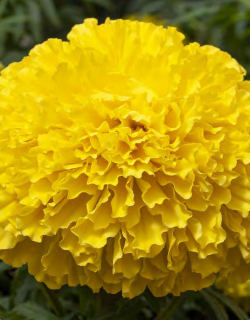
What African Marigolds Really Want: Soil and Sunlight Basics
Forget complicated pH charts or fancy fertilizer formulas. After testing multiple spots in my yard and messing up soil mixes more times than I’d like to admit, here’s the simple truth:
- Well-draining soil is a must — if your soil holds water like a sponge, roots will drown.
- Soil pH should be close to neutral, between 6.0 and 7.0 — too acidic or alkaline can stunt growth.
- At least 6 hours of direct sun daily — partial shade just won’t cut it.
That’s really it. No special fertilizers or expensive soil blends needed. For a complete overview of how to optimize these conditions, see the complete overview of African marigold flower growth.
When “Sunny Enough” Isn’t Enough
I once planted marigolds under a tree where there was morning sun but shade by noon. The plants survived but looked sad—few flowers, weak stems. Then I saw my friend’s garden on the south side of her house getting nearly 8 hours of uninterrupted sun. Her marigolds exploded with color within three weeks.
Lesson? It’s not just any sun—they want full sun, ideally 6 to 8 hours straight.
Fixing My Clay Soil Disaster
Next came the soil test—something I wish I’d done sooner! Using a $15 kit from the garden center, I found my clay-heavy bed had a pH around 5.5 (too acidic) and held water like a bath sponge after rain.
My fix was simple but effective: mix in two parts compost to one part coarse sand over a weekend. No lab tests or fancy amendments needed. That change alone doubled my blooms the next season.
Busting Common Myths About African Marigold Care
-
Myth #1: “Any Sunny Spot Works”
Nope. Partial shade leads to leggy plants and fewer flowers. -
Myth #2: “Soil Doesn’t Matter If You Water Right”
Wrong again! Clay soils trap moisture, causing root rot no matter how carefully you water. -
Myth #3: “More Fertilizer = More Flowers”
Too much nitrogen means lots of leafy growth but disappointing blooms—a mistake I’ve made more than once.
For advice on dealing with issues that might arise from these myths, such as pests or diseases that can affect your marigolds, see common pests and diseases affecting African marigolds and how to treat them.

How To Set Your African Marigolds Up for Success
-
Scout Your Spot: Use your phone’s compass app to find south-facing areas with at least 6 hours of direct sunlight.
-
Test Your Soil pH: Grab an inexpensive test kit (like Rapitest). If your pH is below 6.0, add garden lime; if above 7.0, sprinkle elemental sulfur—but do this sparingly!
-
Improve Drainage: Don’t stress exact ratios—just mix enough coarse sand or perlite into your soil so when wet it feels loose instead of sticky or clumpy.
-
Add Organic Matter: Mix in about 25% volume compost (kitchen scraps work fine) with your native soil for nutrients and better texture.
-
Plant Carefully: Don’t bury seedlings deeper than their pot depth; roots need air to avoid rot.
-
Water Smartly: Wait until the top inch of soil dries before watering deeply—this encourages strong roots.
-
Feed Sparingly: Use a balanced fertilizer (like 10-10-10) once at planting, then switch to phosphorus-rich options like bone meal after flowers start appearing.
What To Do If Things Still Go Wrong
Sometimes despite your best efforts, blooms don’t show up or leaves yellow—don’t get discouraged! Here are quick troubleshooting tips:
- Few or no flowers? Check if your plants are getting full sun without interruption.
- Yellowing leaves? Could be overwatering or too much nitrogen fertilizer—cut back watering and ease up on feeding.
- Plants look leggy? They’re probably reaching for light; try moving them to a sunnier spot.
Remember, gardening is partly trial and error—even pros mess up sometimes! For more insight into the cultural background that might inspire your care routine, consider reading about the cultural and symbolic significance of African marigold flowers.
My Biggest Gardening Oops—and What It Taught Me
One year, I dumped way too much nitrogen fertilizer on my marigolds hoping to boost blooms fast—and ended up with giant leafy bushes that refused to flower for weeks. Lesson learned: more isn’t always better when feeding plants!
Quick Tips Summary for Easy Reference
- Choose well-draining soil with pH between 6.0–7.0
- Ensure at least 6 hours of solid direct sunlight daily
- Mix compost + coarse sand/perlite into native soil for drainage
- Plant seedlings shallowly; water only when top inch dries
- Feed lightly: balanced fertilizer at planting + bloom booster later
Final Thoughts Before You Dig In
If you remember only one thing from all this: focus first on good sunlight exposure and well-draining soil texture before chasing fancy fertilizers or pest controls.
African marigolds aren’t picky once their roots breathe freely and they soak up enough sun—they’ll reward you with bright, abundant flowers that make all the effort worthwhile.
So next weekend, grab your shovel and phone for some sunlight tracking and quick soil feel tests—you’ll be amazed how much those simple steps can transform your garden from struggling stems into fireworks bursting in summer color!
Your marigolds won’t just survive—they’ll thrive because you gave them exactly what they need under those sunny petals.
Happy gardening!


