Popular Abutilon Varieties and Their Distinctive Features Explained
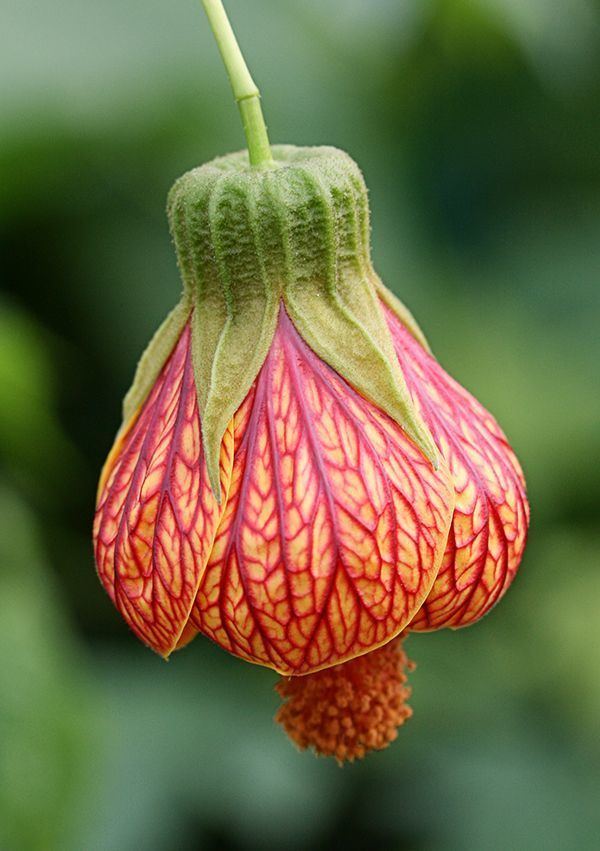
When I first started growing Abutilons, I thought they were all pretty much the same—just shrubs with orange or yellow flowers. Boy, was I wrong. It took me weeks of scrunched-up faces and wilted leaves before I realized that lumping all Abutilons together was my biggest gardening blunder. Each variety has its own personality—not just in how it looks but also in what it demands from light, water, and space.
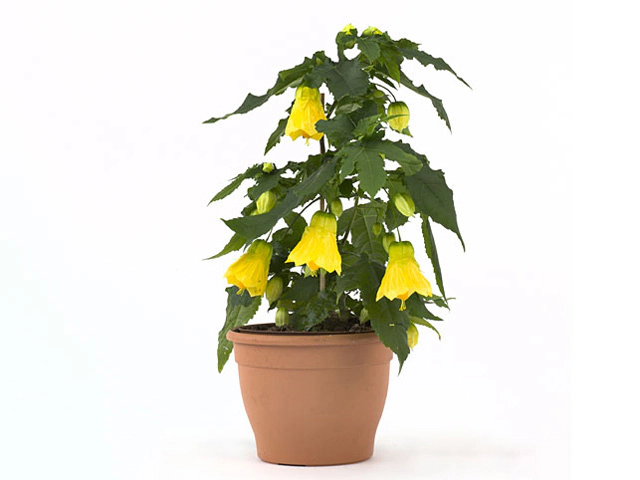
Here’s the truth nobody usually spells out: treating every Abutilon like a clone is a shortcut to frustration. Differences in flower size, color vibrancy, growth habit, and sun tolerance aren’t just trivia—they’re life or death for your plant’s success. After six months of trial, error, and sometimes outright failure with three popular varieties, I’m sharing the quirks and care tweaks that finally helped me get these beauties thriving.
Meet the Abutilons That Matter—and Why They’re Not One-Size-Fits-All
Abutilon 'Bella' — The Balcony Showstopper
- What makes it special: ‘Bella’ stays compact—about 3 to 4 feet tall—which is a blessing if you have limited space. Its bell-shaped flowers burst in reds, oranges, and yellows that can brighten even the smallest urban patio.
- Where I messed up: I planted ‘Bella’ in full afternoon sun thinking more light would mean more flowers. Nope—the leaves quickly scorched and curled up. Moving it into dappled shade (think filtered sunlight) was a game changer.
- My experience: On my tiny 12-inch balcony planter, ‘Bella’ became a hummingbird magnet within just three weeks. Its manageable size means less pruning stress and no risk of it becoming an unruly monster on my cramped balcony.
Abutilon 'Kentish Belle' — The Shade-Loving Classic
- What sets it apart: This one grows taller—up to 6 feet—and sports large pale yellow flowers sometimes veined with soft orange. It’s perfect for shady garden corners where you want subtle color without overwhelming brightness.
- My rookie mistake: Squeezing it into tight spaces among other shrubs thinking it would tough it out. Nope again. ‘Kentish Belle’ needs room to breathe; cramming it led to stunted growth and barely-there blooms for two seasons.
- Lesson learned: Give this variety space to spread out and place it where it gets light shade or morning sun—not dense shade or harsh afternoon heat.
Abutilon 'Souvenir d’Olympe' — The Dramatic Container Star
- Unique features: Those fiery orange-red flowers with dark centers make this one a real showstopper. It grows medium height (3–5 feet) but is surprisingly sensitive about its lighting conditions.
- Where I slipped up: Ignoring its dislike of afternoon sun landed me with crispy brown leaf edges within days when I left it on my sunny deck.
- How I fixed it: Moving ‘Souvenir d’Olympe’ into filtered morning light brought it back from the brink—proving even tough-looking plants can be delicate divas.
Don’t Pick by Color Alone—Think About Your Space
The biggest trap? Choosing an Abutilon just because you adore the flower color without thinking about size or light needs.
I once nabbed a ‘Kentish Belle’ because those pale yellow blossoms looked dreamy for my balcony—bad idea. Constant afternoon sun plus cramped quarters left me staring at leggy stems with barely any blooms for two summers straight.
Instead:
- Have a small pot or balcony? Pick ‘Bella’ or ‘Souvenir d’Olympe’ for their compact sizes.
- Gardening in shade or partial shade? ‘Kentish Belle’ will thrive if given some elbow room.
- Want low-maintenance? ‘Bella’ handles watering inconsistencies better than larger types prone to root rot.
Care Mistakes Nobody Warns You About (But You’ll Probably Make)
Almost every guide mentions “partial sun” and “well-drained soil,” but here’s what trips people up:
- Microclimates matter: Your backyard’s “partial sun” might actually be brutal noon sunlight in summer—exactly what fried my ‘Souvenir d’Olympe’ leaves until I moved it.
- Overwatering small pots: My 12-inch pot ‘Bella’ only needed watering when the top inch was dry—not daily like some say—or else roots drown fast.
- Fertilizer confusion: Too much nitrogen gives lush leafy growth with zero flowers. Switching ‘Kentish Belle’ to bloom-focused fertilizer higher in phosphorus turned its sulky season around.
Honestly? These nuances can sneak up on you even if you think you’ve done your homework.
What Happens When You Get It Wrong
I lost a ‘Kentish Belle’ overnight after leaving it outside during a sudden cold snap below 50°F—it looked fine at dusk, but by morning every leaf was blackened mush. Lesson: know your USDA hardiness zone well and bring sensitive varieties indoors or overwinter them properly.
Another time, despite watering religiously, my ‘Souvenir d’Olympe’ leaves went crunchy brown—the culprit wasn’t drought but harsh midday sun hiding behind “partial shade” labels.
These are mistakes almost nobody highlights but are common enough to deserve their own spotlight.
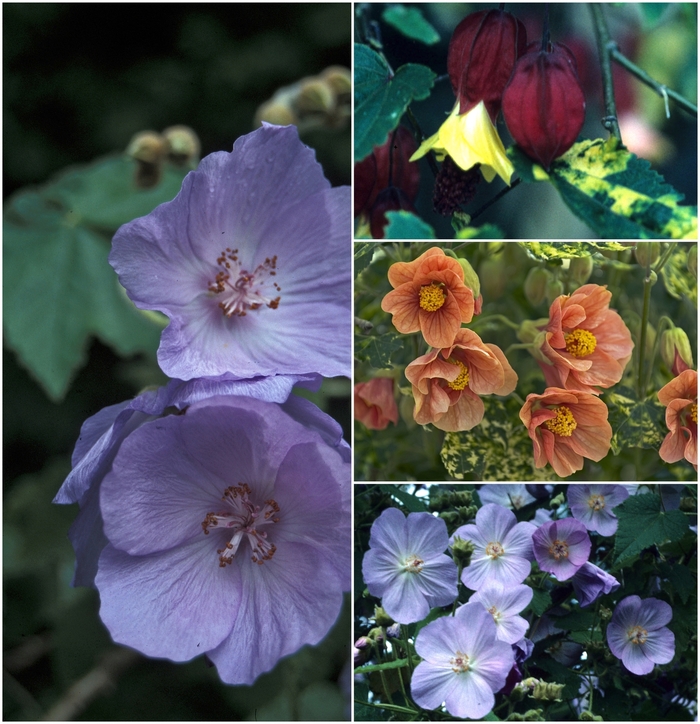
How to Nail Your Abutilon Match Every Time
Choosing an Abutilon is like dating—you’ve got to find the right fit:
| Variety | Size | Best Light | Ideal Location | Watering Notes |
|---|---|---|---|---|
| 'Bella' | 3–4 ft | Dappled/filtered light | Small patios/balconies | Water when top inch dries |
| 'Kentish Belle' | Up to 6 ft | Light shade/morning sun | Shady garden corners | Even watering; avoid soggy soil |
| 'Souvenir d’Olympe' | 3–5 ft | Filtered morning light | Containers/morning sun spots | Sensitive to overwatering & harsh afternoon sun |
Pick ‘Bella’ for cheerful bursts on small patios—it’s forgiving if you occasionally miss watering schedules.
Go with ‘Kentish Belle’ if you have space in shady garden nooks but be patient; give it room and don’t crowd other plants too close.
Choose ‘Souvenir d’Olympe’ when you want a dramatic container star—but guard against afternoon scorch!
Matching your variety’s quirks with your actual garden conditions—light levels, space constraints, watering habits—is how you stop wasting time on plants that sulk instead of bloom.
Quick Care Cheat Sheet
- Light: Avoid hot afternoon sun except for ‘Kentish Belle,’ which tolerates mild shade best
- Water: Let top inch dry before watering; smaller pots need closer attention
- Fertilizer: Use bloom-focused feeds (higher phosphorus) instead of all-purpose nitrogen-heavy fertilizers
- Space: Don’t cram tall varieties; give them breathing room
- Temperature: Bring sensitive types indoors if temps dip below 50°F
A Final Word From Someone Who's Been There
If there’s one nugget I hope sticks: don’t buy an Abutilon based on photo alone (guilty!). Ask yourself where exactly you’ll put the plant—how much space will it get? What kind of light bathes that spot during summer afternoons? Then pick the variety whose quirks fit your reality—not the other way around.
Believe me—your future self will thank you when those flowers reliably show up year after year instead of disappearing after frustrating seasons of guesswork.
Gardening isn’t perfect science—it’s trial mixed with error mixed again with occasional surprise wins. But getting to know your plants as individuals rather than “just another shrub” turns frustration into delight—and that feeling is priceless.
So go ahead: take a chance on Abutilons—but do so armed with their real stories and needs. Happy planting! And hey—if your first try doesn’t work out perfectly, consider it part of the adventure (and maybe send me a note sharing your own plant triumphs or disasters—I love hearing from fellow gardeners who’ve been through the wringer).
If you'd like, I can also help you build a simple care calendar tailored to your chosen variety—that little extra nudge really helped me keep things on track once I had specifics down solid! Just say the word.


