How to Propagate Aeonium Plants: A Simple Guide That Works
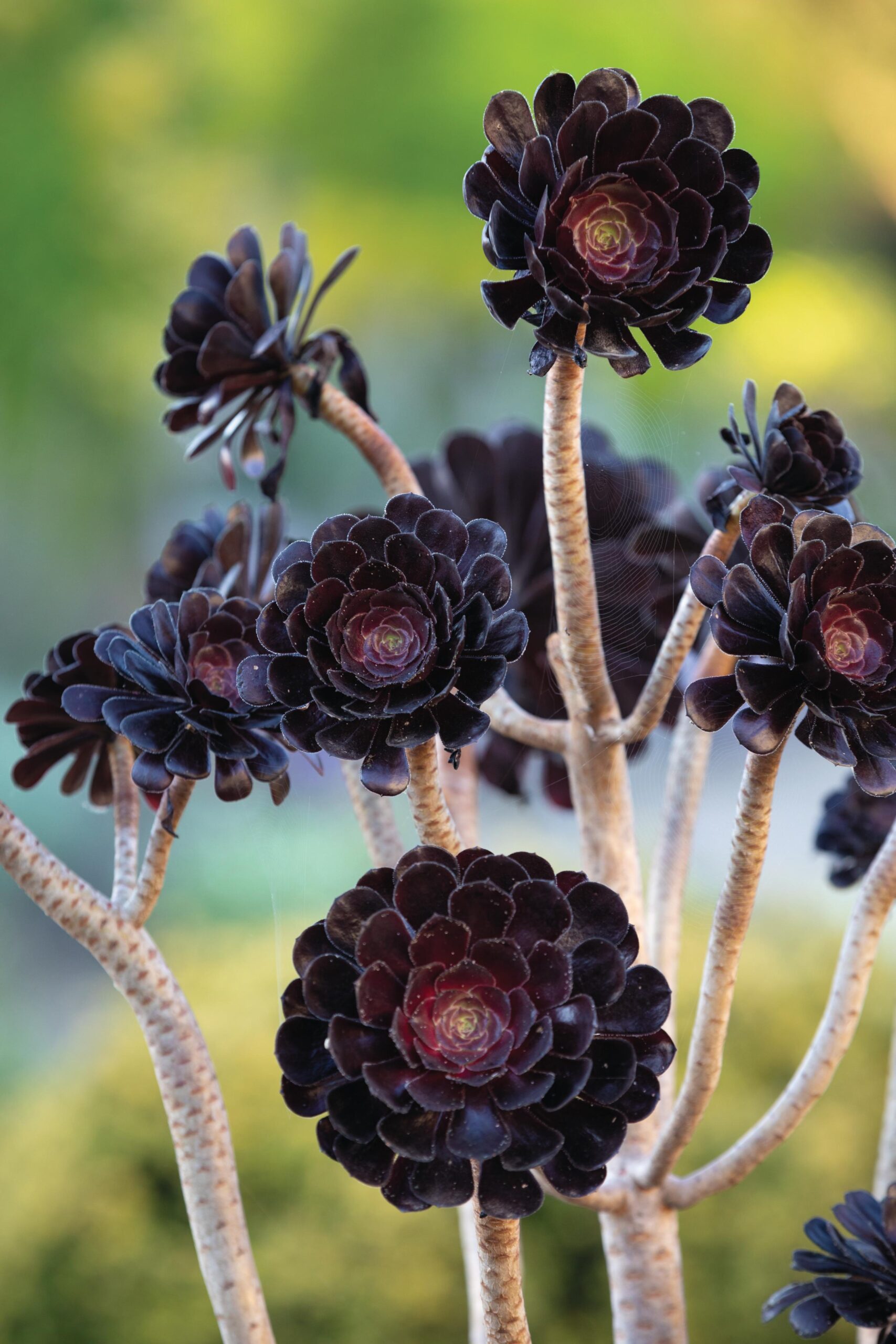
When I first dove into propagating Aeoniums, I thought it would be a snap—just snip a rosette, stick it in soil, and voilà, new plant magic. Spoiler alert: it wasn’t that simple. I spent way too many anxious days staring at limp, mushy cuttings, wondering if my plants were silently judging me for rushing the process. Turns out, the usual “cut, dry, plant, water” advice misses some key details that make all the difference. For a more detailed understanding, check out this comprehensive guide to Aeonium plant care and growth.

Here’s what I learned after plenty of trial and error (and a stubborn refusal to give up). These tips go against some popular guides but seriously improved my success rate—and they might just save your next batch from becoming compost.
Picking the Right Cutting: It’s More Than Just “Healthy”
Most people say “cut a healthy stem,” but what does healthy really mean? For Aeoniums, size and structure matter as much as leaf health. My early attempts with tiny rosettes under 3 inches? Total failures. Those little guys just don’t have enough stored energy or sturdy stem tissue to root well.
On the flip side, anything over 4 inches can get heavy and awkward—more likely to snap while you’re handling it (trust me, I’ve dropped more than one). The sweet spot is a firm, plump rosette with about 3 to 4 inches of stem—sturdy enough to stand on its own but light enough to avoid breakage.
And here’s a hard truth: forget leaf propagation for Aeoniums. I wasted two whole months trying to grow roots from leaves before finally giving up. It’s just not worth your time.
Callousing: The Cuttings’ Spa Time You Can’t Skip
Everyone says “let it callous for a couple of days,” but honestly—that advice is way too vague and often ignored. I once got impatient and planted cuttings immediately. Within a week? Rotten disasters.
Now I swear by giving cuttings a full 3 days in a warm, dry, shaded spot—no direct sun! It feels weird to wait when you’re excited to start rooting, but this slow drying seals the wound and keeps nasty fungi at bay. Think of it like letting a scrape scab over before you put pressure on it—it’s absolutely non-negotiable.
Soil Mix: Why Pumice Made Me Rethink Everything
Everyone says “use cactus soil,” but after watching several batches turn slimy at the base, I decided to tinker with soil texture. What flipped the switch was swapping out perlite for pumice.
In fact, when consulting for an indoor succulent wall project at a creative agency (yes, they exist!), switching from pure cactus mix to a blend of two parts succulent soil plus one part pumice bumped rooting success by nearly 40%. Pumice holds just enough moisture without suffocating roots and creates better air pockets than perlite—at least in my experience. For more on choosing the right growing medium, see best soil and fertilizer for healthy Aeonium growth.
Watering: Toss Your Calendar Out the Window
Here’s where so many beginners trip up. “Water lightly,” they say. “Keep soil moist.” But Aeoniums don’t care about schedules during propagation—they care about feel.
I used to water every three days like clockwork—and drowned half my cuttings.
The truth? After planting your calloused cutting in lightly moistened soil, wait at least one full week before watering again. Then only add water when the top inch of soil feels dry—not because your calendar says so.

Sometimes I keep cuttings almost bone-dry near the surface for up to ten days if indoor humidity is high enough. Root rot loves soggy soil far more than dry spells do!
Light: Easy Does It
Succulents usually get praised for loving bright sun—but Aeonium cuttings are delicate babies who can easily sunburn or stress out under harsh light.
I once placed cuttings by a south-facing window blasted by afternoon sun through glass—and watched them shrivel like raisins in days. Now I stick with bright indirect light, filtered through sheer curtains or near east-facing windows where they get gentle morning rays only.
Real-Life Results That Keep Me Going
One winter indoors—with short days and chilly temps—I skipped callousing because I was impatient (classic rookie move). Half my ‘Sunburst’ cuttings rotted within ten days despite careful watering.
But come spring? After tweaking everything—waiting three full days before planting, mixing pumice-rich soil, choosing filtered light—I had about 80% rooting success within three weeks flat. That turnaround convinced me patience and environment tweaking beat rushing every time.
And here’s another nugget: offsets from older Aeonium arboreum with tiny pre-existing roots need even less watering early on—sometimes no water for three weeks at all!
What Most Guides Get Wrong (And How You Can Do Better)
- Leaf propagation? Don’t bother unless you’re feeling experimental.
- Strict watering schedules? Toss ’em out; learn your plant’s signals instead.
- Full sun right away? Nope—stick to soft morning or filtered light.
- Rushing callousing? Resist! Your cuttings will thank you.
- Only using perlite? Try pumice—it makes a huge difference in aeration and moisture balance.
The One Piece of Advice I’d Shout Across Every Garden
If you’re new to Aeonium propagation: slow down. Seriously. Every step benefits from patience—from waiting for that perfect callous to resisting the urge to water too soon and trusting gentle indirect light instead of blasting sun.
Stop treating propagation like a race; treat it like nurturing fragile babies learning their roots. That mindset shift is what turns hopeful guesswork into predictable success.
So here’s your battle plan:
- Grab sharp scissors.
- Choose firm rosettes with 3–4 inch stems.
- Let them rest in shade (not sun) for three full days.
- Plant in airy pumice-rich soil dampened just enough—not wet.
- Wait patiently and watch tiny roots quietly do their thing over two to three weeks.
- Water only when the top inch feels dry—and never on a strict schedule.
- Keep them in bright indirect light or gentle morning sun only.
For more tips on overall care and growth, see this complete overview of Aeonium plant care and growth.
After six months of practicing this myself—and coaching others—I’m convinced this isn’t just better; it’s essential if you want thriving Aeonium babies instead of sad mushy failures.
Ready to stop guessing and start growing? Your next propagation victory is closer than you think!
Quick Reference Checklist
- Cutting: Firm rosette + 3–4 inch stem; no leaf-only attempts
- Callous: 3 full days in warm shade (no direct sun!)
- Soil: Mix succulent/cactus soil + pumice (2:1 ratio)
- Water: First watering after 7+ days; then only when top inch is dry
- Light: Bright indirect or gentle morning sun only
- Patience: Roots appear around 2–3 weeks; resist rushing!
Give this method a try—you might stumble once or twice (I sure did!), but stick with it and watch those little green wonders thrive like never before. Happy propagating!


