How to Propagate Aloe Plants from Offsets for Easy Success
The first time I tried propagating aloe from offsets, I thought, “This will be easy.” Spoiler: it wasn’t. Those tiny pups clinging to the mother plant looked so simple to separate—but after impatient digging and watering, I almost killed half of them. It took a few soggy casualties and some trial and error before I figured out a gentler, more reliable method. If you’ve ever felt overwhelmed by conflicting advice or worried you’re about to wreck your plant babies, this guide is for you. Let’s cut through the noise with what really works. For a comprehensive guide to aloe plant care and propagation, be sure to check out our main article.

Why Aloe Offsets Are Your Shortcut to Success
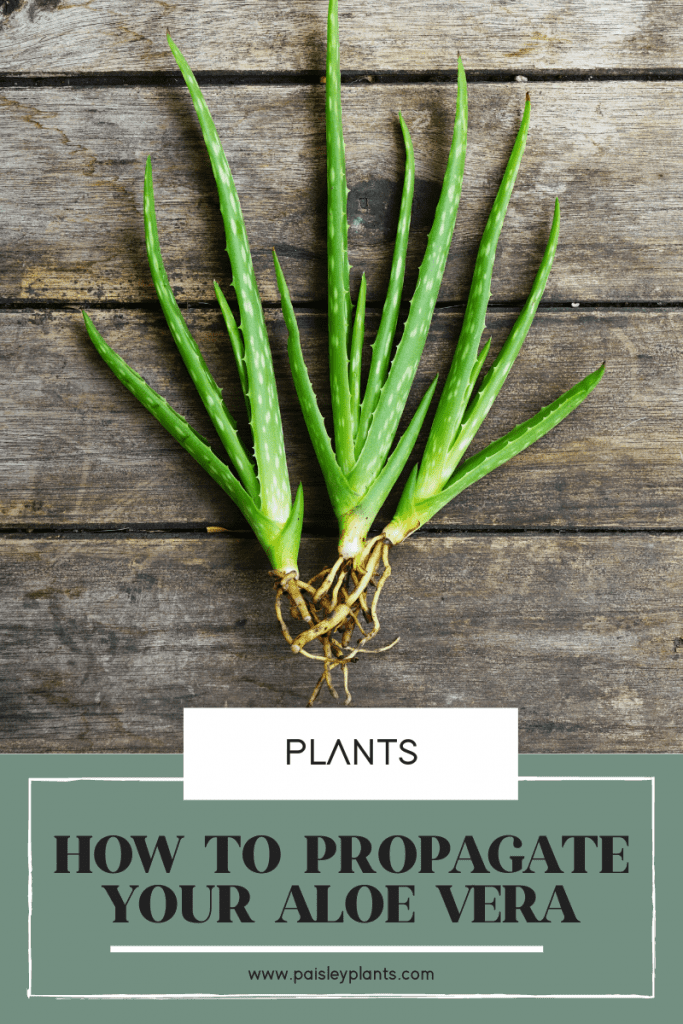
When those little aloe pups reach about 3 inches tall and have their own tiny roots poking out, they’re basically miniature plants ready to go solo. Growing aloe from seed? That’s a marathon—sometimes taking six months or more without guaranteed success. Offsets skip that slow stage because they come pre-equipped with roots. But here’s the catch: pups are delicate little souls. They need breathing room after separation before you toss them in fresh soil. If you want a complete overview of aloe plant propagation and care, this article complements the detailed steps covered here.
How to Separate Aloe Offsets Without Killing Them
Step 1: Wait Until They’re Actually Ready
I used to yank at any pup that seemed loose enough—big mistake. Now I wait until pups are firm, plump, at least 3 inches tall, and clearly have roots visible at their base. If they don’t have roots yet, you’ll either lose them or have to baby them for months, which is frustrating.
Step 2: Clean Tools Are Non-Negotiable
A dull or dirty blade invites rot like a magnet. Before every cut, I wipe my paring knife or garden scissors with rubbing alcohol. It’s a small step that saved me from losing offsets to bacterial browning more than once.
Step 3: Soften Soil and Loosen Gently—No Yanking!
The day before separating offsets, water lightly around the plant base—not soaking wet—just enough so the soil crumbles easily. Then gently tease soil away from each pup’s roots with fingers or a small tool. If the roots cling too tightly, make a clean cut through connecting roots instead of pulling hard. For tips on choosing the right soil and watering amounts, see our advice on ideal soil and watering for aloe plants.
Step 4: Callousing Is Magic—Don’t Skip It!
Once separated, place each pup on a dry windowsill for 1-2 days without potting immediately. This lets the cut ends form a callous—a natural seal that prevents rot later on. I know waiting feels counterintuitive when you’re excited, but rushing this step caused me more losses than anything else.
Potting Your Aloe Offsets Right
After callousing:
- Soil Mix: Half cactus potting mix and half perlite works perfectly for drainage and moisture retention.
- Pots: Shallow terracotta pots with drainage holes are ideal—they wick away extra moisture better than plastic.
- Planting Depth: Cover just the roots; don’t bury leaves or stems or they’ll rot quickly.
Watering and Light—Less Is More Here
This part trips up most beginners:
- Wait at least 3-4 days after planting before watering.
- Use your finger to check soil moisture: only water when it feels dry about an inch down.
- Keep soil barely moist—never soggy.
- Place pots in bright indirect light; avoid blasting full sun on tender new leaves.
One offset of mine turned into mush overnight after I watered too soon—it was a harsh lesson in patience.
What Growth Looks Like (And Why Patience Wins)
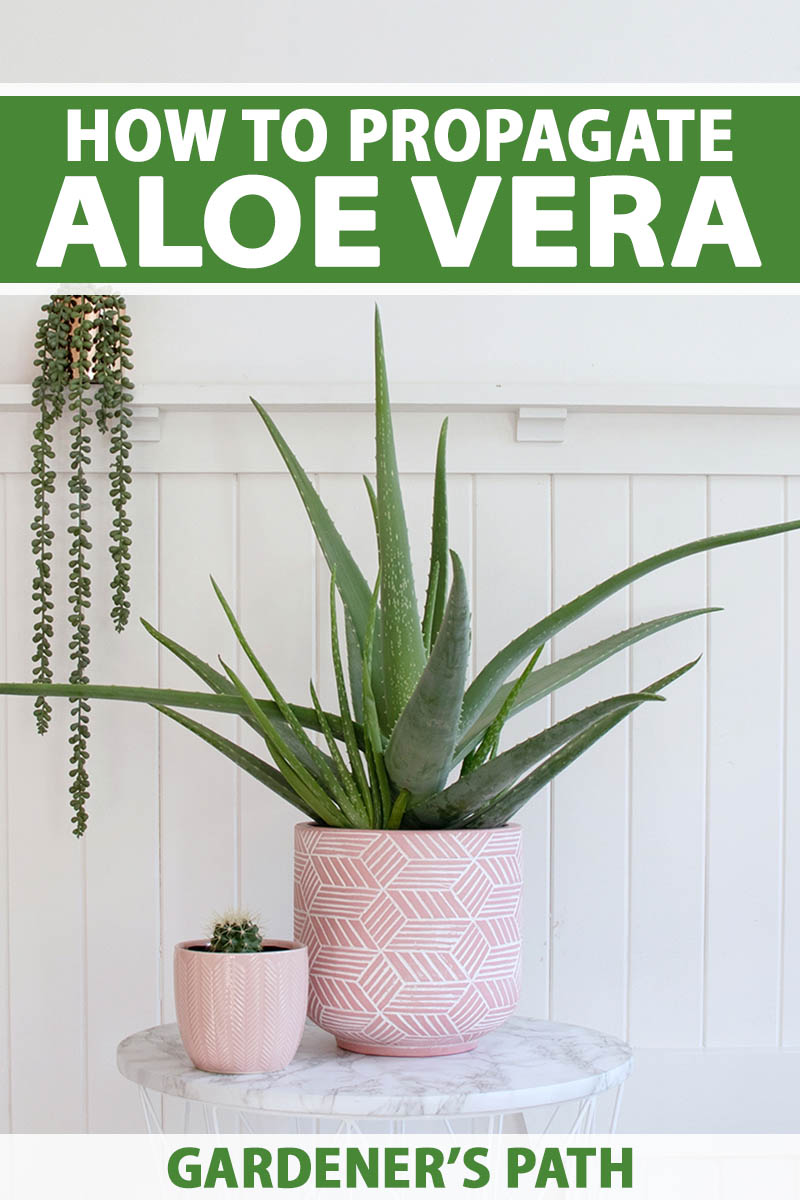
Expect new root or leaf growth anywhere between 3 to 6 weeks under good conditions. I had one offset take nearly two months because I fussed over it too much—moving it around and watering prematurely didn’t help. Aloe pups thrive on slow rhythms; impatience kills more than pests do.
Troubleshooting From My Experience
-
Shriveled offset after callousing?
Probably too dry air during drying—if your home is arid, shorten callous time to 24 hours or mist lightly. -
Brown mushy leaves?
Classic overwatering or poor drainage—double-check your soil mix and pot choice. -
Offsets failing to root?
Only separate offsets with established roots; ones without need more time attached or rooting hormone experiments (which rarely pay off). For more on preventing common issues, see our guide to common pests and diseases that affect aloe plants.
The Simple Truth Most Guides Miss
Waiting is everything here: waiting for pups to be ready, waiting for callouses to form, waiting before watering again—and most importantly waiting for growth without interference. My biggest mistake was rushing because I thought watering right away was necessary “to keep them alive.” Nope—that eagerness killed more pups than anything else.
Also, forget full sun at first—it’s too harsh on young pups who prefer gentle indirect light until established.
My One Big Tip for Every Beginner
Don’t treat aloe propagation like a race. These plants live on slow patience and subtle care—not force or speed. Tune into their pace: wait times between watering, gentle lighting—and you’ll not just propagate plants but learn patience itself in green form.
Quick Checklist Before You Start
- Wait until pups are ≥3 inches tall with visible roots.
- Have clean sharp knife/scissors ready + perlite-cactus soil mix.
- Lightly water parent plant day before separating.
- Gently free soil around pups; cut connecting roots if needed—don’t pull hard.
- Let offsets dry on an airy surface for 1–2 days (callous time).
- Plant shallowly in well-draining pots (terracotta preferred).
- Wait 3–4 days post planting before light watering.
- Keep in bright indirect light; avoid direct sun initially.
- Watch patiently for growth over next 4–6 weeks.
- Adjust watering if leaves brown/shrivel—remember less is more!
Propagating aloe offsets isn’t about fancy tricks—it’s about quiet observation and gentle hands. Trust me: slowing down feels weird when you want instant results but it pays off big time with healthy pups thriving under your care. Give yourself permission to go slow; your aloe babies will reward you with lush green growth—and maybe even send new pups your way sooner than you expect!


