Propagation Techniques for Adenium Obesum: Seeds, Cuttings, Grafting
When I first started propagating Adenium obesum, I dove headfirst into every “standard” tip I found online: soak seeds overnight, plant cuttings immediately after cutting, keep soil constantly moist. Spoiler alert—those well-meaning instructions nearly killed half my plants and cost me months of wasted time. Looking back, I realize Adenium propagation isn’t a one-size-fits-all deal; it demands patience and subtle tweaks that most beginner guides skip over. For a deeper understanding, check out this comprehensive guide to Adenium Obesum care to complement your propagation efforts. So, here’s the reality nobody tells you about seeds, cuttings, and grafting—and how to turn those pitfalls into your advantage.
Why Traditional Advice on Adenium Propagation Often Fails
You’ve probably heard that seeds offer diversity, cuttings bring speed, and grafting combines the best traits. That’s true—but only if you handle each method with care and understand the delicate details. For example:
- The usual “keep soil moist” advice for seed germination? That’s actually perfect for inviting damping-off fungus, which wiped out 70% of my first batch.
- Planting cuttings immediately after snipping? Forget it. Without letting the wound dry and callous properly, you’re inviting rot.
- And grafting? Most tutorials skip the critical post-graft environment—you can’t just tape things up and forget it.
In 2020, my first seed attempt was a disaster—I used regular potting soil and kept it damp under a plastic dome. Within a week, most seeds rotted away. Switching to a gritty 50/50 perlite-sand mix and watering sparingly bumped germination from 30% to nearly 90%. It wasn’t luck—it was mastering moisture control down to the drop.
Seeds: Embrace Slow Growth to Build Resilience
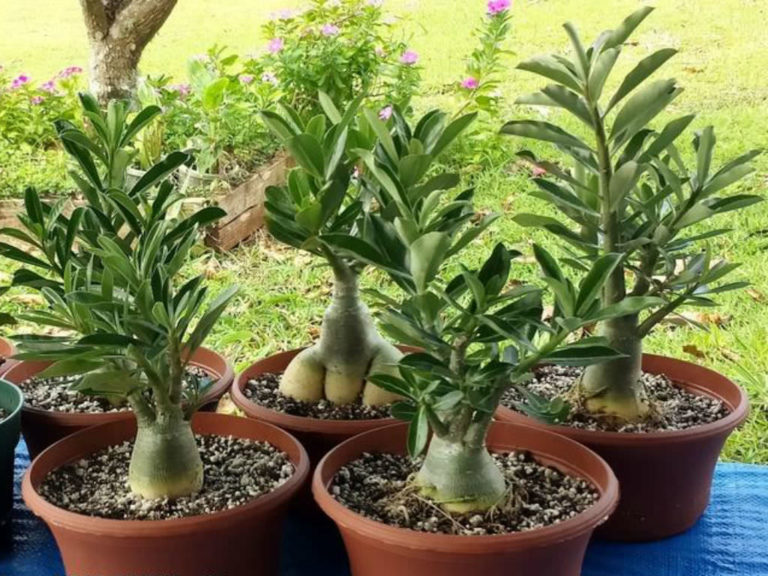
Want quick flowers? Seed-grown Adeniums aren’t your shortcut—they take 12-18 months before flowering. But here’s what many don’t tell you: seeds develop natural roots over time, producing thick caudexes that make your plant tougher in the long run.
Now here’s the kicker—watering less often during early seedling stages actually helps caudex swelling by mimicking natural dry periods. In a recent project with a small landscape agency, we split seedlings into two groups: watered daily vs. every five days. The “drier” group leafed out a little slower but grew trunks almost twice as thick at six months.
So don’t panic if your seedlings look slow at first—that slow build is strength in disguise.
Cuttings: Don’t Skip the Drying Step (Seriously)
Everyone says “cut it and plant it right away,” but after dozens of failures—often ending with soggy rot within two weeks—I learned to wait a full 24 hours for wounds to dry in indirect light before planting.
This drying phase lets the cutting form a protective callous that seals against infection—a step I initially thought was just wasting time. Skipping it cost me about 40% of cuttings.
Also, rooting hormones are game changers. I use Hormex #8 powder (which contains indole-3-butyric acid or IBA—a natural hormone that encourages root growth). Using this boosted my success rate from around 60% up to almost 90%. Just dust it lightly on the wound before planting—don’t go overboard!
For more on shaping and preparing Adenium cuttings, see pruning and shaping Adenium Obesum for bonsai and ornamental use.
Grafting: Master Timing and Microclimate Control
Grafting Adeniums isn’t just about matching cuts and tying tight—it’s about creating the perfect healing environment afterward.
I’ve seen beginners drown their grafts or plop them in full sun immediately—which is like signing the union's death warrant due to fungal infection or drying out.

Here’s what actually works (from dozens of successful grafts since 2019):
- Use a small humidity chamber or DIY clear plastic box with ventilation holes—not sealed domes.
- Keep temperature steady around 80°F (27°C) using a heat mat with thermostat control.
- Avoid watering directly on the graft—mist around instead.
- Wait two full weeks before carefully testing if you can remove ties; premature loosening usually causes failure.
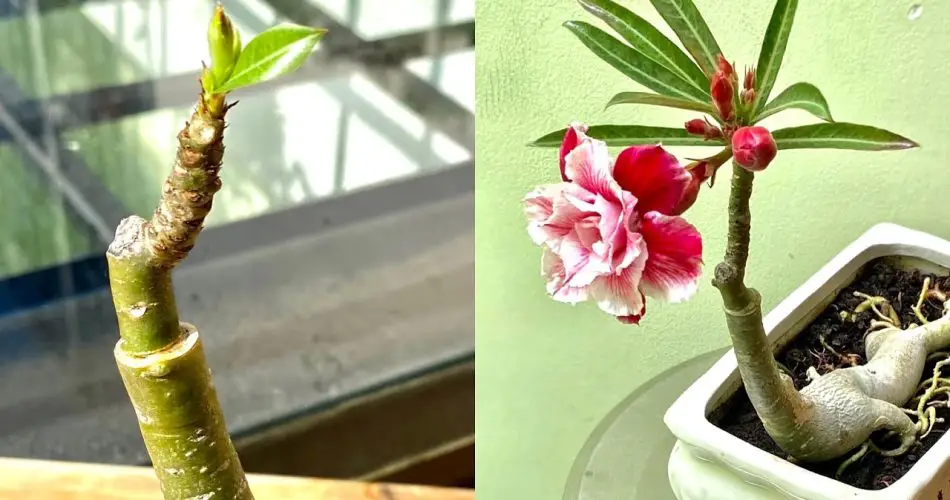
One memorable success was grafting a rare red-flowered scion onto vigorous white-flowered rootstock in spring. Instead of rushing watering, I trusted air humidity alone—and by week three, the union was flawless; new shoots popped up at five weeks.
Choosing Your Propagation Pathway: A Strategic Approach
Forget “fast” vs “diverse”—think about what fits your goals and patience level:
- Seeds: Best if you want genetic variety and solid caudex development—and aren’t in a hurry. Use gritty soil mix; water sparingly.
- Cuttings: Great for cloning specific traits quickly but require strict drying steps and rooting hormone use.
- Grafting: Premium choice for combining vigor and flower colors while speeding flowering times—but demands microclimate control and patience during healing.
A client once told me they initially avoided grafting because it seemed complex—after trying it though, they cut flowering time from two years (seed-grown) down to six months while preserving hybrid colors perfectly.
Troubleshooting Real Problems
- Rot: Usually caused by overwatering + poor drainage. Switch to gritty media (perlite + coarse sand), water sparingly especially early on.
- Low Germination: Use fresh seeds (<3 months old). Store unused ones in paper envelopes inside sealed plastic bags at ~4°C fridge temp.
- Cutting Failures: No roots after three weeks? Check if drying step was skipped or if overwatering happened.
- Graft Rejection: Often from mechanical damage or fungus—always use sterilized blades; keep conditions warm/humid but avoid direct sun exposure or water on unions.
The Single Most Important Lesson From Years of Adenium Propagation
Patience with moisture is everything—even more than fancy tricks. Every failure I had could be traced back to too much water at vulnerable stages or rushing steps like drying wounds or waiting for graft unions to heal properly.
If you take away only one thing: let your plant tell you when it's ready instead of forcing progress prematurely.
That means feel soil dryness before watering seedlings/cuttings; check scion firmness before removing graft ties; resist daily watering urges—even if your instincts scream otherwise!
I definitely wasted a week watering like crazy before learning this hard way—but once I did, my success rate jumped from less than half viable plants to consistently thriving collections blooming year after year.
Ready to Start?
- Pick your method based on timeline & goals.
- Prepare gritty propagation media—50% perlite or coarse sand mixed with potting soil.
- For seeds:
- Sow shallow (~¼ inch deep)
- Keep warm (~80°F / 27°C)
- Mist lightly instead of saturating
- For cuttings:
- Let wounds dry fully (~24 hours) in indirect light
- Dust with Hormex #8 rooting hormone (contains natural hormone IBA)
- For grafting:
- Secure tight unions
- Use humidity-controlled environment (ventilated plastic box)
- Avoid direct watering on join site; mist surrounding air
- Keep detailed notes & photos weekly—it helps catch problems early.
- Join niche forums like Adenium Society International for climate-specific tips & community support.
For more detailed cultural requirements and care advice, refer to the complete overview of Adenium Obesum.
Quick Tips Summary Box
| Method | Key Tip | Common Mistake | Success Rate Boost |
|---|---|---|---|
| Seeds | Use gritty mix & water sparingly | Constantly moist soil → rot | ~90% germination with proper moisture control |
| Cuttings | Dry cut ends 24 hrs + Hormex #8 | Plant immediately → rot | Rooting success jumps from ~60% to ~90% |
| Grafting | Stable warmth + ventilated humidity chamber | Water on union → fungus/drying | Reliable unions within 2–3 weeks |
Remember: propagation is as much an art as science—with practice comes intuition. So don’t get discouraged by setbacks—they’re part of learning this beautiful plant’s quirks! If you ever wonder why your cuttings just turn mushy or why seedlings stall—ask yourself: am I rushing this? Am I drowning my plants?
Stick with these nuanced tips—your Adeniums will thank you with years of stunning blooms and healthy growth ahead!


