Propagation Techniques for Alligator Plants: A Simple Guide That Works

When I first tried propagating my alligator plant—Alocasia, not to be confused with pothos—I thought I had it all figured out. I followed every tutorial to the letter: cut a 5-inch stem, strip the bottom leaves, plop it in water, and wait patiently. Weeks went by. Nothing. No roots. Nada. I even started wondering if my plant secretly hated me. For a more detailed understanding of this fascinating plant, check out this comprehensive guide to alligator plant care.

Turns out, there are sneaky little traps that kill your cutting’s chances before you even realize what’s wrong. Let me share the exact mistakes I made—and how I finally cracked the code to get those tiny roots popping up reliably.
The Mistakes Nobody Warned Me About (That Almost Ruined My Cuttings)
Mistake #1: Underestimating Temperature
“Keep it warm,” they say. Easy enough, right? Nope. My place drops below 68°F at night and that was enough to stall root growth completely. It’s not just about being “room temp” — your cutting wants a steady 75°F or higher.
Once I switched to an orchid heat mat (those things are magic for sensitive plants), roots showed up in under three weeks instead of dragging on over a month.
Mistake #2: Treating Thick Alocasia Stems Like Vines
I dunked my entire cutting underwater thinking, “Hey, vines love this!” Wrong move. The stem got brown and mushy around day five — classic stem rot.
Here’s the trick: only submerge the node itself—the little bump where roots will sprout—not the whole stem. Too much wood underwater invites rot like a party no one wants to attend.
Mistake #3: Blasting Cuttings with Direct Sunlight
More light = faster rooting? Not here. My south-facing window turned my leaves crispy within hours and stopped root growth cold.
Instead, go for bright but filtered light—like an east-facing window with gentle morning sun that warms without scorching.
How I Finally Got It Right (and You Can Too)
At my small design agency, we keep plants to boost morale—our pride and joy is an Alocasia “Alligator Mask.” When it came time to multiply it for our office jungle, I used everything above:
- Snipped a firm 5-inch stem just below a visible node
- Removed only the lowest leaves that would sit underwater
- Placed the cutting in filtered water inside a clear glass jar
- Set that jar on an orchid heat mat holding steady at about 77°F
- Loosely covered with a plastic bag propped open by bamboo skewers for airflow and humidity
- Positioned near an east-facing window where sunlight is bright but indirect
And guess what? By day 18, tiny white roots peeked out—something I’d never seen before despite earlier attempts. By week four, those roots grew 2 inches long and ready for soil.
Soil Propagation: Trickier Than Water—but Worth It
Most people say water propagation is easier because you can watch roots grow. True—but soil propagation builds stronger root systems if you nail the environment. For more tips on creating the perfect environment for your Alocasia, see this complete overview of alligator plant care.
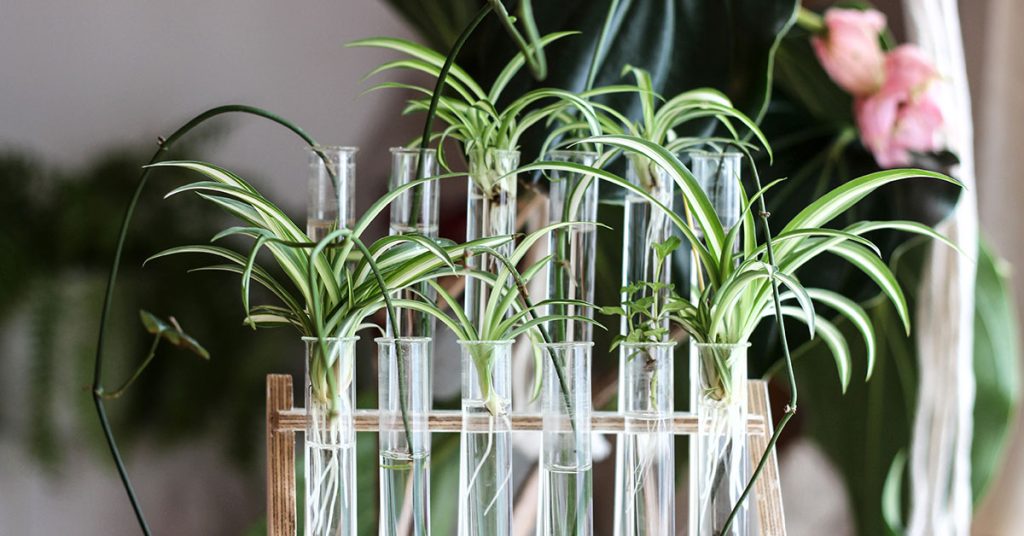
When I planted cuttings directly into moist peat-based soil:
- Roots took almost a full month to appear
- Cuttings wilted at first from humidity stress
- Success only came after daily misting and placing trays of water under pots for extra humidity
Soil propagation demands patience but builds resilient plants ready for real life.
Quick Troubleshooting Guide
Cutting turns brown or mushy before roots appear?
You’re probably dunking too much stem underwater or sealing your cutting in airtight plastic—fungal rot loves that! Submerge only the node and open bags daily for fresh air. For advice on preventing and managing these issues, see common pests and diseases affecting alligator plants.
No roots after 3 weeks?
Check your temperature—is it consistently above 70°F? Too cold slows metabolism drastically. Also, make sure lighting isn’t too dim or too harsh; find that sweet spot of filtered brightness.
Leaves yellowing or shriveling?
Humidity is almost always the culprit here. Remember: Alocasias come from tropical rainforests—they hate dry air around their cuttings.
The Single Most Important Thing You Need to Know
Forget rushing or juggling every method at once—focus obsessively on stable warmth and humidity first. Those two factors outweigh everything else in giving your cutting a fighting chance.
Your Simple Action Plan (What To Do Today)
- Grab sharp scissors or pruning shears (I swear by Fiskars—they stay sharp after many snips).
- Snip a healthy stem about 4–6 inches long just below a node with swollen bumps where roots grow.
- Remove any leaves near that node so none touch water or soil and risk rotting.
- Choose your route:
- Water: Use filtered (or rested) water in a clear glass jar so you can watch progress without disturbing roots.
- Soil: Pick a peat-based mix with perlite for drainage.
- Place your cutting on an orchid heat mat set around 77°F (you can find affordable ones online).
- Cover loosely with clear plastic propped open by bamboo skewers for airflow and humidity control—don’t seal airtight!
- Put your jar or pot near an east-facing window for indirect morning sun—not blazing afternoon rays!
- Mark Day 18 on your calendar—check eagerly for those first tiny white root tips!
- Once roots reach 1–2 inches long, gently pot into well-draining tropical soil mix designed for Alocasias.
Final Thoughts: From Frustration to Rooting Success
I remember staring at my first successful alligator plant cutting like I’d cracked some secret nature code—not because propagation is rocket science but because it demands respect for subtle details most guides skip over like they’re boring footnotes.
If you keep tweaking temperature and humidity until they’re just right—even stubborn Alocasias will reward you with vibrant new roots faster than expected.
So don’t throw in the towel after one or two failures—that frustration means you’re learning exactly what this exotic beauty truly needs to thrive.
Your alligator plant tribe is waiting to multiply—and now you hold the keys to make it happen!
If your cutting still looks like it’s sulking, try these tricks:
- Give it more consistent warmth (maybe tuck it near a heater—not too close!)
- Increase humidity gently—misting daily or adding a pebble tray helps immensely
- Double-check you’re only submerging nodes, not stems
Trust me, once those first white root tips appear, you’ll feel like you just won the plant lottery—and honestly? That moment makes every failed attempt totally worth it.
Happy rooting!


