Pruning and Propagation Techniques for Healthy Abutilon Growth

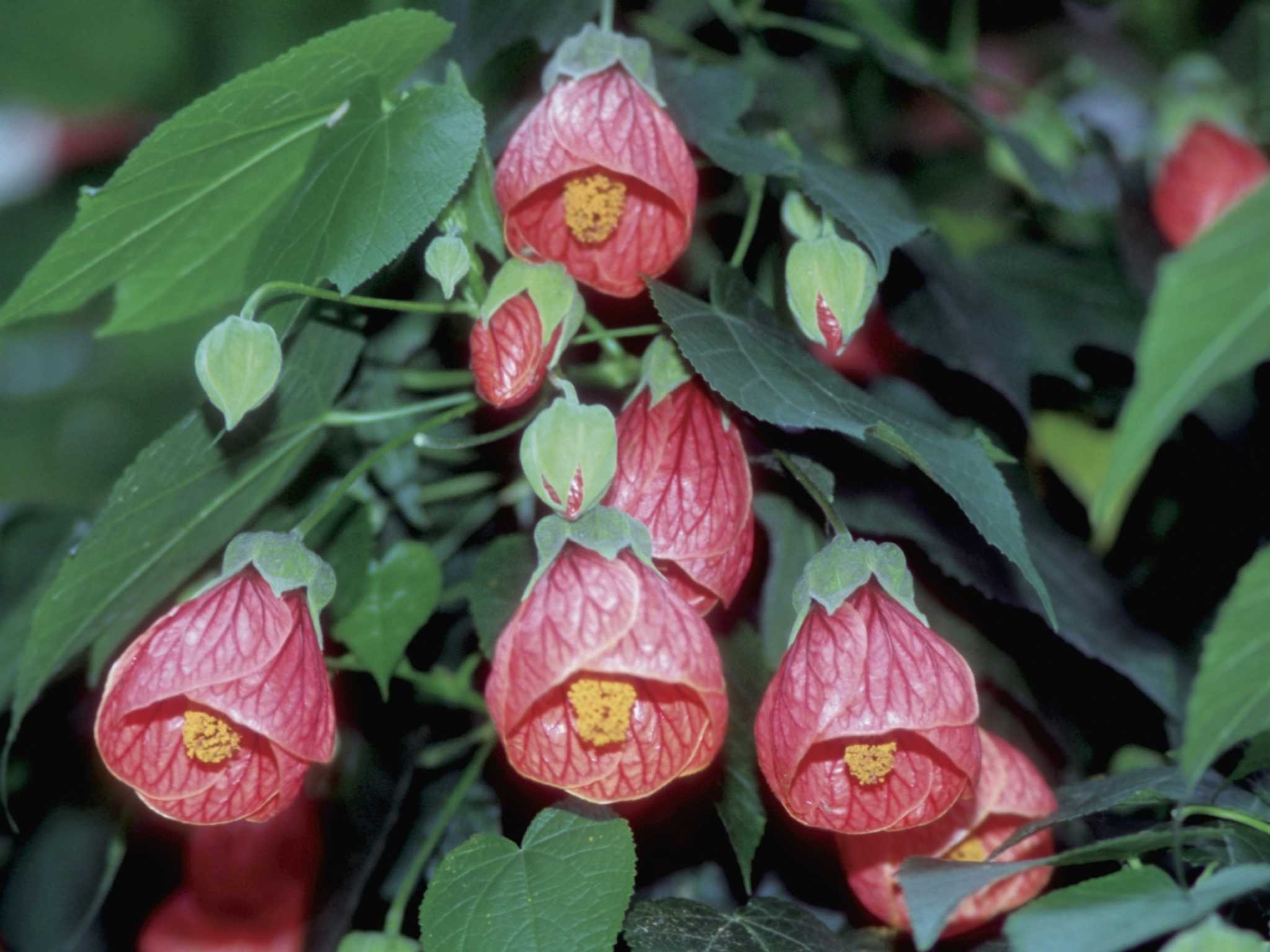
The first time I pruned my Abutilon, I was honestly nervous. It was early spring, and the plant looked like it had been stretched out too thin—long, skinny stems with hardly any flowers. I hesitated with my shears, worried I might ruin months of careful growth. After a few seasons of trial and error (and some regrettable mistakes), I finally found a pruning and propagation routine that reliably brings these charming “Chinese lantern” plants back to life, bursting with blooms. If you want a deeper understanding, check out this comprehensive guide to Abutilon plant growth and care.

Let me share what really works—no fluff, just practical steps you can trust.
Why Pruning Abutilon Is More Than Just Cutting Back
Most advice you’ll find says things like “prune hard” or “wait until early spring,” but that’s not quite enough. Timing and which branches you cut make a huge difference.
For example, when I helped set up an office indoor garden with four coworkers, their Abutilons got really droopy and slow to bloom after aggressive pruning—cutting back half or more of the plant right before leaves fully emerged shocked them badly. They sulked for weeks with barely a flower in sight.
The key? Trim only about one-third of the oldest, woodier stems near the base just as buds begin to swell, usually mid-to-late March if you’re in a temperate climate. At this stage, the plant is waking up but not fully active yet; pruning now encourages it to channel energy into fresh growth rather than struggling to hold on to old wood. For a complete overview of the Abutilon’s growth habits and secrets, see this complete overview of Abutilon plant care. For ideas on how to incorporate these plants after pruning, consider using Abutilon plants in garden design and landscaping.
The Tools and Techniques That Saved My Abutilon
I used to grab whatever scissors were nearby until a gardening friend pushed me to invest in Felco bypass pruners (around $70). Suddenly, pruning became smoother and healthier for the plant. Dull blades crush stems instead of cleanly slicing them, raising infection risk and slowing healing—something I learned the hard way after losing some branches to rot.
Here’s my step-by-step process:
- Sanitize your tools with isopropyl alcohol between cuts. Early on, I skipped this step sometimes and paid for it with bacterial rot.
- Spot old vs. new growth: Old stems are darker brown with rough bark; new shoots are green and flexible. Only remove those older woody ones.
- Cut just above a leaf node or where branches split: Too low stresses the stem unnecessarily; too high leaves ugly stubs.
- Remove dead or damaged branches completely: They sap energy without giving anything back.
- Clear fallen leaves or debris around the base: This prevents fungal spores from settling in damp soil.
After following this routine last March, tiny green shoots appeared within 10 days—before it used to take weeks. By mid-May, my Abutilon was bursting with flower buds again.
If you want to learn more about protecting your plant from threats, understanding common pests and diseases affecting Abutilon plants and how to treat them can be a real lifesaver.
Propagation: Why Your First Cuttings Might Fail (And How To Fix It)
Propagating Abutilon can feel like black magic if humidity and soil conditions aren’t right—I’ve been there!
My very first cuttings wilted or rotted within a week because I kept them under a sealed plastic bag with no airflow and soaked soil. Lesson learned: balance moisture and air circulation carefully.
Here’s what actually worked after three summers of tweaking:
- Take 4-6 inch softwood cuttings from healthy stems in late May or early June.
- Remove leaves from the bottom half (to reduce evaporation) but keep at least two pairs on top.
- Dip cut ends in rooting hormone powder (I use Hormex). Trust me—it makes rooting way more consistent.
- Use a well-draining mix: 50% peat moss + 50% perlite works best for me.
- Plant cuttings deep enough so they’re stable but don’t bury leaves touching soil.
- Cover pots loosely with clear perforated plastic bags—humidity without suffocation.
- Keep soil moist but never soggy—too much water kills cuttings faster than too little.
After about three weeks, gently tug each cutting. If there’s resistance, roots have formed. At four weeks, pot them individually for best results.
Counterintuitive Lessons Learned Over Time
- Everyone says prune aggressively for better branching; my experience says keep cuts under 30%. Too much stress means flowering gets delayed by months.
- Many say hardwood cuttings are fine—but softwood ones root much faster (3-4 weeks vs 6+ weeks) and do better indoors.
- Overwatering propagation trays is way more common than underwatering—stick your finger about an inch deep; if it feels dry, water gently.
- Sanitizing tools between every cut isn’t just fussiness—it saves headaches down the line.
Why All This Matters: Real-Life Impact
I once worked with a small urban farm whose Abutilons were leggy disasters—pruned too late or badly propagated—and they lost half their plants every year. Once we switched to these timings and techniques, survival rates jumped from 40% to over 85%. That saved them roughly $200 every season on replacements alone.
Your Abutilon needs more than random trimming—it needs smart cuts timed with its natural growth plus careful propagation conditions if you want it thriving year after year.
What To Expect Next & A Little Encouragement
If you’re new at this, it’s normal to feel hesitant before making that first cut or taking your first cutting—it took me several tries before I got comfortable! Remember: patience beats panic snips every time.
Watch closely for swelling buds before pruning—that’s your cue—and give your plant time to recover afterward (you’ll see fresh shoots slowly pushing out). When propagating, aim for steady humidity without drowning your cuttings and keep tools sanitized like your life depends on it—because your plant’s health kind of does!
Abutilons reward careful observation and thoughtful care with lush leaves and bright flowers that feel like real victories when they bloom again.
If you’re interested in bringing Abutilon indoors, understanding how to grow and care for Abutilon plants indoors can help you adapt these techniques to indoor environments.
Quick Checklist for Healthy Abutilon Pruning & Propagation
Pruning
✓ Prune mid-to-late March when buds swell
✓ Cut back only ~1/3 of oldest woody stems near base
✓ Use sharp Felco-style bypass pruners
✓ Sanitize blades between cuts
✓ Cut just above leaf nodes/branch junctions
✓ Remove dead/damaged branches fully
✓ Clear fallen debris around base
Propagation
✓ Take 4–6 inch softwood cuttings late May–early June
✓ Strip lower leaves; keep 2+ pairs at top
✓ Dip ends in rooting hormone powder
✓ Use 50/50 peat moss + perlite mix
✓ Plant cutting deep enough for stability but no leaf-soil contact
✓ Cover loosely with perforated plastic bag for airflow
✓ Keep soil moist but not soggy
✓ Check roots by gentle tug after ~3 weeks
You’ve got this! Those lanky stems won’t know what hit ’em next spring—and your Abutilon will thank you with glowing lantern-like flowers that brighten even dull days.
Ever felt like you’re hacking away only for plants to sulk? This approach saves you from that frustration—trust the timing, respect recovery pace, keep things clean—and watch your “Chinese lantern” glow brighter year after year.


