Pruning and Shaping Your Abelia for Healthy, Vigorous Growth
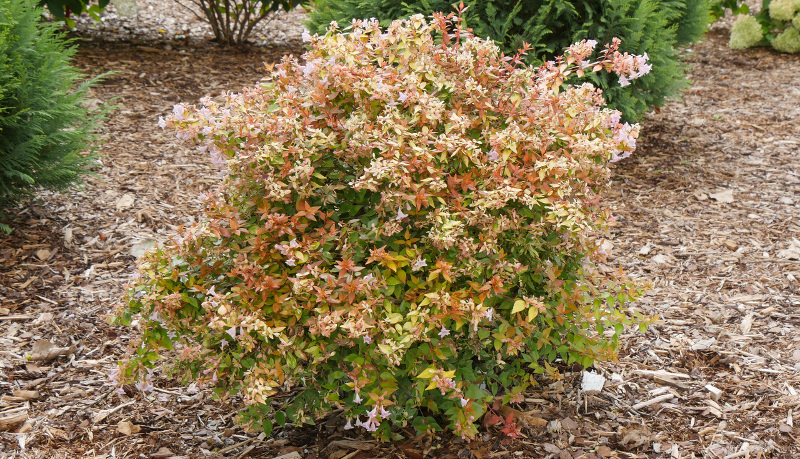
When I first brought home my Abelia, its glossy leaves and delicate trumpet-shaped flowers made me swoon. But a few months in, that charm wore off—my plant stretched out like a rebellious teenager with zero boundaries: leggy, uneven, and frankly, kind of wild. I naively thought pruning was just about hacking away whatever looked messy. Turns out, there’s a rhythm to it—a subtle dance most advice misses. For a comprehensive guide to Abelia plant growth and care, understanding the basics will really help you get the timing and technique right.

After plenty of trial and error (and some serious plant guilt), I figured out pruning Abelia isn’t about brute force; it’s about gentle encouragement. It’s slow, patient work—more coaxing than commanding. Let me share the steps that took my scraggly shrub from garden embarrassment to lush showstopper.
When to Prune? Late Winter Is Your Best Bet
I made the rookie mistake of pruning in July once. The flowers had already faded, and cutting then didn’t spark new blooms—it only stressed the plant out. Lesson learned.
Now, I wait until late February or early March—just before the buds start to swell but after the worst frost has passed. In my USDA zone 7b backyard, that’s usually mid-March. This window is key because Abelias flower on new wood. Cut too late—in summer or fall—and you’re snipping off next season’s flowers before they even get a chance.
My neighbor in zone 8 used to prune during early winter and ended up with a sad-looking bush every spring. She switched to early spring pruning like me—and her Abelia bounced back beautifully. For more on ideal growing conditions and seasonal care, check out this complete overview of Abelia plant growth and care.
Clear Out Dead Wood and Old Stems Like a Detective
This was a game changer for me. Instead of rushing into shaping from the top down, I learned to step back and inspect closely: Which branches are dead or brittle? Which ones are weak or awkwardly crossing?
Armed with sharp Felco bypass pruners (seriously, invest in good tools—they make all the difference), I cut dead wood right at ground level first. Then came the surprise move: trimming back about one-third of the oldest stems near their base.
Most guides barely mention this step—but after trying it myself, my sparse bush morphed into a thick tangle of shiny new shoots within weeks.
One summer when I skipped this step out of laziness? My Abelia looked straggly and disappointing all season long. The following late winter, after a hard prune on those old stems? Buds exploded everywhere by May—like clockwork.
Shape Gently — Less Is More
Here’s where I see lots of gardeners stumble: They go at it with too much gusto, hacking back half the shrub in one day. Been there—I did exactly that once and ended up with bare sticks looking shocked and sad.
Think sculptor, not lumberjack. Trim lightly around the edges—just enough to keep a nice rounded shape without cutting more than 20–30% of total growth at once.
My neighbor once chopped hers back by half impulsively. Recovery was slow; flowers were sparse for months afterward. This year she followed my advice: smaller cuts spread over multiple seasons—and now her Abelia is thriving again. If you want ideas on how to incorporate your well-shaped Abelia into your garden, see tips on using Abelia plants in landscape design.
Keep It Tidy with Small Touch-ups All Summer
Abelias don’t need dramatic pruning every few weeks—just light grooming here and there during warm months.

Every 4–6 weeks, I grab my Fiskars micro pruners for quick snips: leggy shoots gone, spent flowers clipped off gently. This little routine keeps growth full without stressing the plant.
Real-Life Proof: From Scraggly to Stunning
A friend had an Abelia so tall it looked like it forgot how to be full at the base—imagine a mop missing its handle! Last February we worked together:
- Removed every dead or weak branch
- Cut back roughly 30% of old stems close to soil
- Lightly shaped outer edges
- Did light pruning monthly through summer
By August? Her shrub was dense with glossy leaves and vibrant blooms everywhere she looked. She called it magic—but really? It was patience plus smart cuts.
What I’ve Learned (Sometimes the Hard Way)
- Don’t go overboard: Cutting more than one-third at once shocks your Abelia badly.
- Timing matters: Prune too late = no flowers next year.
- Keep tools sharp: Blunt shears give ragged wounds that take ages to heal.
- Prune dead wood promptly: Ignoring dry twigs invites pests like aphids who love closed-in spaces. For advice on managing these issues, see common pests and diseases affecting Abelia plants.
- Patience is key: Growth takes time—it won’t happen overnight but trust me, it will come.
Why Does This Approach Work?
Abelias bloom on fresh growth each year. By cutting old stems before buds break, you redirect the plant’s energy into pushing out new shoots loaded with flower buds—not just maintaining tired old wood.
Removing dead branches also opens up light and airflow channels so leaves stay healthy—and pests stay away.
So really, pruning is more like gently nudging your shrub toward its best self—not beating it into shape.
What I’d Tell My First-Time Pruning Buddy
Don’t rush or fear every cut—it’s about steady encouragement over drastic punishment. Your Abelia wants to thrive; your job is simply guiding it by removing what holds it back and shaping patiently over time.
Remember: each snip is part of a conversation between you and your plant—not a battle won or lost in one day.
Ready To Start? Here’s Your Simple Checklist:
- Grab sharp Felco bypass pruners (and gloves—you’ll thank me later).
- Choose a dry day in late winter/early spring (mid-March if you’re zone 7).
- Step back and identify:
- Dead branches — cut these right at soil level
- Weak or rubbing branches — thin them out carefully
- Roughly one-third of oldest stems near soil — prune these hard
- Lightly trim outer edges for shape (no more than 20–30% growth removed)
- Dispose clippings away from garden beds (don’t compost diseased wood!)
- Every 4–6 weeks during growing season, do light grooming: snip leggy shoots & spent flowers gently
- Watch your Abelia glow as fresh growth bursts forth
Pruning doesn’t have to be scary or complicated—it boils down to knowing when to cut, how much to cut, and having patience for nature’s pace.
After seeing my own Abelia transform from awkward teenager into garden star over six months using this method—I promise you’ll feel empowered too.
Think less “gardener wielding shears” and more “artist shaping living beauty slowly but surely.”
Happy pruning! And don’t forget—the first few cuts might feel nerve-wracking; that’s totally normal. You’re learning together with your plant!


