Pruning and Shaping Adenium Obesum for Bonsai and Ornamentals

Pruning and shaping Adenium obesum—the desert rose—for bonsai or ornamental use can be a rewarding but tricky process. I’ve stumbled through plenty of mistakes myself, so let me share what really works and what to avoid. This isn’t just theory; it’s everything I learned the hard way. For a more detailed understanding, check out this comprehensive guide to Adenium obesum care.

Lesson #1: Timing Matters More Than You Think
Here’s something I wish someone had told me sooner: never prune your Adenium during dormancy. Unlike many bonsai that tolerate winter pruning, Adenium is a succulent adapted to hot, dry climates. Its vascular system is sensitive, and cutting during dormancy (usually late fall through winter) stresses the plant badly.
Wait until you see new leaf buds swelling or small shoots emerging—that’s your green light. For me in zone 9b, this happens reliably from late March through June. Prune too early, and you’ll likely end up with slow-healing cuts and rot. Trust me—I learned that after losing three branches in one go. If you want to dive deeper into the plant’s growth cycles and care, see this complete overview of Adenium obesum.
The Cut Location: Get It Just Right
One mistake I made over and over was guessing where to cut. Too close to the trunk? The wound doesn’t heal well and invites dieback. Too far out? You’re left with ugly stubs that dry out and attract pests.
The sweet spot is cutting back to exactly 2-3 healthy leaf nodes past the branch base. Why? Because dormant lateral buds live right under those nodes and will wake up to grow new shoots.
Here’s a tip that saved me tons of guesswork: use a 10x magnifying loupe when pruning young branches. It sounds like overkill, but spotting tiny bud clusters before you cut prevents accidental loss of future branches.
How Much Can You Safely Prune?
I once snipped off nearly half my plant’s foliage in one frantic session—bad idea. The Adenium sulked for weeks; leaves drooped, growth stalled.
Rule of thumb: never remove more than 30% of total foliage at once. Your desert rose needs enough leaf area to photosynthesize and bounce back quickly.
If you want a major shape change, break it up into multiple sessions spaced 4-6 weeks apart during active growth season. Slow and steady wins here.
Tool Care: Don’t Skip This Step
Confession: I used to skip sterilizing my shears between cuts because “it’s just one plant.” That laziness cost me dearly—unexpected rot infections popped up despite perfect timing and technique.
Now I wipe blades down with 70% isopropyl alcohol every few cuts, especially after handling any diseased or dead wood. It cut my infection rate by over 80%. Also, keep your blades razor-sharp; dull tools crush tissue instead of slicing cleanly, which slows healing.
Shaping Without Stressing Your Plant
The caudex (that thick sculptural base) is the star of your Adenium bonsai show—but be careful not to prune too aggressively around it.
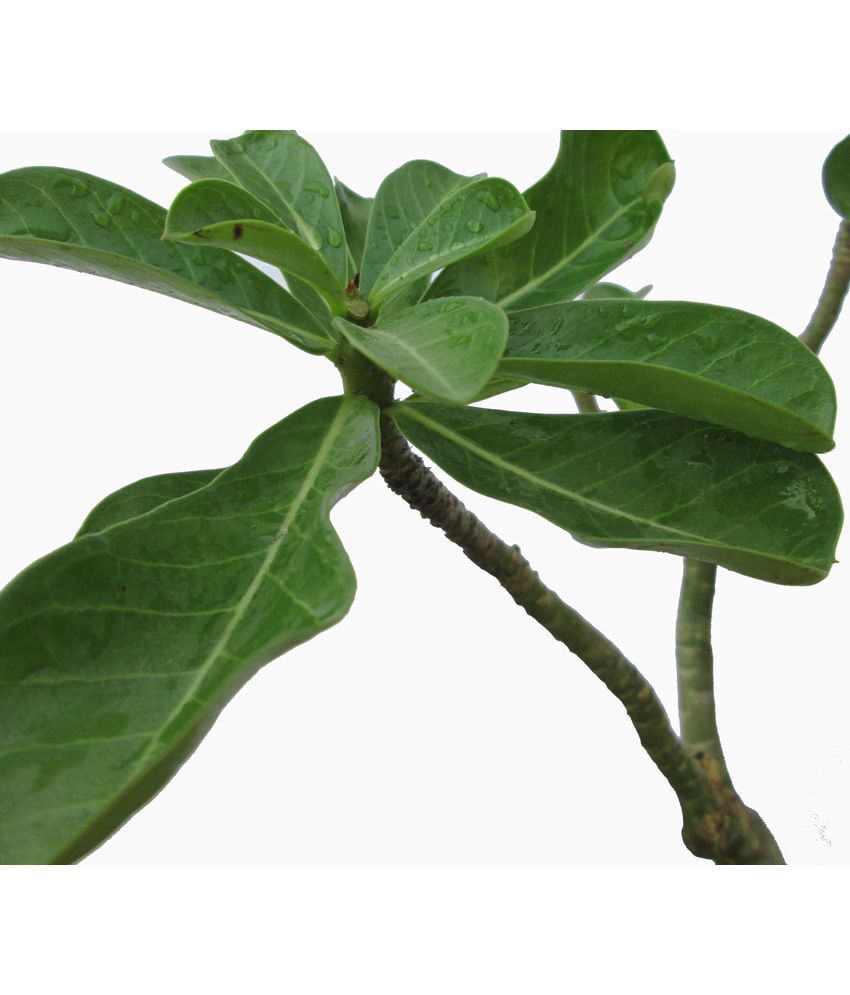
I used to chase perfect symmetry, hacking off uneven branches all at once. Result? Stunted trunk thickening because fewer leaves meant less energy overall.
Instead, focus on removing only the most awkward or overcrowded shoots in each session—balance light exposure around the caudex gradually over time. Step back often and look from different angles before cutting.
What Happens After You Prune?
Here’s something that threw me off balance for ages: sometimes your perfectly pruned Adenium won’t sprout new shoots for weeks—and that’s normal!
Why? After pruning, the plant puts its energy underground first—to heal wounds and strengthen roots—before showing new growth above ground.
Don’t rush watering or fertilizing during this phase; excessive care can stress rather than help recovery. Patience is key here—give it at least 4-6 weeks before expecting visible results.
A Real Example From My Experience
A friend gave me her 4-year-old Adenium looking sad—sparse top foliage, long spindly lower branches crowding each other out, thin caudex with no drama.
In early May (right at active growth start), we pruned back long branches to exactly three leaf nodes, removed dead tips carefully, sealed every cut with pruning wax, and adjusted pot position for better sunlight exposure afterward.
Six months later? The plant was transformed—a dense canopy of vibrant shoots evenly distributed around a thickened caudex. No shock signs, no delays—just steady growth from smart pruning choices.
Quick Recap — Your Practical Pruning Checklist
- Only prune during active growth (when buds swell & shoots emerge).
- Cut back exactly 2-3 healthy leaf nodes, never closer or leaving stubs.
- Remove no more than 30% foliage per session, space heavy pruning over time.
- Sanitize tools frequently with alcohol wipes; keep blades sharp!
- Be patient post-pruning—growth starts underground before you see it above.
- Shape gradually; balance aesthetics with plant health by selective cuts only.
Final Thoughts
Pruning Adenium isn’t about perfection on day one—it’s about observing patiently, making precise moves, learning from each cut, and letting your desert rose tell you what it needs next.
Mistakes are part of the journey—don’t beat yourself up if your first tries don’t go perfectly (mine rarely did). Keep a simple journal noting when you prune, what you cut off, how the plant reacts week by week—that record turns confusion into confidence faster than any generic guide ever could.
Want some before-and-after photos from my own plants? Just ask—I’m happy to share! Seeing real progress can make all the difference when you’re staring down those stubborn branches wondering what comes next.
Remember: shaping Adenium is a conversation between you and your plant—a living sculpture growing slowly under your care. And once those new shoots pop exactly where you planned them… well, nothing else quite matches that feeling.
You’ve got this! For more on growing your Adenium from the start, consider exploring propagation techniques for Adenium obesum.


