How Safety Protocols Boost Worker Health in Aluminum Plants
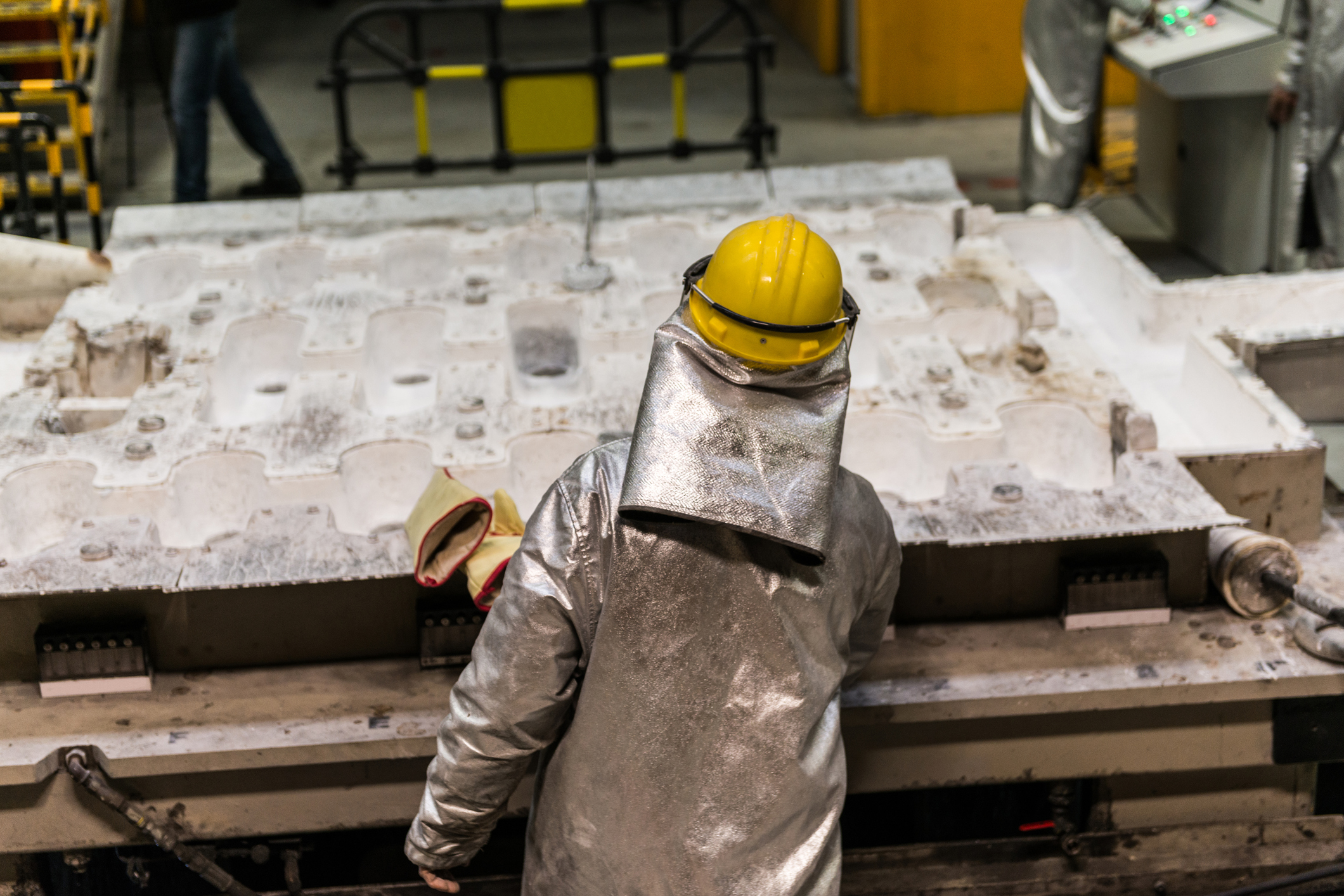
When I first stepped into the safety lead role at a mid-sized aluminum plant with about 150 workers, I thought the protocols on paper—ventilation, PPE, training—were enough. Turns out, that was a bit naive. The biggest hazards often come from what you can’t see or measure quickly: tiny alumina dust particles, fluoride gases leaking through cracks, or workers quietly overheating under their gear. These invisible risks chip away at safety day by day, and no checklist alone will catch them. For a comprehensive guide to aluminum plant operations and safety, understanding these hidden dangers is crucial.

Aluminum Plant Hazards: More Than Molten Metal
People often picture molten metal and big machines when they think “aluminum plant danger.” But after months walking the floor, I realized the real threats are often subtle and sneaky. For example:
- Operators near smelting lines kept complaining of eye irritation and coughs for months.
- Our ventilation system checked all the boxes on paper but wasn’t stopping dust escape.
- Why? The local exhaust ventilation (LEV) ducts were placed based on generic specs, not tuned to our specific airflow patterns.
- Duct hoods were just too far from where dust was actually generated.
These kinds of gaps don’t show up in standard audits but silently harm health over time. For more on the technologies involved in aluminum production, see key equipment and technologies used in aluminum manufacturing.
Ventilation: Don’t Fall Into the Dilution Trap
Here’s a rookie mistake that caught us off guard: assuming pumping more fresh air fixes airborne contaminants. It doesn’t—it just spreads them evenly throughout the plant, exposing more people.
The breakthrough was installing targeted LEV systems right at emission points like smelter hoods and alumina transfer stations. We added continuous air quality monitoring using DustTrak II sensors for particulate matter and electrochemical detectors for fluoride gases. These devices alerted us before exposure limits were reached.
But here’s something I didn’t expect: filters clog rapidly—in high-use zones sometimes in as little as three weeks—so maintenance can’t be an afterthought. Early on, we treated filter changes as secondary to production uptime, which backfired with compromised air quality before health screenings caught it.
Your takeaway: Don’t just rely on dilution ventilation; get your LEV system designed specifically for your workspace airflow patterns. Set a strict maintenance schedule for filters and ducts—don’t let it slip because “production is busy.” For more on efficient plant design and ventilation strategies, see our complete overview of aluminum plant safety and production.
PPE: It’s Not Just About Having Gear
We had piles of N95 masks and heat-resistant gloves stocked up but still saw injuries and complaints. Why?
Because availability ≠ correct usage.
Early observations showed workers pulling masks below noses or reusing disposable gloves until they looked ragged—not because they were careless but because of discomfort and fatigue during long shifts.
We switched to PAPRs (powered air-purifying respirators) in high-exposure zones. The difference? Workers reported breathing easier in hot areas, and respiratory-related absenteeism dropped almost 40% over six months.
Also: proper training on how to put on (don) and take off (doff) PPE matters more than you’d guess. A quick demo video plus hands-on practice during onboarding helped reduce contamination risks caused by instinctively touching faces or reusing dirty gloves.
Try this: Run surprise PPE spot checks during shifts and ask workers about comfort issues honestly—sometimes small tweaks make a big difference in compliance.
Training That Actually Sticks
I once thought handing out manuals at orientation was enough—big mistake!
Real training is ongoing muscle memory-building:
- We moved to quarterly emergency drills plus monthly “toolbox talks” focused on recent near misses or hazards workers flagged themselves.
- After an unreported chemical spill revealed fear of repercussions, we launched an anonymous hazard reporting app (we used SafetyCulture iAuditor).
- These practical sessions made emergency responses instinctive instead of panicked fumbling.
It took about nine months before accidents dropped noticeably and fire drill evacuations became smooth.

Pro tip: Tailor toolbox talks to your plant’s unique hazards—not generic stuff—and encourage open worker input without judgment. Trust builds safety culture.
Health Screenings: Catch Trouble Early
Baseline spirometry tests before hiring plus six-month follow-ups helped us catch lung function decline early in one worker. Moving him away from high dust exposure prevented chronic illness down the line.
We also added skin checks after noticing fluoride-linked irritations among maintenance crews handling treated metals without liners.
Heat stress monitoring during summer shifts saved multiple workers from exhaustion by adjusting break schedules and hydration protocols proactively—not waiting until someone collapsed.
Action step: Set up regular health screenings targeting respiratory, skin, and heat stress risks common in aluminum plants—don’t wait for symptoms to appear visibly.
The Hard Truth About Compliance
Even perfect systems fail if workers don’t buy in. Early resistance wasn’t stubbornness; it came from tight production deadlines making safety feel like an annoying speed bump.
I remember a veteran operator bluntly asking during a briefing: “Why fix what ain’t broken?” Instead of arguing back, I shared stories of colleagues who suffered long-term illnesses decades ago from ignored dust exposure. That honesty shifted attitudes far more than memos ever could.
Budget limits meant ventilation upgrades rolled out over 18 months in phases—a test of patience—but we kept trust alive with transparent communication about timelines and trade-offs.
Remember: Safety is human work—it needs empathy alongside rules. Build trust by telling real stories and showing visible wins even if progress feels slow.
Visible Wins Build Momentum
One year after layered ventilation controls plus better PPE and revamped training:
- Respiratory complaints dropped 30%
- Zero lost-time injuries related to chemical exposure
- Monthly air quality reports posted publicly boosted awareness
- Safety star teams got recognized regularly
We did have setbacks—false alarms from sensitive gas detectors caused alarm fatigue—but consultation with occupational hygienists helped us fine-tune thresholds without compromising safety.
What I’d Tell My First-Time Safety Lead Friend
Don’t assume protocols on paper mean they work on the floor. Get hands-on:
- Measure actual airflow patterns yourself or with specialists instead of trusting design specs blindly.
- Watch how PPE is really used during shifts—observe quietly without jumping to conclusions.
- Insist on repeated practical training tailored to your plant’s unique hazards.
- Most importantly, listen deeply to worker feedback without judgment—even when it’s uncomfortable to hear.
Safety isn’t a checklist; it’s hundreds of small decisions every day shaping culture over time. Focus on continuous improvement—even slow gains add up to real protection for your team’s health and lives.
Start now with these quick steps:
- Audit your LEV capture points versus actual emission sources using smoke tubes or portable particle monitors.
- Run surprise PPE usage spot checks during busy shifts—note proper fit and wear time.
- Schedule a toolbox talk next week focused on one invisible hazard like fluoride gas or heat stress.
- Check filter replacement logs for high-use areas—are changes happening frequently enough?
- Organize a quick anonymous worker survey about barriers to wearing PPE consistently or reporting hazards honestly.
Trust me—the peace of mind after learning these tough lessons firsthand is worth every effort—even when the path isn’t perfect or easy.
You’re not alone in this challenge; every plant has its quirks. Keep digging beneath surface compliance toward genuine safety culture—it saves lives every day.


