Seasonal Care Tips for Aeonium Plants: Data-Driven Insights
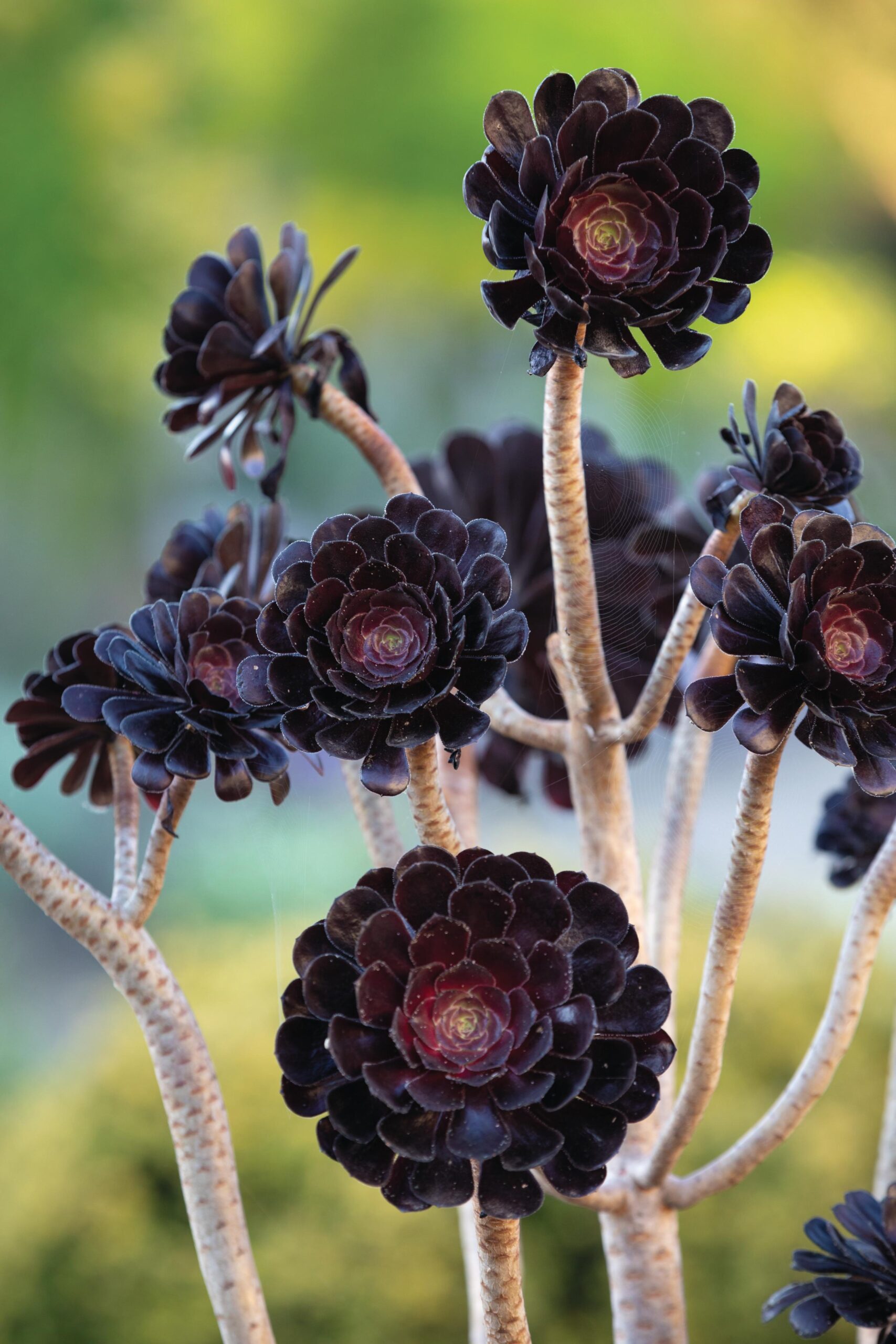
When I first got my Aeonium, I did what most succulent lovers do: treated it like every other hardy desert plant. Bright, blazing sun. Weekly watering. Minimal fuss. Big mistake. By the end of that first summer, those glossy rosettes—once full and vibrant—looked dull, shriveled, and downright sad. The kicker? No one warned me Aeoniums are seasonal divas with care routines that flip completely depending on the time of year. If you want a deeper dive into their unique needs, check out this comprehensive guide to Aeonium plant care and growth.

Here’s the blunt truth no one tells you: If you treat Aeoniums like your typical succulents all year long, you’re setting yourself up for frustration and stressed-out plants. Their biology demands a rhythm tuned to their native Mediterranean climate—wet winters and dry, hot summers—not the usual “water when dry” rule.
What Most People Get Wrong About Aeonium Care
-
Treating them like desert cacti in summer
I watched helplessly as my plant’s leaves scorched under relentless afternoon sun despite my best efforts to water regularly. The mistake? Assuming all succulents thrive under baking summer sun. Aeoniums go dormant in heat and prefer shade during those months to avoid leaf burn. -
Ignoring seasonal watering shifts
It’s tempting to keep a steady watering schedule all year, but in summer their roots rot easily if soil stays moist too long. Come fall and winter growth spurts, they need more regular moisture or they’ll turn leggy and weak. For tips on choosing the right soil and feeding routine to support these seasonal changes, see best soil and fertilizer for healthy Aeonium growth. -
Overfertilizing during growth periods
After dumping a strong tropical fertilizer on mine in fall (rookie error), I watched it shed leaves like crazy. Too much nitrogen or too frequent feeding stresses these plants more than it helps.
Learning To Listen To My Aeonium’s Seasonal Rhythm
Aeoniums have this fascinating cycle: active growth in cooler months (roughly October through April) and dormancy during hot summers (May through September). Once I understood this wasn’t just advice but the key to keeping them healthy, everything changed—for the better.
Here’s how I cracked their seasonal code:
Summer: The Dormant, Survival Mode Nobody Talks About
The classic mistake: Overwatering and blasting full sun.
For around 3 months each summer, my Aeonium looked pitiful because I kept treating it like an Echeveria—plenty of water and direct sunlight. Leaves yellowed with crispy edges—the textbook signs of stress no beginner guide explains well.
What finally saved it:
- Watering once every 2–3 weeks max—and only when the soil was bone dry (I rely on a moisture meter now; finger tests can fool you).
- Moving pots to bright but indirect light by late morning; no more brutal afternoon sun.
- Completely stopping fertilizer until dormancy ends—they simply won’t process nutrients well now.
One July, I tucked my pot behind a sheer curtain on the balcony to filter out harsh sun rays. Ten days later? Fresh rosettes unfurled with glossy new color—it was like watching a miracle happen.
Fall & Winter: The Growth Season Where You Can Easily Go Too Far
You might think more water + fertilizer = happy Aeonium—but nope, not really.
My rookie error: Flooding soil and overfeeding in hopes of fast growth.
What worked instead: consistent but moderate watering about every 7–10 days depending on temperature—and a very diluted succulent fertilizer every 4–6 weeks (I use half the recommended dose on the label). Bright indirect light or gentle morning sun fuels steady growth without frying tender leaves.
Spring: Why Pruning Dead Leaves Makes or Breaks Your Plants
Come springtime, dead leaves pile up at the base like forgotten junk traps. For way too long, I ignored this mess until fungal spots appeared—and aphids moved in for free rent under those dead leaves.
Lesson learned? Prune dead foliage right at the base every spring. It massively improves airflow and slashes pest problems before warm weather hits. For more on managing pests and diseases that can affect Aeoniums, check out common pests and diseases affecting Aeonium plants. For more on overall Aeonium maintenance, see this complete overview of Aeonium plant care and growth.

Transition Periods: Pay Close Attention To Your Plant’s Body Language
Aeoniums aren’t shy about saying when things are off:
- Wrinkled leaves? They want less water — dormancy is coming.
- Mushy or translucent leaves? Overwatering alert — dry soil immediately!
- Brown crispy edges? Sunburn or dehydration — move to shade or tweak watering.
During transitions (think spring into early summer), shifting watering by just a few days can mean lush rosettes… or leaf drop disaster.
Real-Life Trial: What Four Pots Taught Me About Location & Care
I once cared for four different Aeoniums across two balconies with wildly varying conditions:
- South-facing pots burned badly mid-summer despite shading attempts—too much afternoon sun still sneaking through!
- West-facing pots thrived better with consistent indirect light throughout the day.
- One indoors under grow lights survived winter without stretching into awkward legginess common with low natural light exposure.
- Another outside braved cold snaps because I brought it indoors before temps dropped below 38°F (3°C).
That experiment convinced me: location matters seasonally just as much as watering or feeding routines do.
Final Pro Tip Nobody Mentions: Observe More Than You Schedule
Most guides push fixed watering plans (“every X days”), but your local climate, pot size, soil type—even humidity—will change how your Aeonium acts. Instead of sticking religiously to a calendar date, check soil moisture with a probe or finger test—and watch leaf texture closely during seasonal shifts.
Your plant will tell you what it needs if you pay attention!
What I’d Tell Every New Aeonium Owner
Stop trying to force your plant into year-round growth mode. Embrace its dormancy period as an essential rest phase instead of neglecting it—or worse—overwatering “just in case.” Trust me, patience here pays off with solid spring growth and stunning rosettes that last year-round without drama.
Aeoniums are quirky but incredibly rewarding if you stop treating them like generic succulents and start respecting their seasonal dance. After years of trial-and-error mistakes (and some near-loss moments), tuning into their rhythms transformed mine from struggling scraggly plants into lush beauties—even surviving harsh summers beautifully.
Get ready for your own “aha” moment when those glossy rosettes bounce back from dormancy bursting with color because you finally learned to dance with your plant’s seasons instead of fighting them.
Quick Seasonal Checklist for Your Aeonium
Summer (May–Sept)
- Water only when soil is completely dry (~every 2–3 weeks)
- Provide bright indirect light; avoid afternoon sun
- Stop fertilizing completely
Fall & Winter (Oct–Apr)
- Water moderately every 7–10 days depending on temperature
- Use diluted succulent fertilizer once every 4–6 weeks (half strength)
- Give bright indirect light or gentle morning sun
Spring Cleanup
- Prune dead leaves at base to improve airflow and reduce pests
Year-Round Observations
- Wrinkled leaves = cut back watering soon
- Mushy leaves = overwatered; dry soil immediately
- Brown edges = adjust shade/watering
Feel free to scribble this checklist next to your pots—it may just save your plant someday!
Got questions? Struggling with stubborn rosette issues? Shoot me a note—I’ve been there too and love swapping war stories about these beautiful little drama queens!


