Seasonal Care Tips for Allium: From Planting to Winter Rest

I still remember planting my first Allium bulbs—the strange, onion-like spheres tucked beneath the soil, promising dazzling purple blooms months later. But that first season was a lesson in patience and humility. I planted too late, in soggy clay soil, and ended up with weak shoots that barely survived winter. It felt like the bulbs were silently telling me, “Hey, you’ve got to respect our pace.” Since then, I’ve learned that growing Alliums well is less about rushing and more about tuning into their natural rhythms. For those new to Alliums, I recommend starting with this comprehensive guide to Allium plant growth tips to get a solid foundation before diving into seasonal care.
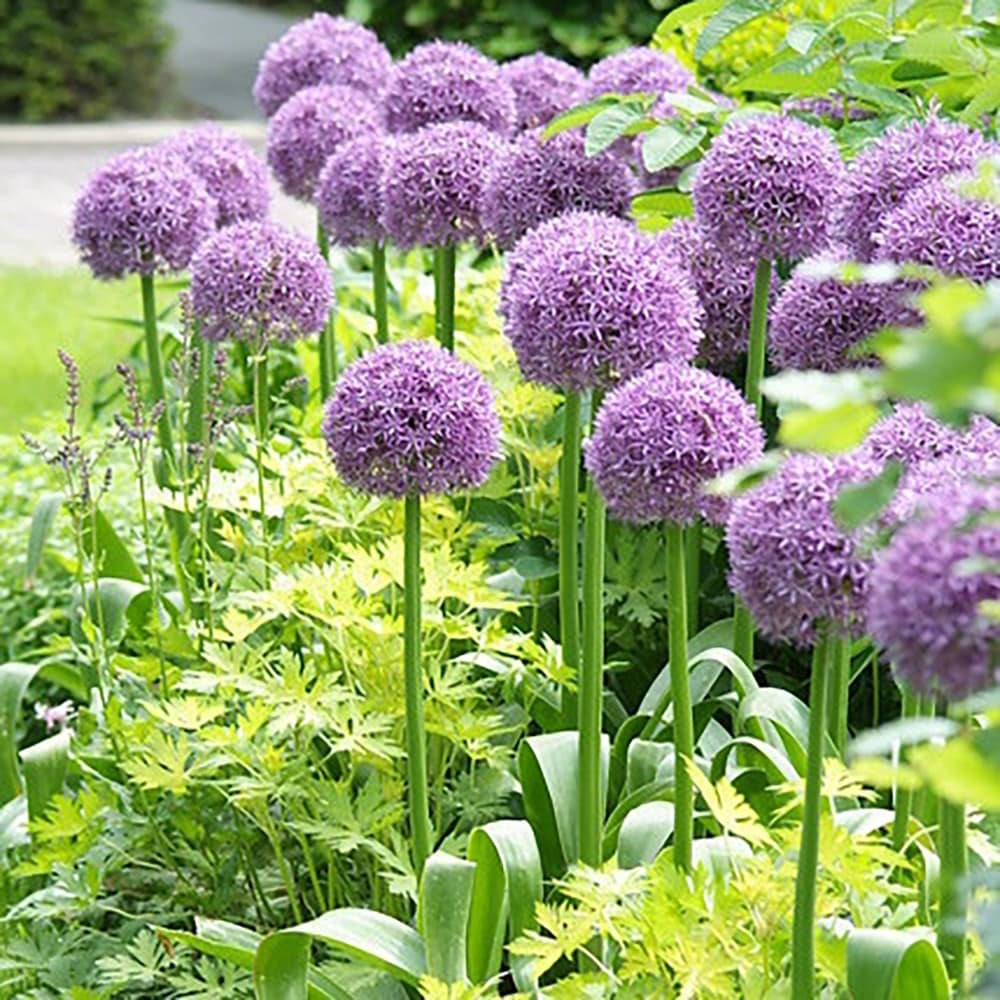
Here’s a straightforward guide to seasonal care for Alliums—from planting through dormancy—that will save you some headaches and help your bulbs thrive year after year.
Fall: Planting with Patience and Purpose
When: Mid-October through mid-November (before the ground freezes)
How deep: About 5 inches deep
Spacing: Around 6-8 inches apart
Soil: Well-drained—amend heavy clay with sand or compost (aim for about 20-30% organic material)
Planting Alliums at the right time is crucial. I once planted bulbs in December, thinking “better late than never,” but they struggled to root and barely flowered the next spring. The soil needs to be cool but not frozen so bulbs can establish roots slowly without rushing growth.
One big mistake I made early on: ignoring drainage. Alliums hate soggy feet. If your soil stays wet for days after rain, rot will set in quickly. Mixing in coarse sand or plenty of compost creates a stable environment where bulbs feel safe enough to invest energy into root growth.
And don’t skimp on sun! Aim for spots with at least six hours of direct sunlight daily. Less than that? Expect smaller flowers because your plants won’t be able to photosynthesize enough energy for those iconic globe-shaped blooms.
Quick tip: Before planting, press your finger into the soil—if it feels waterlogged or sticky, amend it until it’s crumbly and drains well.
For more details on how to nurture Alliums in your garden, see how to grow and care for Allium plants in your garden.
Winter: Trusting Dormancy (Even When It’s Hard)
Winter is when all visible growth stops—but underground, bulbs are quietly storing energy for next year’s show.
This phase taught me one of the toughest lessons: less is more. I used to water through winter “just in case,” but too much moisture invited rot and fungal problems instead. Now, I water only if there’s been no rain for several weeks and soil feels bone dry.
A light mulch layer of straw or shredded bark helps keep soil temperature steady without suffocating roots. Think of it as a gentle blanket that protects without smothering.
Psychologically, this stage requires you to step back and resist the urge to fuss over your plants. It’s hard not seeing anything happen above ground—but trust me, nature’s working exactly as it should down below.
Spring: Encouraging Growth Without Overdoing It
Spring is exciting! New shoots appear and buds swell—it feels like a green light to jump in with watering and feeding.
But here’s a personal confession: I once watered daily “to be safe” and ended up with yellowing leaves from rot. Plants need boundaries too.
Water deeply but infrequently—about once a week if there hasn’t been rain—so roots grow strong and deep instead of shallow and weak.
Feed your Alliums twice a month during active growth with a balanced fertilizer like 10-10-10 (that means equal parts nitrogen, phosphorus, potassium). This boosts stems and flowers without overwhelming the bulbs.
Keep an eye out for pests like aphids or thrips—they’re usually minor nuisances on Alliums but worth monitoring. A gentle spray of diluted soapy water often does the trick without harsh chemicals. For advice on managing common issues, check out Allium plant pests and diseases: identification and treatment.
Early Summer: The Art of Waiting After Bloom
This is where many gardeners stumble—including me at first. Right after flowering ends, it feels natural to cut back leaves immediately because they look messy or tired.
Don’t do it!
Those leaves are solar panels capturing sunlight to convert into carbohydrates stored back in the bulb—a vital energy bank for next year’s blooms.

Watch those leaves slowly yellow and fade over 6-8 weeks. Yes—it looks scruffy—but this slow decline is essential.
I remember standing over my patch thinking, “Ugh, can’t I just tidy up?” Resisting that urge was key; waiting patiently rewarded me with bigger flowers the following spring.
Late Summer: Preparing for Rest
Once leaves turn completely brown and dry, trim them back gently.
Now reduce watering gradually as bulbs enter dormancy—their metabolic activity slows down underground, so excess water invites rot rather than growth.
If you live somewhere humid or have wet summers (like I do), consider lifting bulbs out of heavy soil after foliage dies back. Let them dry for 2-3 weeks in a warm airy spot before replanting in fall. This simple step saved me from losing several bulbs to rot one summer when rains didn’t quit!
For more on multiplying your Allium collection, see propagation techniques for Allium plants: seeds, bulbs, and divisions.
Why These Rhythms Matter More Than You Think
What ties all these seasonal steps together is a mindset shift: successful Allium growing isn’t about controlling every detail but attuning yourself to natural cycles—and resisting impatience.
From planting at just the right moment to letting leaves die back naturally without interference, each stage asks you to slow down, trust biology’s timing, and accept that shortcuts often lead nowhere good.
This mental shift—from trying to force results toward coexisting with rhythms—is what transforms gardening from frustrating trial-and-error into rewarding partnership with your plants.
Real-Life Example: Rooftop Garden Success
I worked recently with four urban gardeners who struggled with compacted rooftop soil that held water like a sponge—a nightmare for Alliums.
We built raised beds filled mostly with sandy loam amended about 30% by volume with compost for drainage and fertility. Bulbs went in mid-October at 5 inches deep spaced 7 inches apart. Watering was strictly once weekly during growth phases—and they waited patiently before cutting foliage until fully yellowed.
Year one brought modest blooms; year two? Spectacular purple globes attracting bees amid succulents and herbs—a true rooftop oasis bloom blast!
Their takeaway? Gardening Alliums became “weirdly therapeutic,” teaching them not just about plants but slowing down themselves—a win-win lesson in patience and presence.
The Single Most Important Insight
If you take away one thing from all this let it be this:
Respect what’s happening underground—from root establishment in fall through energy storage after bloom—and plan your care around those hidden processes rather than visible impatience.
That mindset changes everything—from when you plant to how long you wait before trimming foliage—and sets you up for years of reliable blooms instead of frustration or disappointment.
For a complete overview of Allium plant growth tips, this perspective is essential to keep in mind.
Quick Checklist: Seasonal Care at a Glance
| Season | Key Actions | Tips & Reminders |
|---|---|---|
| Fall | Plant bulbs 5” deep; amend soil; full sun | Avoid soggy soil; plant by mid-November |
| Winter | Minimal watering; light mulch | Resist temptation to water too much |
| Spring | Water deeply once/week; fertilize twice/month | Watch pests; don’t overwater |
| Early Summer | Leave foliage until fully yellow/brown | Don’t cut leaves early |
| Late Summer | Cut back dead leaves; reduce watering | Lift bulbs if wet/humid conditions |
Gardening Alliums isn’t always easy—there will be moments when nothing seems visible above ground or when patience wears thin. But if you tune into these rhythms—even when they test your nerves—you’ll find yourself rewarded season after season by those glowing purple spheres lighting up your garden...and maybe even lighting up your own sense of calm along the way.
So go ahead—tuck those bulbs into their cozy fall beds knowing you’re not just planting flowers but cultivating patience itself. And trust me—it pays off more beautifully than you might expect.


