Best Soil and Fertilizers for Optimal Alocasia Polly Growth
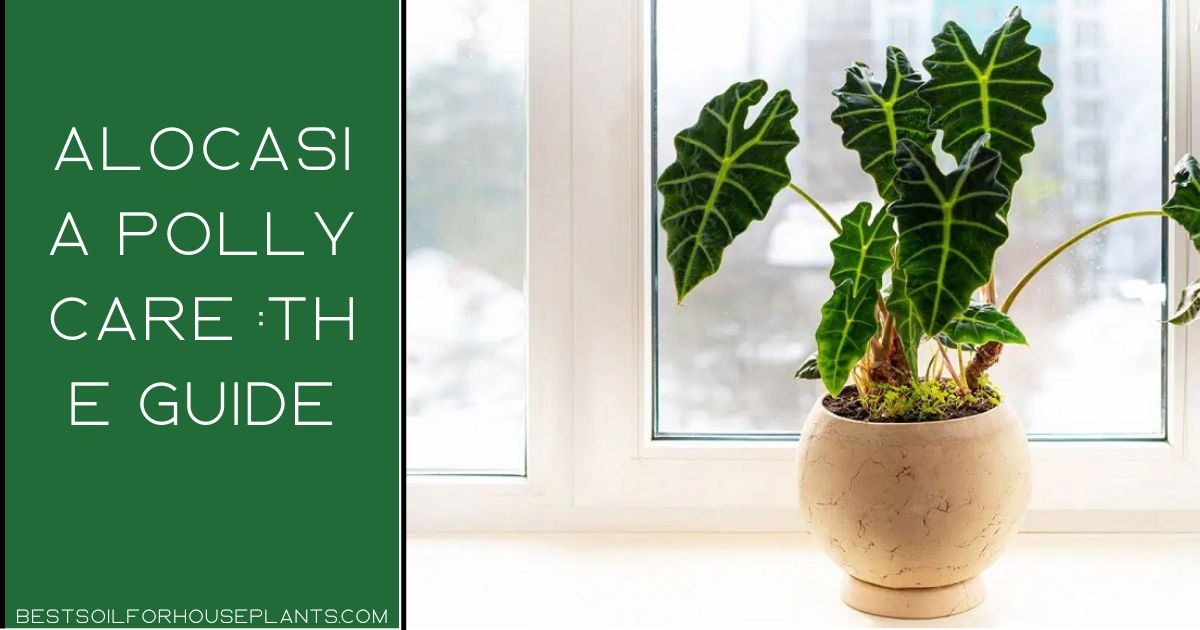
When I first brought home my Alocasia Polly, those dramatic arrow-shaped leaves with their shimmering dark green and silvery veins stole my heart instantly. But soon, frustration crept in—the leaves started curling and yellowing like the plant was silently begging for help. I was sure my watering was spot on, but the real culprit was hiding beneath the surface—in the soil and fertilizer choices. It’s crazy how easy it is to unknowingly smother these sensitive tropical beauties with well-meaning but wrong soil mixes or feeding routines. So here’s what I painfully learned, so your Polly can thrive without you staring at sad leaves wondering what went wrong. For a more detailed look at caring for this stunning plant, check out this comprehensive guide to Alocasia Polly plant care.

Soil Texture: The Game-Changer You Can’t Ignore
Everyone says “use well-draining soil,” but what does that actually look like for Alocasia Polly? My first stumble was using a generic peat-based potting mix straight from the store because it held moisture well. But guess what? It trapped water around the roots like a soggy sponge, suffocating them quietly. At first, the plant looked okay—but after two weeks? That sour, swampy smell coming from the pot was a red flag I ignored far too long.
The magic happened when I switched to a custom blend:
- 50% high-grade sphagnum peat moss (for moisture retention)
- 30% chunky perlite (for airflow and drainage)
- 20% medium orchid bark (for texture and natural drainage channels)
The orchid bark surprised me—it’s not just filler! Those chunky bits mimic the loose forest floor where Alocasias naturally grow. They help keep roots breathing without drying out completely. And honestly, no pre-made mix I tried matched this balance.
Why Orchid Bark Deserves More Love
Most guides barely mention orchid bark or treat it as optional fluff—but trust me, it’s a secret weapon. Those little bark chunks give roots places to latch onto instead of clumping up tightly in soggy soil.
Here’s a quick story: I once helped a small creative agency with a bunch of identical Alocasias struggling despite perfect watering. Switching their soil from plain perlite mix to one with orchid bark added made all the difference. Within six weeks, new leaves were popping out with strong stems and deep green colors. Plus, orchid bark slows moisture evaporation just enough so your watering doesn’t have to be perfect every single time.
Don’t Let Soil Compaction Sneak Up on You
After repotting your Polly, if things still look sad months later, dig in carefully (literally). Cheap potting mixes often break down fast into dense clumps that trap water and choke oxygen flow to roots. This slow suffocation is easy to miss until decline becomes obvious.
My fix has been repotting every 12–18 months with fresh mix—never skimp on that perlite and orchid bark ratio! And avoid garden soil or heavy commercial mixes loaded with clay or fine particles—they pack down too tight for these tropical root systems.
Fertilizer Fumbles: How Less Can Be So Much More
When I started fertilizing my Polly, I followed label instructions blindly—full strength every time during growing season. Almost immediately, leaf tips browned and curled inward like a distress signal. Oops!
Alocasias are sensitive divas who prefer diluted feeding. Here’s what worked for me:
- Use a balanced 20-20-20 NPK fertilizer (that means equal parts nitrogen, phosphorus, and potassium).
- Dilute it to half strength—this keeps salt buildup in check while feeding evenly.
- Feed only once every 4 weeks during spring and summer; skip fertilizing entirely in fall/winter when growth slows.
Here’s something that surprised me: if your new leaves look pale or growth feels sluggish, don’t rush into more fertilizer! Sometimes your plant needs better soil aeration or watering tweaks before any nutrient boost.
Organic vs Synthetic Fertilizers: What Really Works?
I spent months going back and forth between worm castings mixed into the soil and synthetic water-soluble feeds. Organic felt safer but slow—results took ages to show up. Synthetic gave quick green-ups but could burn leaf edges if not diluted carefully.

For most folks getting started with Alocasia Polly, synthetic water-soluble fertilizers offer precise control over nutrient levels—which is great when you want quick feedback on how your plant responds. That said, supplementing monthly with gentle organic feeds like fish emulsion adds valuable micronutrients slowly without shocking your plant.
A Real-Life Rescue Story
A friend named Sarah called me frantic—her once-beautiful Polly had crispy leaf edges despite her “perfect” watering routine. After digging into her setup, we found she was using an all-purpose potting mix that compacted fast plus random high-strength feeding.
We switched her to my soil blend recipe and set up a strict half-strength feeding schedule every month during growing season—and six weeks later? Her plant looked brand new: glossy leaves bursting out like it had never struggled at all.
“What did I do wrong before?” she asked me over coffee one afternoon. Sometimes even small changes make giant leaps in plant health.
Still Struggling? Here Are Some Quick Checks
Even after fixing soil and fertilizer:
- Double-check pot drainage holes aren’t blocked—standing water kills roots faster than anything else.
- Measure humidity—Alocasias hate dry air! Aim for 60–80%, or use a humidifier or pebble tray. For more on this, see understanding light and humidity needs of Alocasia Polly plants.
- Inspect leaves closely for spider mites—they cause damage that looks like nutrient problems but need different treatment. If pests are an issue, learn more about common pests and diseases affecting Alocasia Polly and how to treat them.
- Consider repotting early if roots look crowded or soil feels dense—even if it hasn’t been a full year yet.
Watch Your Plant Like a Hawk
Forget rigid schedules from generic guides—your Polly talks through its leaves constantly:
- Yellowing edges often mean too much water or fertilizer.
- Pale new growth might mean underfeeding or poor soil aeration.
- Curling tips can signal salt build-up from overfertilizing.
Learning to read these signs early saved me many times—and it will save you too.
Your Quick Action Plan (No Fluff):
- Mix your own potting medium:
- 50% sphagnum peat moss
- 30% chunky perlite
- 20% medium orchid bark
-
Repot every 12–18 months—or anytime soil smells sour/looks compacted.
-
Use balanced 20-20-20 water-soluble fertilizer at half strength only once every 4 weeks during active growing seasons; skip winter feeding.
-
Never use garden soil or heavy commercial mixes—they quietly strangle roots over time.
-
Keep humidity around 70% if possible; Alocasias hate dry air!
-
Inspect leaves weekly—early color changes are your best clues to intervene fast.
Growing Alocasia Polly isn’t always smooth sailing—I’ve had my fair share of dead ends and hair-pulling moments—but treating this tropical treasure like it deserves has made all the difference for me.
You’ll get there too—with patience, good soil, gentle feeding, and lots of observation.
Happy growing! Your Polly is counting on you.


