Top Aeonium Varieties and Their Unique Traits You’ll Love Growing
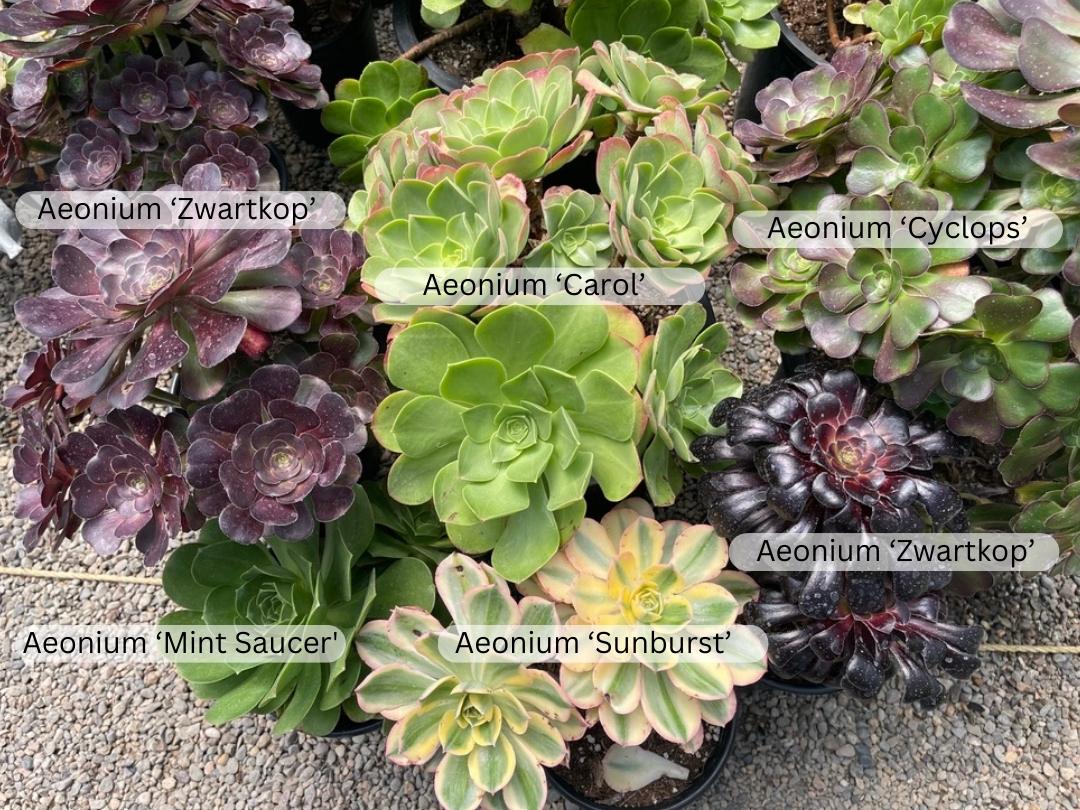
I still remember the awkward thrill of bringing home my very first Aeonium. Its rosettes looked like tiny green stars, perfectly sculpted and somehow frozen in time—so delicate, so hypnotic. Instantly hooked, I dove into all the typical advice: “Aeoniums are easy succulents, just like cacti.” Ha! That blanket statement almost buried me in frustration because I quickly learned they’re anything but all the same. For a deeper dive into their unique needs, check out this comprehensive guide to Aeonium plant care and growth.
Turns out, every Aeonium has its own quirky personality—and its own very particular needs. They don’t just want “light, water, and soil.” Nope. They want the right kind of light, water, and soil tailored to their unique makeup. Here’s what I uncovered after many missteps (and a few near-plant-deaths) that might save you some headaches.
Why Treating All Aeoniums as One Is a Fast Track to Disaster
I made the rookie mistake of thinking my dark-leaved ‘Zwartkop’ and my chunky Aeonium arboreum could share the same care routine. Spoiler alert: they couldn’t. Under identical watering and light conditions, my ‘Zwartkop’ lost its dramatic purple-black glow and faded into a sad green blob. Meanwhile, the arboreum thrived like a little succulent tree.
That taught me a vital lesson: Aeoniums look different and behave differently. They have distinct preferences that can sometimes feel totally contradictory.
The Three Aeoniums That Schooled Me on Paying Attention
Aeonium arboreum — The Miniature Tree That Demands Space and Patience
Think of this one as your little bonsai cousin with succulent leaves. It can grow up to 3 feet tall with branching arms topped by glossy rosettes that shimmer green with subtle red tips in good light.
Here’s where I stumbled: placing it on a south-facing windowsill where afternoon sun blasted it—leaves got crispy edges fast. Now I keep mine near an east window where it basks in gentle morning rays that coax those lovely red highlights without burning tender leaves.
- Growth habit: Upright tree-like branching
- Color: Glossy green with reddish edges in bright indirect light
- Water: Every 10–14 days during spring and fall; much less in winter dormancy
- Soil: Must be a well-draining cactus or succulent mix
Pro tip: Overwatering is its #1 enemy because its thick stems store water like camels do—too much moisture invites rot at the base. For more on choosing the right soil and nutrients, see best soil and fertilizer for healthy Aeonium growth.
Aeonium ‘Zwartkop’ — The Drama Queen Obsessed with Sunlight
Want something that stops people mid-scroll on Instagram? This is your plant—a moody beauty with deep purple almost-black rosettes perched on slender stems that scream gothic elegance.
But here’s the catch—it needs full sun to keep that pigment rich and dark. I once watched a gardening friend’s ‘Zwartkop’ fade into dull green over a gray rainy winter—and it was heartbreaking to see.
- Growth habit: Compact rosettes on thin stems
- Color: Intense purple-black in full sun; fades quickly to green if shaded
- Water: Very sparing; only when soil is completely dry
- Soil: Gritty, sandy for fast drainage
If you want those dramatic colors, don’t skimp on sunlight—even if you live somewhere cloudy or humid.
Aeonium haworthii — The Fuzzy Little One That Teaches Patience
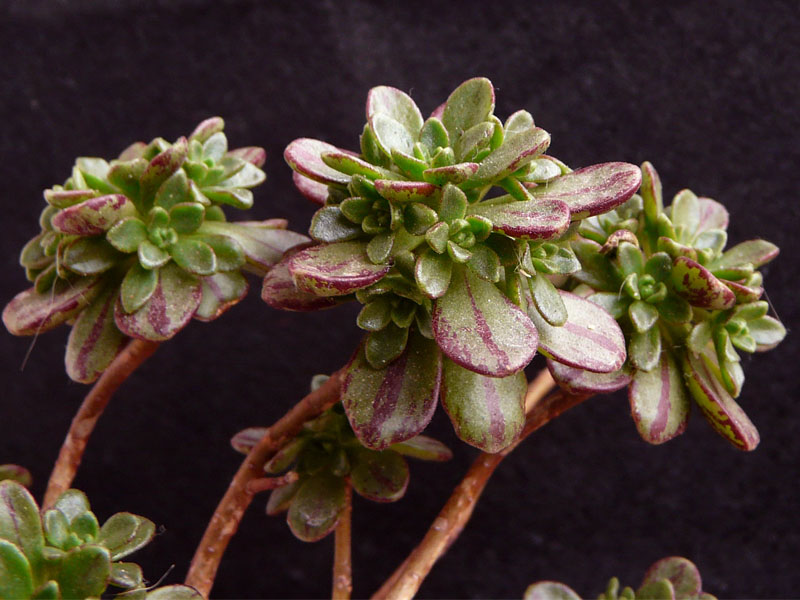
This one caught me off guard early on. Covered in fine hairs that make it look soft and fluffy, it’s actually quite sensitive to overwatering. When I treated mine like my other tougher succulents (regular watering!), root rot came knocking within weeks.
Those tiny hairs trap moisture longer than you’d expect—both around the leaves and soil surface—so you really have to back off water here more than usual.
- Growth habit: Small fuzzy rosette clusters about 6–12 inches tall
- Color: Light green with pinkish-red tips under bright indirect light
- Water: Very sparing; only when soil feels bone-dry at least 1 inch below surface
- Light: Bright indirect only; avoid harsh midday sun
If you’re impatient like me sometimes, this guy will teach you slow-and-steady wins the race.
Why Their Care Needs Feel So Different: A Little Evolution Lesson
Reading generic care guides (“water regularly” or “full sun for color”) felt logical until my plants started complaining with yellow leaves or burnt spots. For a more detailed explanation of their care requirements, see this complete overview of Aeonium plant care and growth.
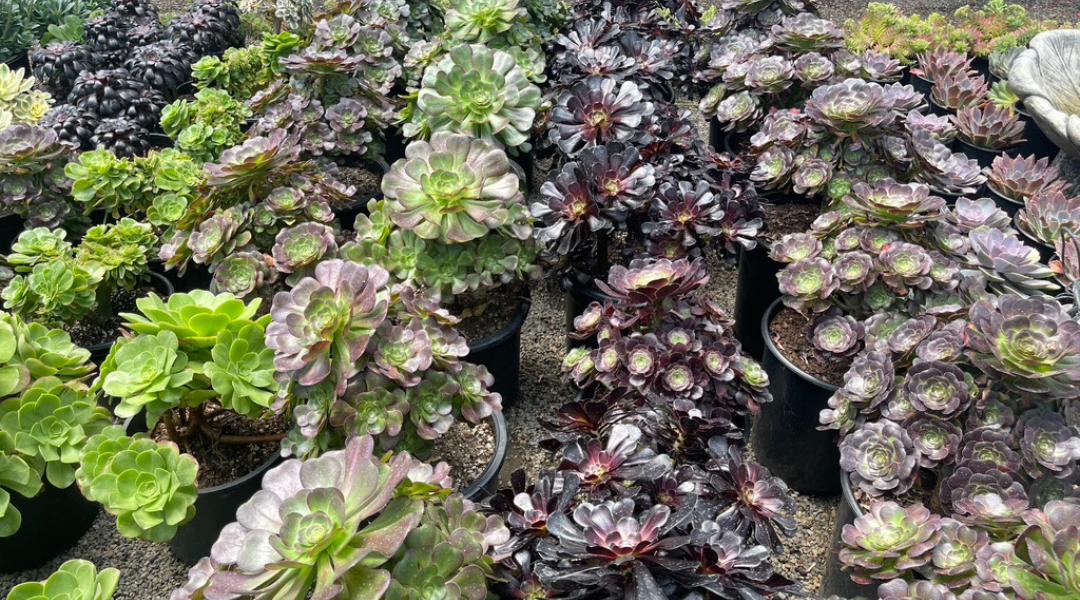
Here’s what helped me understand their quirks:
- Aeonium arboreum evolved thick stems designed for water storage—so it hates soggy soil.
- ‘Zwartkop’ relies on intense sunlight to produce rich pigments; without bright sun, it sacrifices color as a survival tactic.
- haworthii’s fuzz traps humidity in foggy native habitats but makes it vulnerable to rot if overwatered at home.
Knowing these origins helped me stop blindly following rules—and instead tailor each plant’s care from pot choice to watering schedule based on who they really are inside.
Mixing Different Varieties Together? Think Twice Before Crowding Them
I once shoved several types into one big pot believing they’d get along because they all “tolerate similar conditions.” Disaster ensued:
- The tall arboreum shaded out the smaller ‘Zwartkop,’ killing its color.
- Conflicting watering needs meant either drowning some plants or leaving others thirsty.
Now I group by both light tolerance and watering habits:
- Shade-loving haworthii gets prime spots near east or north windows.
- Sun-hungry ‘Zwartkop’ basks solo under southern rays without competition.
Trust me—grouping smartly saves headaches and keeps everyone happier longer.
Hot & Humid Climates? When Common Advice Crashes Hard
My sister lives in Florida and wrestled for years trying to keep her Aeoniums healthy outside through blazing summers and sticky humidity using typical succulent advice (“lots of sun, little water”).
Her plants kept dropping leaves or developing fungal spots until she switched strategies:
- Moved her arboreum outdoors but into dappled shade beneath taller trees.
- Brought haworthii indoors near well-aerated windows away from muggy air pockets.
Aeoniums aren’t desert cacti—they’re Mediterranean natives used to dry summers but cool winters. In humid places, shading + airflow trump strong direct sunlight any day of the week. For tips on managing issues in such environments, see common pests and diseases affecting Aeonium plants.
Hidden Gems You Might Not Have Met Yet (But Should)
Once you’ve tamed the classics, these beauties add fresh flair:
- Aeonium canariense — Big rosettes edged in burgundy; grows 2–3 feet tall like a shrub
- Aeonium decorum — Silvery-green rosettes tough enough to shrug off drought stress
- Aeonium ‘Kiwi’ — Variegated leaves edged with pink that glow brighter depending on sunlight intensity
Last year I snagged an ‘Kiwi’ from my local nursery—it instantly became my collection star thanks to those shifting pink highlights dancing throughout the day. Seriously mesmerizing!
How To Start Your Aeonium Journey in 3 Simple Steps
-
Pick one or two varieties suited for your space and climate (e.g., arboreum if you have bright east light; haworthii if mostly indirect). Don’t try them all at once—you’ll overwhelm yourself (trust me).
-
Get well-draining soil (I swear by Black Gold Cactus Mix) and pots with drainage holes—no exceptions here!
-
Watch closely for how each plant reacts over several weeks—if leaves redden, droop, or shrivel slightly, adjust light or water accordingly rather than sticking rigidly to schedules.
Bonus tip: Keep a small notebook or phone photo diary tracking changes—that way you learn their language faster than guessing blindly.
Final Thoughts From Someone Who’s Been There
Aeoniums are way more than pretty rosettes—they’re personalities written in color shifts, leaf textures, growth habits... each one tells a story if you listen closely enough. And yes—it can be messy learning their quirks at first! There were times I thought about giving up after losing a handful of plants due to mix-ups or ignoring subtle warning signs.
But here’s what made all the difference: slowing down enough to really watch how each plant responded day-to-day—not rushing through generalized guides—and adjusting care intuitively from there.
So if you’re ready for an Aeonium adventure: start small; pick varieties matching your environment; use great soil; watch patiently—and let them teach you what no book ever could.
What’s your first Aeonium going to be? Any stories—or mishaps—you want to swap? I’d love to hear about your plant journey!
Happy cultivating! 🌵✨


