Troubleshooting Yellow Leaves and Wilting in African Violets Fast

When my African violet first started showing yellow leaves and that telltale wilted slump, I was totally stumped. I wasn’t neglecting it—I watered on schedule, followed the basics—but day by day, it looked worse. After nearly six months of trial and error (and a bit of stubbornness), I finally understood: yellow leaves and wilting aren’t just about watering too much or too little. They’re signs of a hidden struggle under the soil that most beginners miss. For a comprehensive guide to African violet plant care, including watering and soil tips, check out the main article.
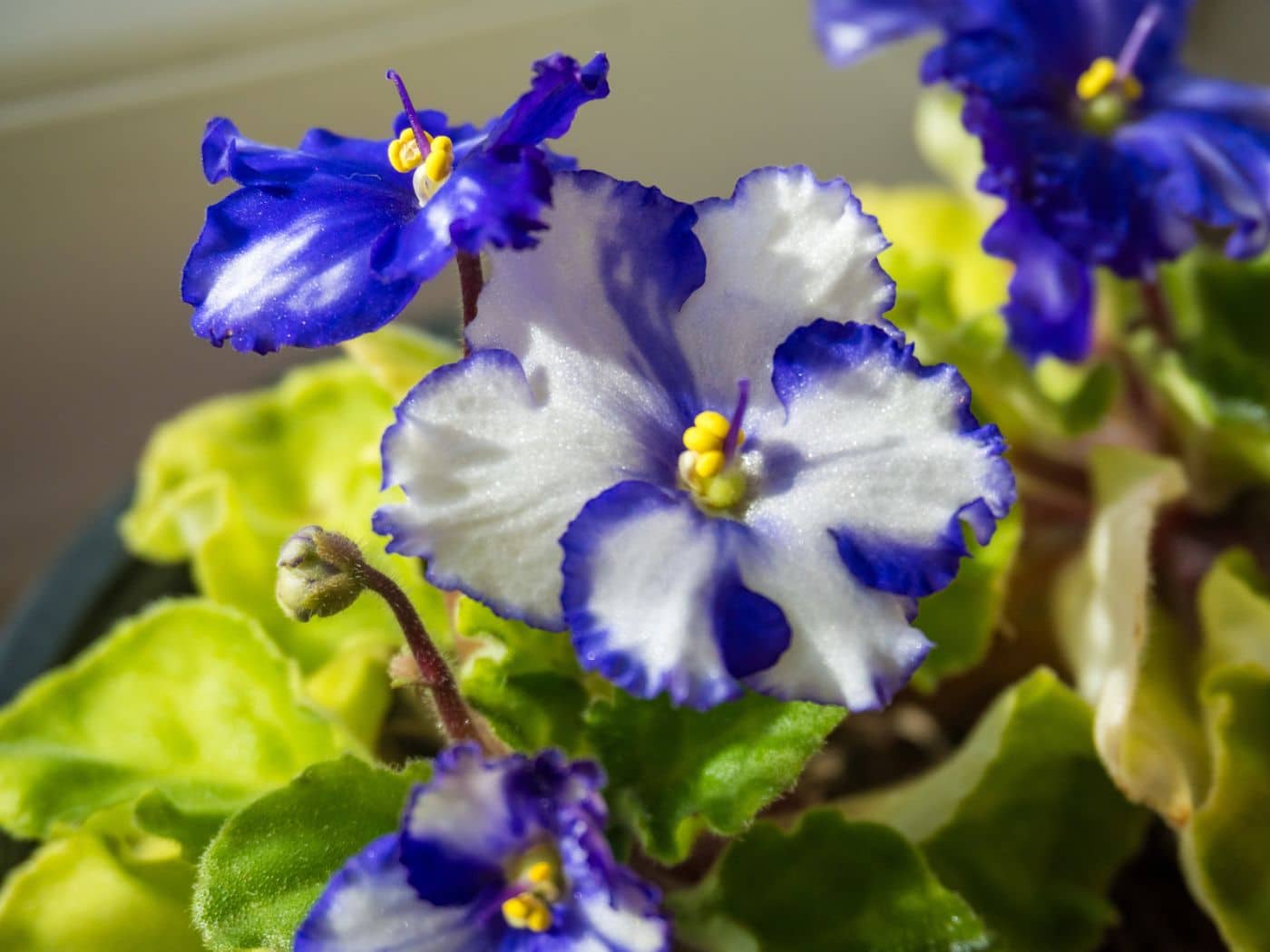
Here’s what years of rescuing these sensitive plants have taught me—stuff you won’t find in every care guide.
Yellow Leaves and Wilting: It’s Usually Not What You Think
You might assume yellow leaves mean your violet is thirsty or hungry. Nope. Almost every time I’ve seen this happen, the real culprit was root suffocation—not dehydration. African violet roots are tiny air lovers; they need soil that drains well and lets air in. When water hangs around too long, those roots basically drown and start rotting. Then the plant can’t take up nutrients properly, so leaves turn yellow and droop.
I learned this the hard way—watering because the top felt dry while ignoring the soggy bottom inch. That swampy soil was a perfect breeding ground for root rot fungi slowly killing my violet’s roots. For more on pests and diseases that can affect your plant’s health, see common pests and diseases affecting African violet plants.
If you want a complete overview of African violet plant care, including soil mixes and pot recommendations, it’s all covered in detail there.
Step 1: Get Your Hands Dirty—Check Below the Surface
Don’t just touch the soil surface; stick your finger at least an inch down near the stem:
- If it feels wet or smells musty (like a damp basement), stop watering immediately.
- If it’s dry underneath but moist on top, wait before watering again.
Quick tip: I keep a small moisture meter (like the XLUX T10) handy during humid seasons when soil can look dry on top but be soaked underneath—it saved me from overwatering more than once.
Step 2: Pots Matter More Than You Think
My first African violet lived in a fancy ceramic pot without drainage holes—a rookie mistake! Water pooled at the bottom, suffocating roots. Switching to a snug 4-inch plastic pot with three drainage holes plus an African violet-specific soil mix brought my plant back to life within three weeks.
Try this: Add a thin layer of horticultural perlite at the bottom before potting to improve drainage. Avoid oversized pots—they hold too much moisture and slow drying.
Step 3: Bottom Watering—Not Just Fancy Advice
Watering from above seems natural, but it often leads to leaf spots and crown rot. Instead, place your potted violet in a shallow tray with lukewarm water (around 70°F). Let it soak up water through the drainage holes for about 15–20 minutes, then dump any leftover water right away.
I once used cold tap water during winter—bad move! My violet developed leaf spots and wilted quickly afterward. Switching to lukewarm water and bottom watering stopped damage fast and sped recovery.
Step 4: Light Is a Silent Player
African violets crave bright indirect light. Too little light? Leaves turn pale yellow and growth slows; too much direct sun? Leaves scorch with ugly yellow patches.
One winter, mine sulked under fluorescent lights despite perfect watering—and kept yellowing. Moving it near an east-facing window with filtered morning sun sparked new growth within three weeks.
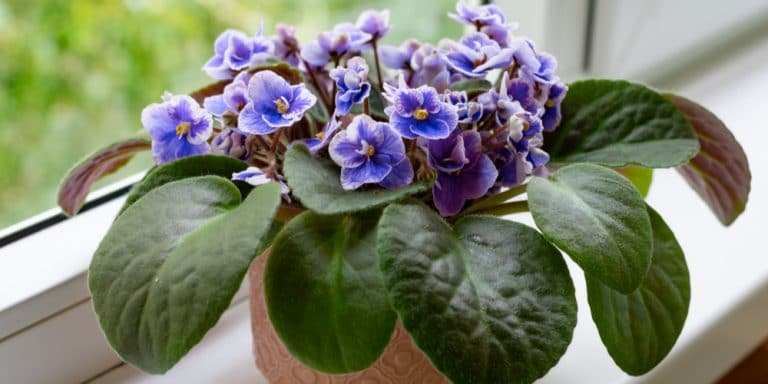
If natural light isn’t an option, try full-spectrum LED grow lights about 12 inches above your plant for roughly 12 hours daily. I’ve fine-tuned this setup over years—it keeps violets thriving indoors year-round. For tips on providing the right environment, see lighting requirements for healthy African violet plants.
Step 5: Prune Yellow Leaves Like You Mean It
Yellow leaves don’t bounce back; they drain energy from healthy parts. Snip them cleanly at the base with sterilized scissors to help your violet focus on fresh growth.
I hesitated once, hoping old leaves would recover—big mistake! The moment I pruned them off, my plant perked up faster because it wasn’t wasting resources on dying tissue.
Real Talk: Recovery Takes Time (And Patience)
After repotting a stressed violet, I once tried boosting growth with extra fertilizer—disaster! The damaged roots couldn’t handle those salts; yellowing worsened.
Lesson learned: hold off fertilizing until you see new healthy growth—usually 3–4 weeks after treatment. Yes, patience is tough here, but it pays off big time.
Troubleshooting Sticky Situations
-
Soil stays wet forever: Living somewhere cool or humid? Soil drying slows way down (Seattle winters got me here). Use airy African violet mixes rich in perlite or vermiculite, increase airflow around your plant with a small fan on low (trust me—it works wonders), and repot yearly to prevent compacted soil trapping moisture.
-
Yellowing keeps going despite fixes: Gently pull your plant out of its pot to check roots. Healthy ones are white or cream-colored; dark brown or black means rot. Trim rotten bits with sterilized scissors, repot in fresh soil, then hold off watering about a week so roots can heal gradually.
The One Secret I Wish Someone Told Me Sooner
Don’t fall into “more water or fertilizer will fix it” traps. The real game-changer is respecting your violet’s delicate root environment—a combo of good drainage, careful watering technique, and giving recovery time beats quick fixes every time.
When you spot yellow leaves or wilting again (and you probably will if you’re like me), take a deep breath and troubleshoot step-by-step instead of panicking. Your violet is tougher than it looks; it just needs you to listen closely rather than rush fixes.
Quick Checklist to Help Your Violet Bounce Back
- Check soil moisture at least an inch deep.
- Confirm your pot has multiple drainage holes.
- Use bottom watering with lukewarm water.
- Place plant in bright but indirect light.
- Snip off yellow leaves cleanly.
- Wait 3–4 weeks before fertilizing after stress.
- Improve airflow if humidity is high.
- Inspect roots if problems persist.
If you want to share photos or details later, I’m happy to troubleshoot alongside you! After saving countless African violets from the brink over the years, I promise—the journey’s worth it when those lush green leaves come back full throttle.
Your violet isn’t just another houseplant—it’s teaching you patience and precision every step of the way. And when it thrives again? That feeling is unbeatable. Hang in there—you’ve got this!


