Using Abelia Plants in Landscape Design: Simple Tips That Work
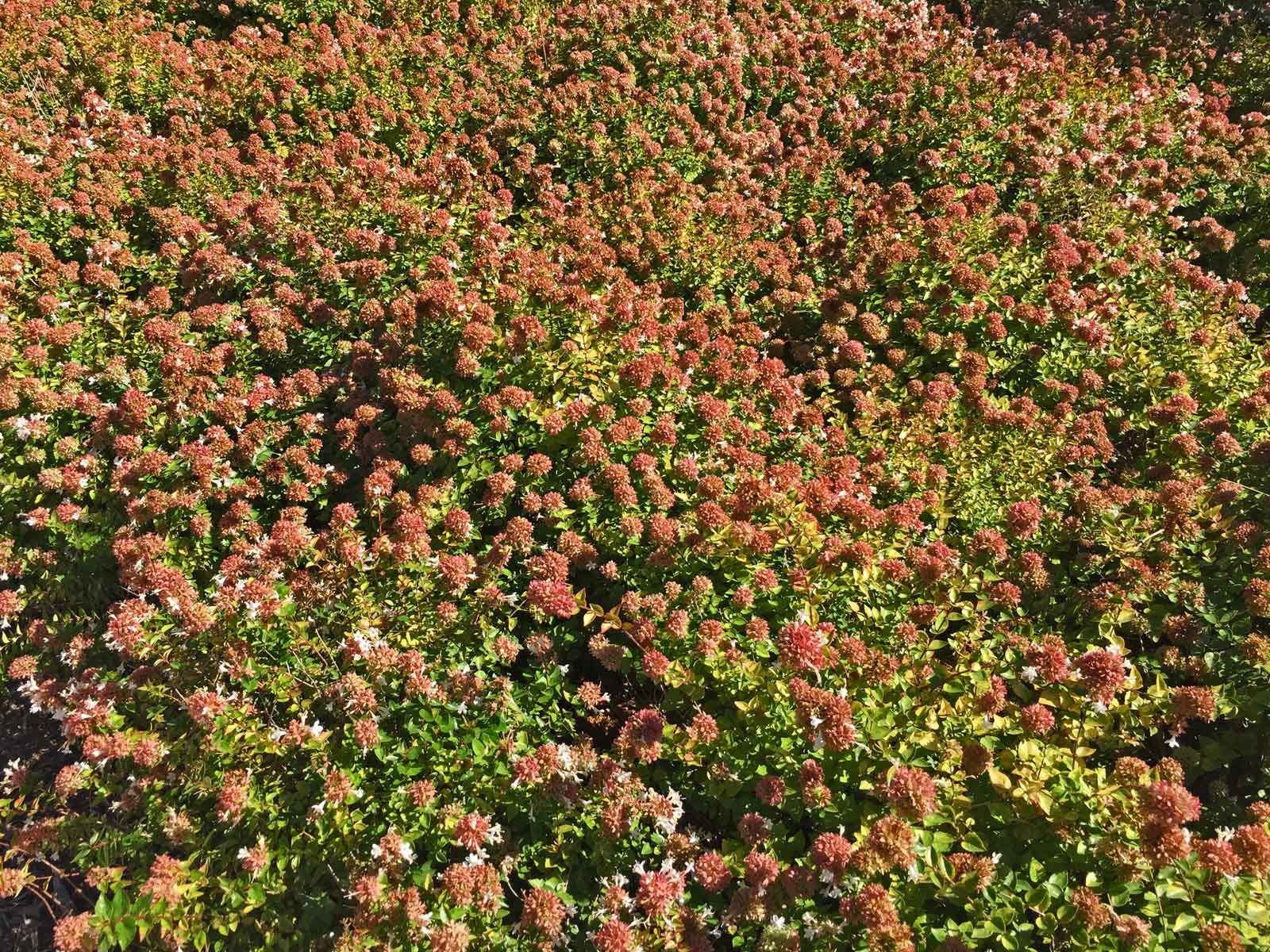
When I first introduced Abelia into a client’s garden, I thought I’d found the perfect low-maintenance, year-round green hedge. The glossy leaves and delicate, fragrant flowers seemed like a no-brainer. But here’s the thing nobody warns you about: Abelia isn’t a “plant it and forget it” kind of shrub. Ignore the little details—especially pruning and placement—and you’re inviting a wild mess of leggy stems and overgrowth that’ll make you question your choice fast. For a more detailed understanding, check out our comprehensive guide to Abelia plant growth and care.

The Easy Abelia Myth — What Most Guides Miss
You’ve probably read that Abelias want well-drained soil, sun or partial shade, and a light prune after flowering. Seems simple enough, right? But here’s where most advice falls short: when and how often you prune—and exactly where you put those plants—make all the difference between a neat hedge and an unruly thicket.
I learned this the hard way with ‘Edward Goucher’. We planted them too close without a solid pruning plan, and six months later? A tangled jungle that needed hours of hacking back just to restore shape. Honestly, it felt more like wrestling than gardening.
Why “Plant and Walk Away” Doesn’t Work
Abelia reveals its true colors slowly. If you don’t work with it regularly, it will take over or fade out quietly. Those shiny leaves? They can turn dull if shaded by other plants or starved because the soil wasn’t prepared right.
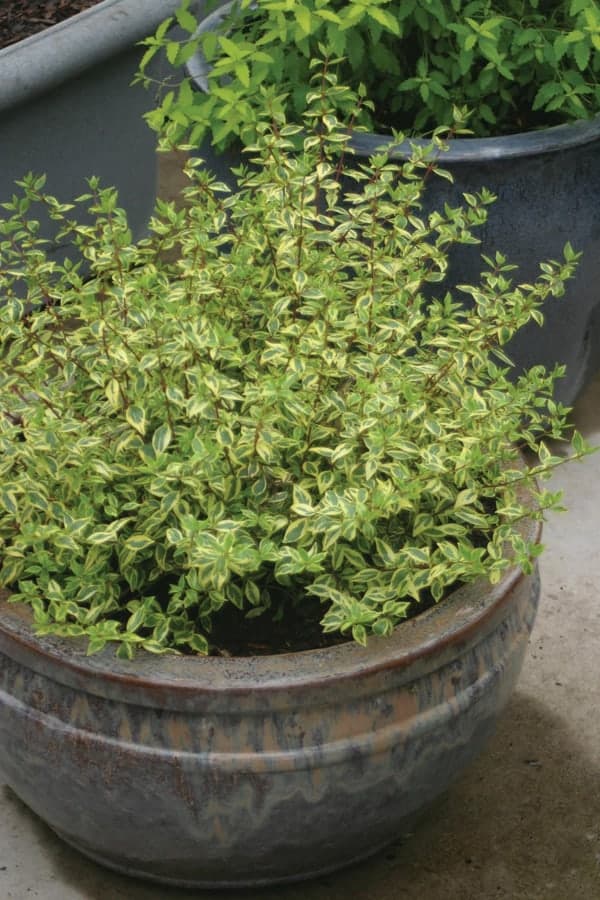
A garden in Atlanta taught me this lesson painfully. We put in ‘Kaleidoscope’ Abelias along a driveway border on heavy clay soil. I admit—I skipped proper soil amendments thinking they'd adapt. By summer’s end, growth stalled and yellowing leaves showed stress clearly. Only after mixing in compost and improving drainage did they bounce back with bright variegation and plentiful blooms.
Pruning: The Counterintuitive Truth
Everyone says “prune lightly after flowering,” but rarely do they say how often. Waiting until fall or winter? You’re cutting off next season’s flower buds. Skipping pruning altogether? You get those dreaded leggy stems that leave bare patches at the base.
Here’s my rule after ruining several hedges by procrastinating: light pruning every six weeks starting right after bloom until late summer keeps growth tight and encourages dense layering of fresh shoots—the secret behind those fragrant trumpet-like flowers year after year.
If you’re unsure how to prune lightly: think of it as trimming just the tips of new growth—snip off about 1 to 2 inches where branches look too long or scraggly. No need for drastic cuts; gentle shaping is better than letting things go wild. For detailed techniques, see our guide on pruning and shaping your Abelia for best growth.
Spacing Matters More Than You Think
You might assume spacing is just a number, but it really shapes your hedge’s personality. Too close? The plants smother each other, needing constant trims to avoid chaos. Too far apart? You get lonely islands rather than a lush screen.
For most Abelias, 3 to 4 feet apart hits the sweet spot.
At a small office courtyard I worked on last spring, we planted ‘Kaleidoscope’ exactly 3 feet apart—and got a thick yet breathable hedge that didn’t suffocate itself or demand daily attention. Closer spacing means more maintenance; wider spacing means gaps form fast.
Don’t Let Abelia Stand Alone — Partner It Up
One favorite project was at a public park in Texas where we paired ‘Edward Goucher’ with purple coneflowers (Echinacea) and black-eyed Susans (Rudbeckia). This combo wasn’t just pretty—it became a summer-long magnet for pollinators.
Why does this work? The contrast between Abelia’s arching branches and upright wildflowers makes both stand out more than if planted solo. Plus, companion plants help moderate soil moisture and provide root shade—something Abelias appreciate but rarely get credit for in care guides.
Winter Damage Isn’t Talked About Enough
Abelias are rated for USDA zones 6–9, which can give false confidence about their cold hardiness. Plant near cold-exposed edges, though, and winter kill sneaks up on you fast.
In Denver one winter, my client’s Abelias suffered dieback despite being “zone-appropriate.” Our fix? Next season we placed them close to a south-facing stone wall to reflect heat back onto the plants and layered deep mulch around roots for insulation through winter. These microclimate tweaks aren’t glamorous but can be life or death come spring.
What I Wish Someone Told Me First
If you’re tempted to let your Abelias run wild because “they’re tough,” stop yourself right there. Think of them more like an old friend who needs regular check-ins—not fussing over every leaf, but consistent attention nonetheless.
The biggest mistake I see (and made myself) is treating pruning as optional seasonal cleanup instead of part of your routine calendar tied to blooming cycles. Get pruning on your schedule—it defines whether your landscape looks cared-for or abandoned.
Quick Start Guide — Avoid My Early Mistakes
- Test your soil first: Clay or compacted soils need at least 25% organic compost mixed into planting holes.
- Space plants 3–4 feet apart: Enough room for fullness without overcrowding.
- Set calendar reminders: Light trim every 6 weeks from right after bloom through late summer.
- Add companions: Grasses like Pennisetum or pollinator-friendly perennials stabilize moisture and add interest.
- Prepare for winter: Mulch deeply; use natural heat-reflective barriers if near zone edges (zone 6 or colder).
Common Mistakes Checklist
- Planting too close or too far apart
- Skipping regular pruning or waiting too long
- Ignoring soil quality—especially clay or heavy soils
- Overlooking companion planting benefits
- Underestimating winter injury risk
Signs You’re On Track
- Glossy leaves stay vibrant throughout growing season
- Compact growth with no bare lower stems
- Consistent flowering each year without gaps
- No sudden yellowing or stunted growth after summer heat
- Hedge feels full but breathable—not suffocating itself
Looking back over many seasons—from scraggly attempts to thriving hedges—I realize success isn’t about choosing some miracle plant but learning to listen closely to what Abelia needs before it quietly fades into forgettable greenery.
Treat your Abelia well—with patience and respect—and it won’t just be another shrub; it’ll become the quiet backbone of your garden that people might not call out by name but won’t stop noticing either.
Gardening is never perfect—expect some trial and error—but with these insights in hand, your next Abelia planting will be far less frustrating and far more rewarding. Give it time (about two seasons) and keep showing up for those light trims—you’ll be surprised how much difference steady care makes.
And hey—if I can wrestle an unruly ‘Edward Goucher’ into shape after nearly losing my mind on my first try, so can you! For more detailed tips, see the complete overview of Abelia plant growth and care.


