Using Abutilon Plants to Enhance Your Garden Design and Landscape
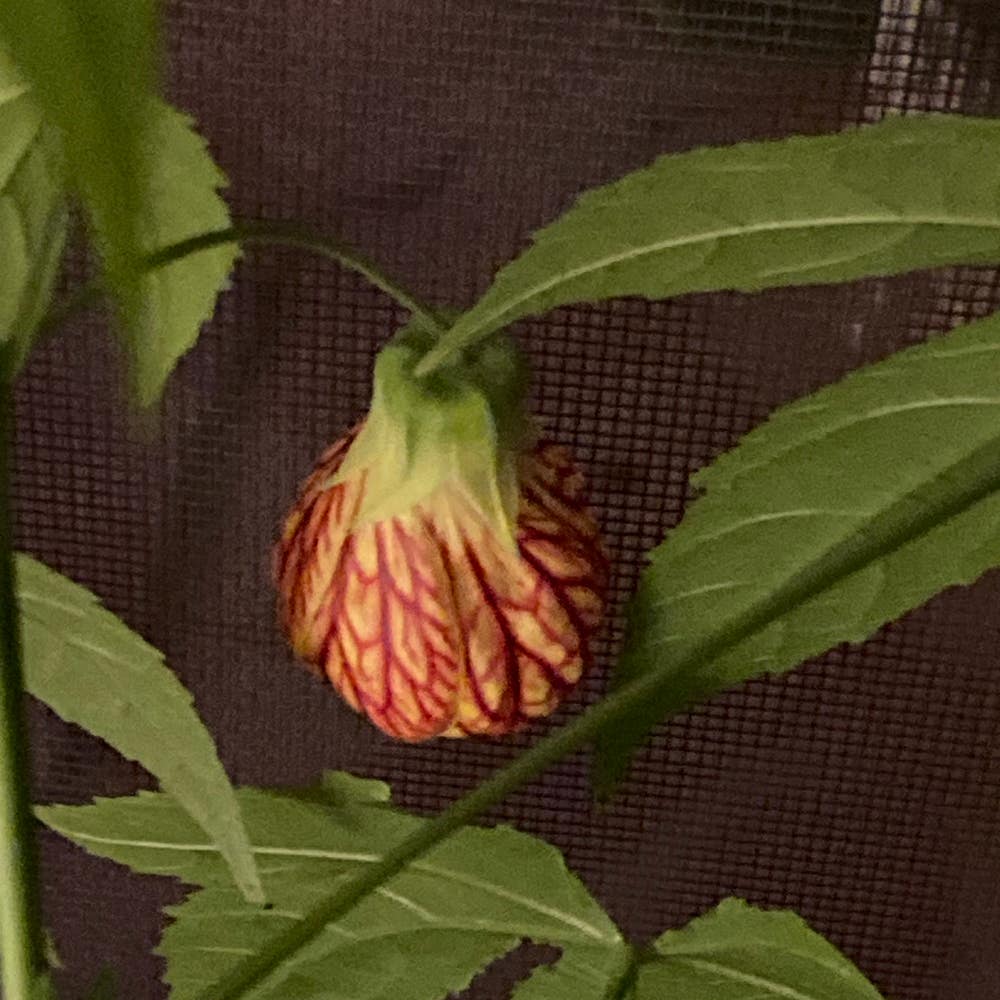
When I first brought an Abutilon into my garden—a scrappy little plant with bell-shaped blooms that looked promising—I made a classic rookie mistake: I shoved it into a spot baking under the full afternoon sun every day. For over a week, I watched those bright flowers fade, stems stretch awkwardly like they were gasping for mercy, and wondered why this supposedly hardy plant sulked. It wasn’t until I moved it to a spot with morning sun and dappled afternoon shade that the magic happened—compact growth, vibrant flowers, and hummingbirds dropping by like clockwork. If you want a deeper dive into the care and secrets of this plant, check out this comprehensive guide to Abutilon plant growth.

That hands-on lesson stuck with me because most “expert” advice only scratches the surface. They’ll say “full sun or partial shade,” but what they don’t tell you is how crucial when and how intense that sun exposure is for Abutilon. The difference between leggy disappointment and a thriving shrub can be just a few hours of brutal heat avoided.
Here’s my straightforward, no-fluff approach to getting Abutilon working in your garden—based on real trial, error, and success—not just theory. For a complete overview of Abutilon care and growth tips, you might want to explore this complete overview of Abutilon plant secrets.
Know What You’re Dealing With: Abutilon’s Personality
Abutilons go by many names—flowering maples or Chinese lanterns—and can grow anywhere from 3 to 10 feet tall depending on variety and pruning style. Their hibiscus-like flowers come in soft yellows, creamy whites, fiery reds, and even orange hues, blooming from late spring through fall.
But here’s the catch: while adaptable, they don’t thrive in extremes.
I learned this the hard way growing Abutilon megapotamicum in my backyard one early spring. The soil was decent but heavy clay. For six weeks I kept the soil evenly moist and added homemade compost (a mix of kitchen scraps and shredded leaves). The leaves perked up only after I improved drainage by mixing in coarse sand. That slow fix made all the difference between droopy leaves and bright green vibrancy.
If your soil holds water too long (think soggy roots), don’t force it—build raised beds or plant on mounds to keep roots happy. For more on keeping your Abutilon healthy, see common pests and diseases affecting Abutilon plants and how to treat them.
Give It a Purpose Beyond Just “Pretty Plant”
Abutilons aren’t just pretty faces; they can serve distinct roles in your garden:
- Color magnets: One plant near your patio or entrance instantly grabs attention with its lantern-like flowers.
- Natural screens: Plant three or four about 4 feet apart along a fence line for a soft privacy screen. I used this trick in a cramped urban yard where neighbors loved the gentle barrier without feeling boxed in.
- Pollinator hubs: Pop Abutilons near seating areas; hummingbirds and bees will show up for front-row action during your morning coffee.
The key? Decide what you want from your Abutilon before planting. Don’t just scatter them randomly hoping they’ll “fill space.” Intentional placement makes care easier and results more rewarding.
The “Right Spot” Is More Specific Than You Think
Testing soil drainage is simple but often skipped—and it can save you heartache. Dig a foot-deep hole, fill it with water, then check if it drains within two hours. If not, amend soil or pick another spot.
Sunlight matters too—but not just how many hours. In my experience, morning sun followed by afternoon shade is the sweet spot because intense afternoon heat can scorch leaves and stop flowering altogether. One scorching July afternoon had my Abutilon’s leaves curling up like brittle paper; moving it under the edge of a nearby tree brought them back to life overnight.
Plant at the same depth as nursery pots to avoid stem rot. Space plants 3-5 feet apart if you want a screen; 6-8 feet if you want individual show-stoppers that don’t crowd each other.
For tips on managing light and placement indoors, see how to grow and care for Abutilon plants indoors.
Pruning Is Your Secret Sauce
At first, I ignored pruning because my plant looked fine—but then it got leggy with fewer flowers. Abutilons bloom on new growth, so trimming regularly isn’t optional—it’s essential.
What worked for me:
- Light pruning every 4-6 weeks during growing season encourages bushiness.
- After peak bloom (usually late fall), cut back about one-third of the height hard to renew vigor.
- Always remove dead or crossing branches to keep airflow healthy.
This routine took my garden from sparse blooms to continuous color by late summer. Plus, pruning feels oddly satisfying—like giving your plants a haircut that makes them look sharper and happier.
Watering: Consistency Over Quantity
Abutilons want steady moisture but hate soggy roots—a tricky balance. Once while away for three days, an irrigation timer glitched; watering flooded the base, triggered root rot nearly killing my plant.
Lesson learned: double-check timers! Mulch around—but not touching—the stems helps retain moisture without inviting rot.
Monthly feeding with an organic liquid fertilizer like fish emulsion kept blooms abundant without pushing excessive leafy growth at flower expense.
Partner Plants Make Life Easier
Pairing Abutilon with companions sharing similar light and water needs simplifies maintenance:
- Shade-tolerant groundcovers like hostas soften the base visually.
- Ornamental grasses such as purple fountain grass add texture without stealing light.
- Early bloomers or evergreens nearby keep your garden lively year-round when Abutilon rests.
I suggested lavender and salvia alongside Abutilons for one client’s suburban garden—the result? A buzzing bee hotspot well into fall that looked great too—a win-win for aesthetics and ecology.
When Things Go Sideways
If your Abutilon looks unhappy:
- Yellow leaves? Check drainage; reduce watering.
- Sparse flowers? Try more regular pruning; check if there’s too much direct afternoon sun.
- Pests like aphids? Healthy plants fend off bugs better; insecticidal soap used sparingly usually does the trick without harming beneficial insects.
Remember microclimates matter hugely—walls reflecting heat or windy corridors can stress plants unexpectedly—even when you think you’re doing everything right! For detailed advice on managing issues, see common pests and diseases affecting Abutilon plants and how to treat them.
Start Small, Learn Fast
Don’t commit your whole landscape at once. Plant one or two Abutilons as experiments first. Watch how they respond through seasons—note bloom timing, pest issues, moisture levels—and adjust before scaling up.
In my own patch, starting small helped me build confidence instead of frustration. Each successful bloom felt like unlocking a new level of gardening mastery—and soon enough I had an entire hedge flourishing where earlier attempts failed spectacularly.
A Few Favorite Varieties Worth Trying
Depending on your climate and design goals:
- Abutilon megapotamicum — trailing habit with delicate red-orange flowers; great for containers or small spaces.
- Abutilon x hybridum (Flowering Maple) — bushy with large hibiscus-like flowers in yellow/red shades; perfect for screens.
- Abutilon pictum ‘Thompsonii’ — striking veined leaves paired with pale yellow blossoms; adds exotic flair.
These varieties cover different heights and flower colors so you can pick one tailored to your space (and patience level). For more on selecting the right type, check out popular varieties of Abutilon and their unique features.
Quick Checklist Before You Plant Your Abutilon
- Location: Morning sun + afternoon shade = happy plant
- Soil: Well-drained (test drainage), amend heavy clay if needed
- Spacing: 3–5 ft apart for screens; 6–8 ft apart for specimen plants
- Water: Keep soil evenly moist but never soggy—mulch helps
- Prune: Light trim every 4–6 weeks during growing season + hard cutback after peak bloom
- Feed: Monthly organic liquid fertilizer during active growth
- Watch: Adjust care based on leaf color & flowering patterns
- Companions: Pair with shade-tolerant groundcovers & pollinator-friendly perennials
What I’d Tell a Friend Trying This for the First Time
Forget complicated care sheets drowning you in options! Focus on these essentials:
- Morning sun + afternoon shade = happy Abutilon
- Well-drained soil + consistent moisture = lush foliage
- Regular pruning = nonstop flowers
- Pay close attention early on—droopy leaves are screaming for change
Treat it like getting to know a new friend rather than managing a diva—and these plants will reward you tenfold with color, pollinators, and personality in your garden.
In short: Abutilons thrive when you get simple basics right—not when you try to over-engineer their care regimen. My best advice comes from digging dirt myself rather than memorizing generic rules that never quite fit reality.
Try this grounded approach—you might find this overlooked gem becomes your garden’s brightest highlight sooner than you'd expect (and maybe even steals some neighborhood admiration along the way).


